

 SkillClick
What Causes Hard Water Stains on Glass and How Can They Be Prevented?
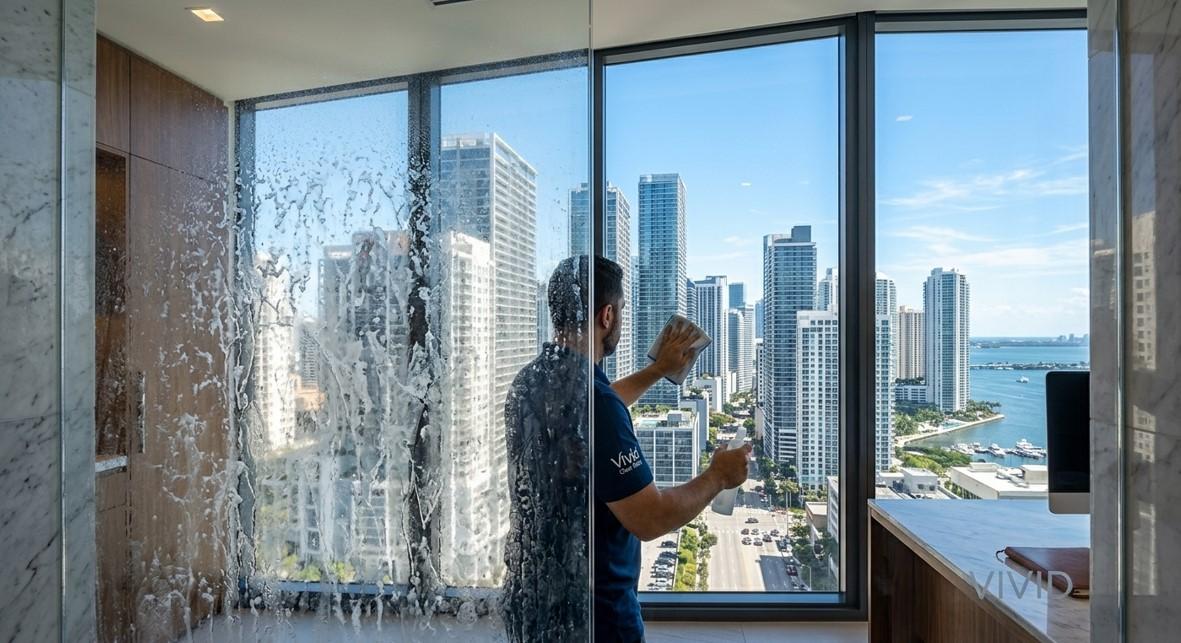
Glass surfaces are exposed to water in many residential and commercial environments. Shower doors, bathroom windows, exterior panels, mirrors, and glass partitions frequently come into contact with water during everyday activities. Although water may appear clean, it can contain dissolved minerals that remain on surfaces after evaporation.
These mineral deposits can gradually create white spots, cloudy patches, and stubborn marks. Over time, repeated exposure may make glass look dull and poorly maintained. Ordinary cleaning sometimes removes fresh residue, but older deposits can require a more suitable cleaning approach.
Hard water stains are particularly common in bathrooms and other areas where water regularly comes into contact with glass. Knowing how these marks develop, which conditions contribute to their formation, and how to prevent them can help property owners maintain clearer surfaces.
What Is Hard Water and Why Does It Leave Marks?
Hard water contains dissolved minerals, mainly calcium and magnesium. These minerals enter water as it moves through natural deposits in soil and rock.
The concentration of dissolved minerals varies depending on the water source and local conditions. Some water supplies contain relatively low mineral levels, while others contain higher concentrations.
When hard water reaches a glass surface, some of its water content eventually evaporates. The dissolved minerals may remain behind as visible residue.
This process can occur repeatedly, allowing deposits to accumulate over time.
Common signs include:
-
White circular spots.
-
Cloudy patches.
-
Chalky residue.
-
Uneven surface appearance.
-
Streaks around areas exposed to frequent splashing.
The appearance and severity of these marks depend on mineral concentration, water exposure, and maintenance frequency.
Where Do Hard Water Stains Commonly Develop?
Hard water deposits can develop anywhere water repeatedly contacts glass. Some installations are more vulnerable because of their location and everyday use.
Shower Doors and Enclosures
Shower doors are among the most common places for mineral deposits. Water droplets remain on the surface after bathing, and evaporation leaves mineral residue behind.
Soap, shampoo, and body wash can combine with these deposits, creating a cloudy film that becomes more difficult to remove.
Bathroom Windows
Bathroom windows experience moisture from showers, baths, and general humidity. When water droplets settle on the glass, they can leave mineral marks after drying.
Kitchen Glass Surfaces
Glass backsplashes, cabinet doors, and decorative panels may develop water spots through splashing and routine cleaning.
Exterior Windows
Outdoor glass comes into contact with rainwater, sprinkler systems, and environmental contaminants. Water from irrigation systems may contain minerals that remain after evaporation.
Glass Railings and Balustrades
Outdoor glass railings can collect rainwater, dust, and mineral residue. Their exposed position makes regular maintenance particularly useful.
Why Some Mineral Deposits Become Difficult to Remove
Fresh water spots are often easier to clean because the deposits have not accumulated through repeated exposure.
However, repeated evaporation can create increasingly noticeable mineral layers. Other contaminants may also become trapped within the residue.
Several factors influence how stubborn these marks become.
Water mineral concentration: Higher concentrations can leave more residue after evaporation.
Exposure frequency: Glass that receives water multiple times each day may develop deposits more quickly.
Surface condition: Existing residue and imperfections can make cleaning more challenging.
Maintenance habits: Delayed cleaning allows deposits to remain on the surface for longer periods.
Cleaning product compatibility: Unsuitable products may fail to dissolve mineral residue or may leave additional films.
The condition of the glass should be evaluated before selecting a stronger cleaning method.
How Hard Water Stains Differ From Ordinary Dirt
Mineral deposits and ordinary dirt can create similar visual problems, but their composition is different.
Ordinary dirt usually consists of loose particles, dust, oils, and environmental contamination. These substances can often be removed using regular glass-cleaning products.
Hard water stains contain mineral residue that remains after water evaporates. A basic cleaning solution may not always dissolve these deposits effectively.
Soap scum is another common issue in bathrooms. It forms through the interaction of soap ingredients, minerals, and other substances present in water.
Distinguishing between these conditions helps prevent unnecessary scrubbing and unsuitable chemical use.
Safe Cleaning Practices for Mineral Deposits
The correct cleaning method depends on the age of the deposits, glass type, and any protective surface treatments.
Fresh residue may respond to a suitable glass cleaner. More persistent deposits may require a product specifically formulated for mineral removal.
A few general precautions can help:
-
Remove loose dirt before applying a cleaning solution.
-
Check whether the product is compatible with the glass.
-
Follow the manufacturer's instructions.
-
Avoid rough sponges and abrasive powders.
-
Rinse the surface when directed by the product instructions.
-
Dry the glass using a clean, soft cloth.
Acidic cleaning products can affect certain coatings, metals, stone surfaces, and surrounding materials. They should not be used without checking compatibility.
Mixing household cleaning chemicals should also be avoided because certain combinations can produce hazardous reactions.
Why Regular Drying Helps Reduce Mineral Buildup
One practical way to limit hard water stains is to reduce the amount of water left on glass after use.
When water remains on a surface, it eventually evaporates and may leave dissolved minerals behind. Removing excess water before evaporation reduces the opportunity for these deposits to accumulate.
For shower enclosures, a suitable squeegee can help remove remaining droplets.
Other useful practices include:
-
Wiping frequently exposed glass after cleaning.
-
Keeping shower areas ventilated.
-
Repairing leaking taps and showerheads.
-
Adjusting sprinkler systems to avoid unnecessary window exposure.
-
Cleaning visible water spots before they become widespread.
These habits do not eliminate minerals from the water supply, but they can reduce the amount of residue left on glass.
The Role of Water Quality in Glass Maintenance
Water quality has a direct influence on mineral deposit formation.
Properties supplied by water sources with higher calcium and magnesium concentrations may experience more frequent hard water staining.
Water treatment systems can help address mineral content, depending on their design and the needs of the property.
For example, water softening systems reduce the concentration of certain minerals responsible for hardness. Their suitability depends on household water conditions and local requirements.
Water filtration and treatment systems should be selected according to actual water quality rather than assumptions based only on visible stains.
A water quality test can help determine whether mineral concentration is contributing to recurring deposits.
How Mineral Deposits Affect Different Glass Types
Not every glass installation responds to mineral deposits in the same way.
Standard glass may develop visible spots without experiencing permanent surface changes. However, specialty glass may include coatings that require additional care.
Tempered Glass
Tempered glass is commonly used in shower enclosures and doors. It requires suitable maintenance products that do not compromise any additional surface treatment.
Coated Glass
Some glass products include protective coatings designed to modify water behavior or improve cleaning performance. Harsh products may damage these treatments.
Laminated Glass
Laminated glass consists of multiple layers bonded together. Its surface cleaning requirements depend on the exposed glass layer and any additional coatings.
Decorative Glass
Textured or patterned glass can collect mineral residue in grooves and uneven areas. Cleaning may require additional attention to reach these sections without damaging the finish.
When Professional Cleaning Becomes Necessary
Some mineral deposits remain visible even after ordinary cleaning because they have accumulated over an extended period.
In these situations, a more detailed surface evaluation can help determine whether specialized cleaning is appropriate.
For homeowners researching how to Remove Hard Water Stains on Glass in Miami FL, the first step is identifying whether the visible marks are mineral deposits, soap residue, or actual surface damage.
The treatment method should depend on the condition of the glass rather than simply the appearance of the stain.
A professional assessment may consider:
-
The extent of mineral accumulation.
-
The age and location of the deposits.
-
The glass type and surface coating.
-
The compatibility of available cleaning products.
-
Whether the surface has developed permanent damage.
Certain deposits can be reduced through specialized cleaning, while more severe surface deterioration may not be reversible.
How to Reduce Recurring Hard Water Stains
Removing existing deposits is only part of maintaining clear glass. Preventing repeated accumulation is equally useful.
A practical maintenance routine should focus on controlling water exposure and removing residue before it builds up.
Establish a Cleaning Routine
Frequently exposed surfaces should receive regular attention. Shower doors, bathroom windows, and glass panels near sinks may need more frequent cleaning than other installations.
Improve Bathroom Ventilation
Excess moisture can increase the amount of water that remains on surrounding surfaces. Proper ventilation supports faster drying and helps control general bathroom humidity.
Check Water-Exposed Areas
Leaking fixtures and incorrectly positioned sprinklers can repeatedly expose glass to water.
Correcting these issues can reduce unnecessary mineral deposits.
Use Suitable Protective Treatments
Some glass surfaces can receive treatments intended to reduce water adhesion and make routine cleaning easier.
These products have different performance characteristics, and their compatibility should be checked before application.
Conclusion
Hard water stains develop when dissolved minerals remain on glass after water evaporates. Regular drying, suitable cleaning products, improved ventilation, and attention to water quality can help reduce mineral accumulation. Identifying the type of deposit is essential for selecting an appropriate cleaning method and preserving glass surfaces.
- Managerial Effectiveness!
- Future and Predictions
- Motivatinal / Inspiring
- Fitness and Wellness
- Medical & Health
- Manufacturing
- Education
- Real-Estate
- Food Industry
- Hospitality
- Online Games
- Sports
- Home Services
- Civil Engineering
- Safety and Protection
- Software Products & Services
- Fashion and Jewellery
- Artificial Intelligence
- Entrepreneurship
- Mentoring & Guidance
- Marketing
- Networking
- HR & Recruiting
- Literature
- Shopping
- Career Management & Advancement