

 SkillClick
How Can Glass Restoration Improve the Appearance of Existing Glass?
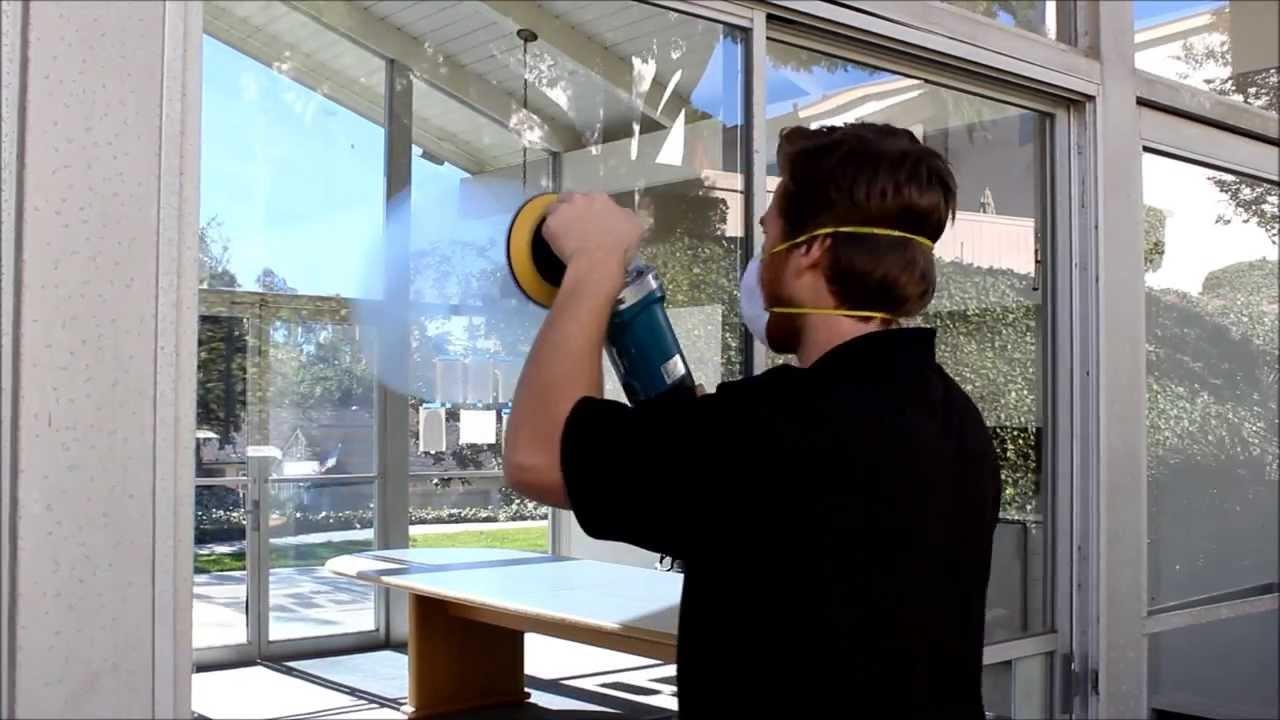
Glass plays an important role in residential and commercial properties. It allows natural light into indoor spaces, provides visibility, and contributes to the overall appearance of a building. Windows, doors, partitions, mirrors, and decorative panels can all lose their original clarity over time because of dirt, mineral deposits, surface marks, and environmental exposure.
Regular maintenance helps protect these installations, but ordinary cleaning does not always solve every problem. Some marks remain visible even after the glass has been cleaned properly. Glass surface maintenance and restoration methods can help identify the source of these imperfections and determine what type of care may be suitable.
Why Does Glass Lose Its Original Clarity?
Glass can appear cloudy or dull for several reasons. Some problems develop gradually, while others result from a specific incident or unsuitable cleaning method.
One common cause is mineral buildup. Water containing dissolved minerals can leave deposits when it dries on a glass surface. Over time, these deposits may become more noticeable, especially on shower doors, exterior windows, and glass panels exposed to frequent moisture.
Dust and environmental pollution can also affect clarity. Exterior glass collects airborne particles, while indoor surfaces may accumulate fingerprints, grease, and cleaning residue.
Physical wear is another possible cause. Repeated contact with objects, abrasive materials, or unsuitable cleaning equipment can create surface imperfections.
Identifying the source of the problem matters because cleaning, stain removal, and physical surface restoration are not the same process.
Common Signs That Glass Needs Attention
Glass does not always become damaged in an obvious way. Several visual changes may indicate that a surface needs more careful inspection.
Cloudy or hazy appearance
A cloudy appearance may result from mineral deposits, residue, or changes to the glass surface. The location and pattern of the haze can provide useful clues about its cause.
Water spots
Water spots often appear after moisture dries and leaves minerals behind. They may be especially noticeable on shower enclosures, exterior windows, and glass doors.
Fine surface scratches
Small scratches can affect reflections and become more visible under direct lighting. Their depth and distribution influence how noticeable they appear.
Uneven reflections
A glass panel may reflect light differently across its surface if it has accumulated deposits or developed physical imperfections.
Persistent stains
Some stains remain visible after ordinary cleaning. Their composition and the type of glass determine which maintenance approach is appropriate.
How Glass Types Affect Restoration Requirements
Not all glass installations have identical properties. The material, manufacturing process, and additional treatments can influence the way a surface should be maintained.
Standard window glass
Ordinary window glass is commonly used in residential and commercial buildings. Its maintenance needs depend on its exposure to weather, pollution, and regular cleaning.
Tempered glass
Tempered glass is processed to improve its strength compared with ordinary glass of similar thickness. It is commonly found in doors, partitions, and other installations where safety requirements are important.
Laminated glass
Laminated glass contains layers joined by an interlayer. It is used in applications where retaining the glass layers after breakage is an important consideration.
Coated glass
Some glass products include special surface treatments that help manage sunlight, heat, glare, or water behavior. These coatings may require specific cleaning products and maintenance procedures.
Decorative glass
Textured, patterned, tinted, and decorative glass may have different surface characteristics. A treatment suitable for a plain panel may not be appropriate for a decorative or coated product.
The correct maintenance approach should always account for the glass type and any manufacturer instructions.
The Role of Inspection Before Restoration
Inspection is an important part of determining what has affected a glass surface. Without identifying the cause, it can be difficult to select a suitable maintenance method.
A careful assessment may consider:
-
The location and size of the affected area.
-
Whether the mark is on the surface or appears to be within the glass.
-
The presence of mineral deposits or other residue.
-
The type of glass and any protective coating.
-
Previous cleaning or maintenance treatments.
-
Whether the condition affects appearance, visibility, or safe use.
This information helps distinguish between problems that may respond to routine cleaning and those that require more specialized attention.
For example, a mineral deposit may need a different approach from a physical scratch. Treating both conditions in the same way could produce poor results or cause additional surface damage.
How Restoration Differs From Routine Cleaning
Routine cleaning focuses on removing everyday dirt, fingerprints, dust, and ordinary residue. It is generally part of regular property maintenance.
Restoration involves assessing and addressing more persistent surface conditions. Depending on the glass and the problem, this may involve specialized cleaning, stain treatment, or other professional methods.
The distinction is important because cleaning cannot reverse every type of physical damage. A deeper scratch or a damaged coating may require a different solution from a removable surface deposit.
Restoration should also be approached carefully. Using an unsuitable product or abrasive tool can affect the glass and make the original problem worse.
When Glass Restoration Services Miami FL May Be Relevant
People researching Glass Restoration Services Miami FL may be dealing with cloudy windows, mineral deposits, surface marks, or glass that has lost some of its original appearance. The appropriate response depends on the actual condition of the installation rather than the appearance of the problem alone.
A proper assessment can help determine whether the issue involves removable residue, physical scratching, or damage to a specialized coating. It can also help establish whether restoration is suitable or whether another option should be considered.
This distinction is particularly relevant for large windows, storefront panels, shower enclosures, and decorative glass. Each installation may have different maintenance requirements, and an approach suitable for one type of glass may not work for another.
It is also useful to consider the age and condition of the panel. Restoration may improve some surfaces, but it cannot guarantee that every imperfection will disappear completely.
Environmental Conditions and Glass Maintenance
The environment surrounding a building can have a noticeable effect on glass. Properties in coastal and humid areas may experience different maintenance challenges from buildings in dry inland locations.
Moisture and mineral deposits
Frequent moisture exposure can leave deposits when water evaporates. Shower doors and exterior panels may be especially affected when water is not removed regularly.
Airborne dust
Dust and small particles can settle on exterior windows. If they are rubbed across the surface during cleaning, they may contribute to fine marks.
Coastal exposure
Buildings near coastal environments may experience salt residue and airborne particles. These deposits can affect the appearance of exterior glass and require appropriate maintenance.
Sunlight and heat
Strong sunlight can make stains and scratches more visible. Temperature changes may also affect certain glass installations and their surrounding materials.
Regular inspections help property owners identify these conditions before they become more difficult to manage.
Maintaining Glass in Residential Properties
Residential glass appears in many areas of a home, including windows, shower enclosures, balcony panels, doors, and decorative features. Each location experiences different types of contact and environmental exposure.
Kitchen windows may collect grease and cooking residue. Bathroom glass can develop mineral deposits from repeated moisture exposure. Balcony panels may collect outdoor dust and weather-related residue.
A practical maintenance routine should consider these differences. Suitable cleaning materials, regular inspections, and attention to manufacturer instructions can help preserve the appearance of household glass.
Homeowners should also avoid applying household chemicals without checking whether they are suitable for the specific surface. Special coatings and decorative finishes may react differently to cleaning products.
Maintaining Glass in Commercial Buildings
Commercial properties often contain large glass surfaces, including entrance doors, storefront windows, office partitions, and display panels.
These installations may receive frequent contact from employees, visitors, and customers. Exterior glass is also exposed to weather, pollution, and dust.
Regular maintenance can help preserve visibility and create a consistent appearance throughout the property. It may also help identify developing problems, such as persistent stains, damaged seals, or visible surface defects.
A maintenance schedule can be based on the location, usage level, and environmental conditions of each glass installation. Frequently used entrance panels may need more attention than glass in less accessible areas.
How to Reduce Future Glass Damage
Preventive care can help reduce the likelihood of scratches, stains, and avoidable surface wear.
-
Remove loose dust and debris before wiping the glass.
-
Use clean microfiber cloths and suitable cleaning products.
-
Avoid abrasive pads and rough materials.
-
Follow manufacturer guidance for coated or specialized glass.
-
Address water residue before deposits become difficult to remove.
-
Inspect frequently used glass doors and panels regularly.
-
Avoid placing hard objects directly on unprotected glass surfaces.
These practices support routine maintenance, although they cannot prevent every type of damage.
When Should Glass Be Replaced Instead?
Restoration is not always the appropriate option. Some glass conditions may require replacement, particularly when the panel has structural damage or presents a safety concern.
Cracks, significant breakage, damaged laminated layers, or other serious defects should not be treated as ordinary surface imperfections. A qualified professional can assess whether the installation remains suitable for use.
The decision may also depend on the glass specification, its location, and relevant building safety requirements. Appearance alone should not determine whether a damaged panel can remain in service.
Conclusion
Glass can lose its clarity because of mineral deposits, environmental exposure, unsuitable cleaning methods, and physical wear. Identifying the source of the problem is essential before selecting a maintenance or restoration approach. Regular care and appropriate professional assessment can help preserve residential and commercial glass while reducing unnecessary surface damage.
- Managerial Effectiveness!
- Future and Predictions
- Motivatinal / Inspiring
- Fitness and Wellness
- Medical & Health
- Manufacturing
- Education
- Real-Estate
- Food Industry
- Hospitality
- Online Games
- Sports
- Home Services
- Civil Engineering
- Safety and Protection
- Software Products & Services
- Fashion and Jewellery
- Artificial Intelligence
- Entrepreneurship
- Mentoring & Guidance
- Marketing
- Networking
- HR & Recruiting
- Literature
- Shopping
- Career Management & Advancement