

 SkillClick
Beyond Everyday Chores: A Practical Guide to Thorough Home Maintenance
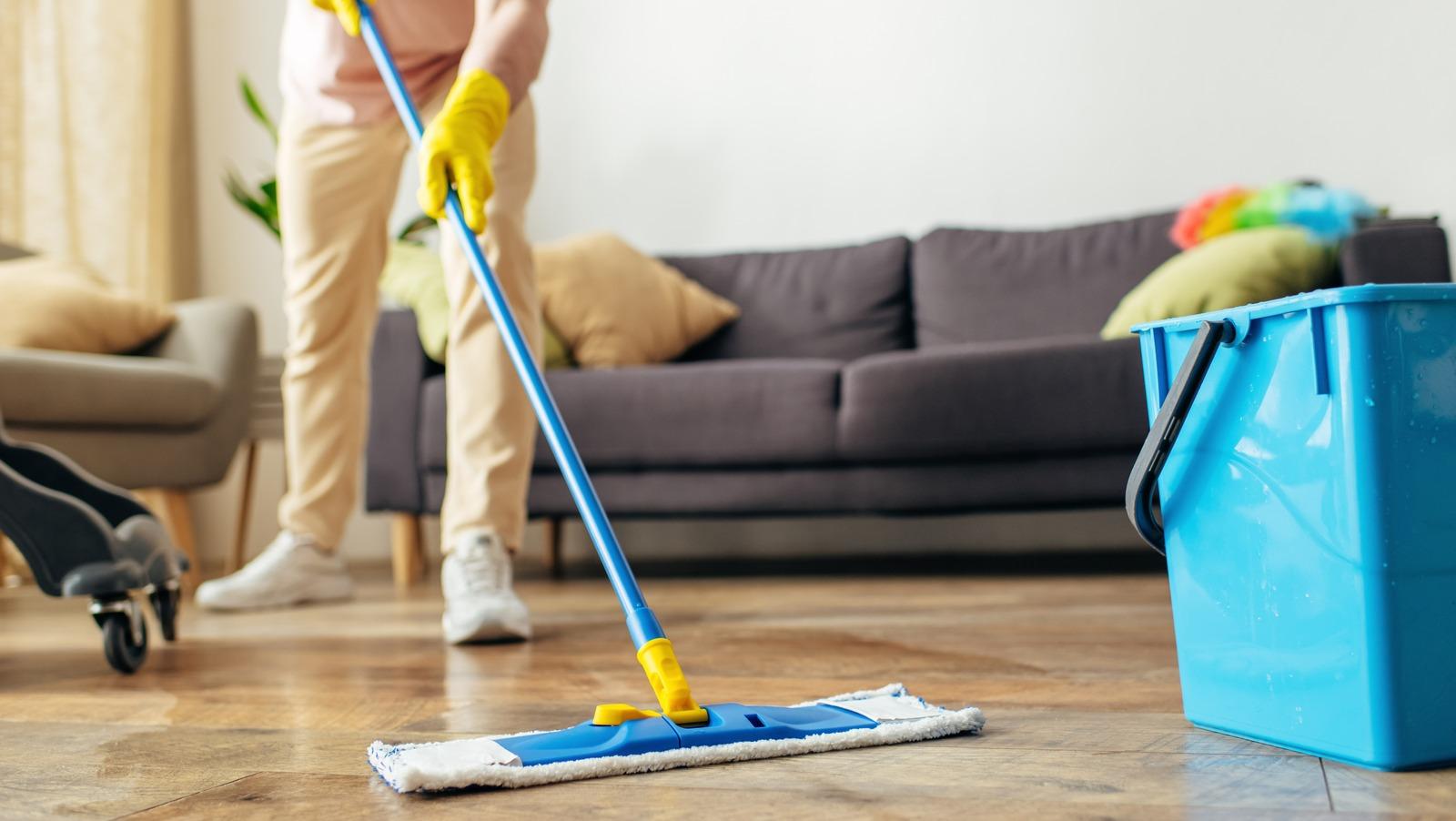
A home can appear tidy while still containing dirt in places that receive little attention during regular household maintenance. Dust behind furniture, residue inside kitchen appliances, accumulated debris along window tracks, and neglected bathroom corners can gradually affect the condition of indoor spaces.
Routine cleaning is useful for managing everyday messes, but certain areas require more detailed attention. These tasks involve reaching difficult locations, treating stubborn buildup, and inspecting surfaces that are not included in ordinary household routines.
A thorough approach to home maintenance focuses on areas that are frequently overlooked. It also considers the materials being cleaned, the condition of different rooms, and the most appropriate techniques for removing accumulated dirt. With proper planning, homeowners can address these responsibilities without unnecessarily disturbing their daily routines.
What Makes Detailed Home Maintenance Different?
Regular household cleaning generally focuses on visible dirt and frequently used surfaces. Sweeping, vacuuming, washing dishes, and wiping countertops help maintain everyday cleanliness.
More detailed maintenance addresses accumulated debris and neglected areas. It often involves moving accessible furniture, cleaning appliance interiors, removing buildup from grout lines, and treating surfaces that require additional attention.
The difference is mainly the level of detail rather than simply the amount of time spent cleaning.
For example, wiping the outside of a refrigerator is a routine task. Cleaning removable shelves, inspecting door seals, and removing accumulated residue from accessible interior sections requires a more thorough approach.
Similarly, vacuuming a living room carpet removes surface debris, while periodic carpet maintenance may involve addressing embedded dirt according to the carpet manufacturer's care instructions.
The Hidden Areas That Commonly Collect Dirt
Some household locations remain unnoticed because they are outside normal sightlines or difficult to access.
These spaces can gradually collect dust, grease, hair, and other debris.
Behind and Beneath Furniture
The areas underneath sofas, beds, cabinets, and other large furniture pieces are frequently neglected.
Dust and pet hair can accumulate in these locations, particularly when furniture remains in the same position for extended periods.
Where practical, accessible furniture should be moved carefully to clean the surrounding floor. Heavy items should not be moved without suitable assistance because doing so can cause injuries or damage flooring.
Window Tracks and Interior Frames
Window tracks can collect dust, insects, outdoor debris, and moisture.
A small vacuum attachment can remove loose particles before the remaining residue is wiped away using a suitable cloth. Window frames should also be inspected for peeling paint, damaged seals, or signs of moisture intrusion.
Kitchen Cabinet Interiors
Cabinet interiors may collect crumbs, spilled ingredients, and sticky residue.
Removing stored items periodically makes it easier to inspect shelves and clean corners. Before returning items, check packaging for leaks and dispose of expired food products.
Ventilation Grilles
Air return grilles and accessible ventilation covers can collect dust over time.
Cleaning exterior surfaces according to manufacturer recommendations helps maintain a tidy appearance. More extensive ductwork maintenance should be evaluated separately rather than assuming that every dusty grille indicates a problem inside the ventilation system.
A Room-by-Room Approach to Thorough Cleaning
Dividing a property into individual areas makes detailed maintenance easier to organize. It also helps prevent important tasks from being overlooked.
Kitchen: Addressing Grease and Food Residue
The kitchen often requires additional attention because cooking produces grease, steam, and food particles.
A detailed maintenance session may include:
-
Cleaning accessible cabinet interiors.
-
Removing residue from appliance handles and exterior surfaces.
-
Washing removable refrigerator shelves.
-
Cleaning backsplash surfaces.
-
Checking the area around the sink for leaks.
-
Removing debris from accessible corners and floor edges.
Stovetops and oven interiors should be cleaned according to their specific manufacturer instructions. Abrasive materials may damage certain finishes, while unsuitable chemical products can leave unwanted residue.
Bathroom: Managing Soap Deposits and Moisture
Bathrooms contain several surfaces that experience frequent exposure to water.
Shower doors, faucets, tile joints, and sink drains can develop mineral deposits and soap buildup. These areas benefit from appropriate cleaning products and non-damaging tools.
Pay particular attention to grout. Discoloration may indicate accumulated dirt, but persistent dampness or recurring growth can require further investigation.
After cleaning, allow surfaces to dry and maintain proper ventilation.
Bedrooms: Refreshing Fabrics and Storage Areas
Bedrooms contain numerous soft furnishings that collect dust through everyday use.
Mattresses, upholstered headboards, curtains, rugs, and bedding should receive appropriate maintenance based on their materials.
Closets also benefit from periodic organization. Removing unnecessary items creates better access to shelves and floor areas, making routine maintenance easier.
Living Areas: Furniture and Decorative Features
Living rooms often contain a combination of hard surfaces, fabrics, electronics, and decorative objects.
Clean accessible shelves, picture frames, lampshades, and furniture surfaces using appropriate materials. Upholstery should be vacuumed with suitable attachments, while delicate fabrics may require professional care.
Electronics should be cleaned using manufacturer-approved methods, with devices switched off and disconnected when appropriate.
How Seasonal Changes Affect More Detailed Cleaning Needs
Seasonal changes can create additional household maintenance responsibilities, particularly in areas with changing temperatures and weather conditions.
Spring often introduces pollen and outdoor dust. Windows, screens, entryways, and upholstery may require additional attention after periods of limited ventilation during winter.
Summer humidity can affect basements, bathrooms, and laundry spaces. Checking for moisture accumulation and improving ventilation helps reduce the likelihood of persistent dampness.
Autumn brings leaves, dirt, and debris that can enter through doors and windows. Cleaning entrance areas and inspecting window tracks can help prepare a property for colder weather.
Winter creates additional challenges involving wet footwear, snow, and road salt. Entryway flooring, mats, and nearby surfaces may need more frequent maintenance.
These seasonal considerations make it useful to plan detailed household tasks throughout the year rather than waiting until dirt becomes difficult to manage.
Deep Cleaning Services and Their Role in Residential Maintenance
Deep Cleaning Services generally involve a more detailed approach to household maintenance than ordinary weekly chores. The focus is on areas where dirt, grease, dust, and other residue accumulate over time.
For households in Hartford, Connecticut, this type of maintenance may be particularly useful after winter, before seasonal changes, following renovation work, or when preparing a property for a change in occupancy.
The exact tasks depend on the property's condition, room layout, materials, and household requirements. Common areas of attention include kitchen cabinet interiors, bathroom grout, window tracks, accessible baseboards, and difficult-to-reach flooring sections.
It is also useful to distinguish cleaning from repairs. For example, removing surface discoloration from a bathroom wall is different from resolving a moisture problem behind that wall. Similarly, cleaning a ventilation grille does not necessarily address issues within the ventilation system.
Recognizing these differences helps homeowners identify when an ordinary maintenance task is sufficient and when a separate inspection may be necessary.
Preparing a Property for a More Thorough Cleaning Session
Preparation can make detailed household maintenance more organized and efficient.
Before beginning, identify the rooms that need the most attention and note any surfaces requiring special treatment.
A simple preparation process includes:
-
Remove unnecessary clutter from countertops, tables, and floors.
-
Put away personal belongings and fragile decorative items.
-
Identify delicate materials that require special cleaning instructions.
-
Make sure suitable supplies and equipment are available.
-
Provide adequate ventilation where cleaning products are being used.
-
Identify areas with visible damage, leaks, or persistent moisture.
It is also useful to separate cleaning supplies according to their purpose. Products used around food preparation areas should not be casually transferred to bathroom cleaning tasks.
Never combine different chemical cleaners. Follow product labels, use appropriate protective equipment, and keep supplies away from children and pets.
Maintaining Results Between Detailed Cleaning Sessions
A thorough cleaning session provides limited long-term benefits if everyday maintenance is completely neglected afterward.
Small habits help prevent dirt from returning quickly.
For instance, wiping kitchen counters after cooking reduces grease and food residue. Removing shoes at the entrance limits the amount of outdoor dirt entering living areas. Regularly washing bedding and vacuuming frequently used rooms also helps maintain a comfortable indoor environment.
Homeowners can divide responsibilities into manageable intervals:
| Maintenance frequency | Recommended activities |
|---|---|
| Daily | Clear clutter, wipe kitchen surfaces, and address spills |
| Weekly | Vacuum floors, clean bathrooms, and change bedding |
| Monthly | Inspect window tracks, clean accessible furniture edges, and organize storage |
| Seasonally | Address neglected areas, inspect moisture-prone spaces, and refresh interior surfaces |
The schedule should reflect the size of the property, the number of occupants, and everyday household activity.
Conclusion
Detailed household maintenance addresses the areas that ordinary routines may overlook. By paying attention to hidden spaces, appliance interiors, moisture-prone surfaces, and different flooring materials, homeowners can maintain their properties more effectively.
Combining occasional detailed cleaning with consistent everyday habits creates a practical approach to keeping residential spaces organized, comfortable, and well maintained.
- Managerial Effectiveness!
- Future and Predictions
- Motivatinal / Inspiring
- Fitness and Wellness
- Medical & Health
- Manufacturing
- Education
- Real-Estate
- Food Industry
- Hospitality
- Online Games
- Sports
- Home Services
- Civil Engineering
- Safety and Protection
- Software Products & Services
- Fashion and Jewellery
- Artificial Intelligence
- Entrepreneurship
- Mentoring & Guidance
- Marketing
- Networking
- HR & Recruiting
- Literature
- Shopping
- Career Management & Advancement