

 SkillClick
Aquaponics Market Inhibitors: Key Challenges Restricting Industry Expansion and Commercial Adoption
Introduction
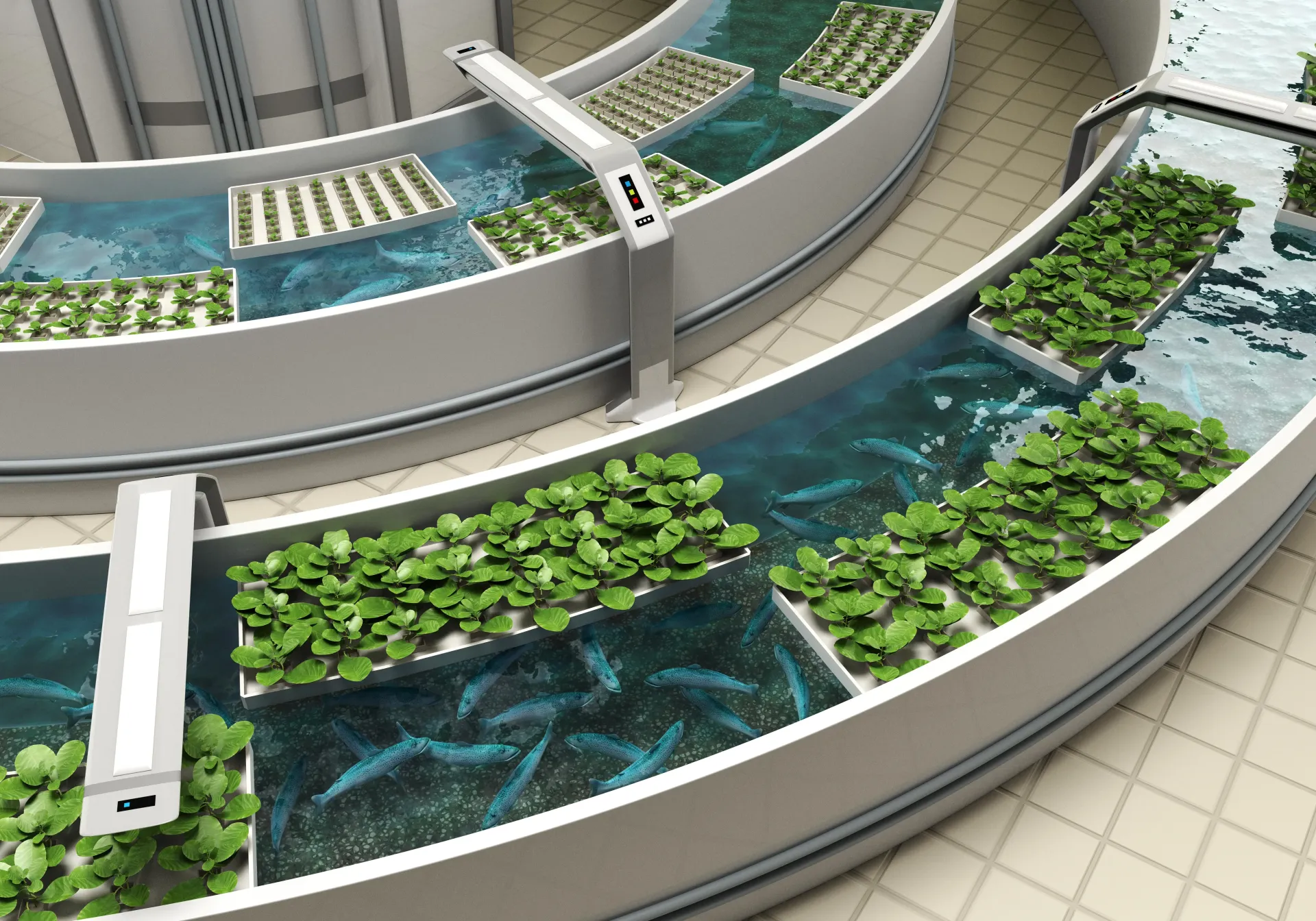
The aquaponics industry is gaining attention as an innovative approach to sustainable food production. By combining aquaculture and hydroponics, aquaponics systems enable fish farming and plant cultivation within a connected environment. Fish waste provides nutrients for plants, while plants and beneficial microorganisms help maintain water quality. Despite these advantages, several obstacles continue to restrict the widespread adoption of this agricultural technology.
Understanding Aquaponics Market Inhibitors is essential for identifying the factors that limit commercial development, discourage investment, and create operational difficulties. Although aquaponics offers opportunities for resource-efficient agriculture, its expansion depends on overcoming economic, technological, environmental, and regulatory challenges. These inhibitors influence both small-scale producers and large commercial operators.
High Initial Investment Requirements
One of the most significant barriers affecting aquaponics adoption is the substantial initial investment required to establish a functioning system. Commercial facilities need fish tanks, grow beds, water circulation equipment, filtration units, aeration systems, pumps, plumbing infrastructure, and monitoring technologies.
The cost increases further when businesses invest in climate-controlled greenhouses, automated feeding equipment, water treatment solutions, and backup electricity systems. These requirements can make aquaponics less accessible to farmers operating with limited financial resources.
Unlike traditional farming, where producers may already possess suitable land and basic equipment, aquaponics requires specialized infrastructure. New businesses must also allocate funds for system installation, testing, and operational training before generating consistent revenue.
Limited access to affordable financing can further discourage entrepreneurs from entering the industry.
High Energy Consumption and Electricity Dependence
Energy dependence represents another major inhibitor in the aquaponics industry. Pumps, aerators, filtration systems, lighting equipment, and temperature-control technologies generally require continuous electricity.
Any interruption in power supply can affect oxygen availability, water circulation, and biological stability. In severe situations, equipment failure may result in fish mortality, plant damage, and significant financial losses.
Energy expenses can become particularly challenging in regions with high electricity tariffs or unreliable power infrastructure. Indoor aquaponics facilities may experience additional costs because artificial lighting and climate-control systems are necessary to maintain suitable growing conditions.
Although renewable energy solutions can reduce dependence on conventional electricity, installing solar panels, batteries, and backup systems requires additional investment. Consequently, energy costs remain an important consideration when evaluating the long-term profitability of aquaponics operations.
Technical Complexity and Skilled Labor Shortages
Aquaponics requires knowledge of multiple interconnected disciplines, including aquaculture, hydroponics, microbiology, water chemistry, and plant nutrition. Maintaining a stable environment for fish, plants, and beneficial bacteria requires careful monitoring and technical expertise.
Operators must understand dissolved oxygen levels, water temperature, pH balance, ammonia concentration, nitrate availability, and filtration performance. An imbalance in any of these parameters can negatively affect the entire production system.
The shortage of trained professionals creates additional difficulties for commercial operators. Farmers transitioning from conventional agriculture may require specialized training to understand biological processes and system management.
Technical mistakes can produce unexpected losses, particularly during the initial operating period. This complexity can discourage new entrants who prefer conventional agricultural practices with more familiar production methods.
Water Quality Management Challenges
Water quality is fundamental to successful aquaponics production. Unlike conventional farming, where soil and irrigation conditions can be managed separately, aquaponics connects fish health directly with plant development.
Maintaining suitable water conditions requires continuous attention to pH, temperature, dissolved oxygen, ammonia, nitrites, and nitrates. Changes in these parameters can affect fish survival, nutrient absorption, and microbial activity.
Excessive fish waste may increase ammonia concentrations, while insufficient biological filtration can disrupt the conversion of toxic compounds into plant-accessible nutrients. Similarly, inappropriate pH levels can reduce nutrient availability and affect the health of aquatic organisms.
Water quality management becomes increasingly complicated as facilities expand. Larger operations require reliable monitoring equipment, trained personnel, and regular maintenance to prevent production interruptions.
Limited Awareness and Market Acceptance
Limited awareness among farmers, investors, distributors, and consumers also restricts market expansion. Although aquaponics offers several environmental advantages, many agricultural producers remain unfamiliar with its operating principles and commercial potential.
Traditional farming methods continue to dominate agricultural production in many regions because they benefit from established supply chains, familiar technologies, and longstanding farming practices.
Consumer acceptance can also influence commercial performance. Some buyers may have limited knowledge of aquaponically produced vegetables and fish, making it difficult for producers to communicate product benefits effectively.
Additionally, customers may prioritize price, availability, freshness, and established quality standards rather than production methods. Without effective education and marketing initiatives, aquaponics businesses may struggle to differentiate their products in competitive food markets.
Regulatory and Certification Barriers
Regulatory uncertainty creates further complications for aquaponics businesses. Since aquaponics combines fish cultivation with crop production, operators may need to comply with different regulations covering aquaculture, food safety, agricultural production, water usage, and waste management.
Requirements can vary considerably between countries and regions. Businesses may encounter difficulties obtaining permits, meeting environmental standards, and understanding certification procedures.
Food safety compliance is particularly important when producing fish and vegetables within interconnected systems. Producers must demonstrate appropriate handling, hygiene, traceability, and contamination prevention practices.
The absence of clearly defined regulatory frameworks specifically addressing integrated aquaponics operations can increase administrative costs and delay commercial expansion.
Disease Management and Biological Risks
Biological risks represent another important challenge. Fish and plants share a connected water environment, meaning that disease outbreaks or contamination events can affect multiple components of an aquaponics facility.
Fish diseases, bacterial infections, parasites, and plant pathogens can reduce productivity and increase operating expenses. Managing these risks requires preventive monitoring, proper stocking densities, sanitation procedures, and effective biosecurity practices.
Treatment options may also be limited because chemicals commonly used in conventional aquaculture or horticulture can damage beneficial microorganisms or negatively affect other organisms within the system.
Consequently, operators must adopt carefully controlled disease management strategies. Unexpected biological problems can interrupt production and create financial uncertainty.
Limited Nutrient Control and Crop Flexibility
Although fish waste provides essential nutrients for plant development, aquaponics systems do not always supply every nutrient required by different crops in sufficient quantities.
Certain plants may require additional iron, potassium, calcium, or other micronutrients. Producers must identify deficiencies and introduce suitable supplements without harming fish or disrupting microbial balance.
This requirement creates additional management complexity compared with conventional hydroponic systems, where nutrient solutions can be adjusted more directly.
Crop selection can also influence profitability. Leafy vegetables generally adapt well to aquaponics, while certain fruiting crops require more intensive nutrient management, structural support, and environmental control.
These limitations may restrict product diversification and reduce the ability of producers to respond quickly to changing market demand.
How Industry Participants Can Overcome These Inhibitors
Addressing the major Aquaponics Market Inhibitors requires coordinated efforts from technology developers, agricultural businesses, policymakers, and educational institutions.
Manufacturers can develop affordable modular systems that reduce installation expenses and simplify maintenance. Energy-efficient pumps, automated monitoring equipment, and renewable energy integration can help control operational costs.
Training programs and demonstration facilities can improve technical awareness among farmers and potential investors. Clearer regulatory guidelines can also encourage business participation by reducing uncertainty surrounding permits and food safety requirements.
Furthermore, improved marketing strategies can strengthen consumer awareness and establish confidence in aquaponically produced food.
Conclusion
The aquaponics industry has considerable potential to support sustainable agriculture, efficient water utilization, and diversified food production. However, high capital requirements, energy dependence, technical complexity, regulatory uncertainty, and biological risks continue to restrict its commercial development.
Overcoming these challenges will require affordable technologies, skilled workforce development, stronger industry collaboration, and improved operational practices. As these obstacles are gradually addressed, aquaponics businesses may become better positioned to expand production, improve profitability, and contribute to more resilient agricultural systems.
- Managerial Effectiveness!
- Future and Predictions
- Motivatinal / Inspiring
- Fitness and Wellness
- Medical & Health
- Manufacturing
- Education
- Real-Estate
- Food Industry
- Hospitality
- Online Games
- Sports
- Home Services
- Civil Engineering
- Safety and Protection
- Software Products & Services
- Fashion and Jewellery
- Artificial Intelligence
- Entrepreneurship
- Mentoring & Guidance
- Marketing
- Networking
- HR & Recruiting
- Literature
- Shopping
- Career Management & Advancement