

 SkillClick
Restoring Automotive Paint Quality Through Careful Surface Correction
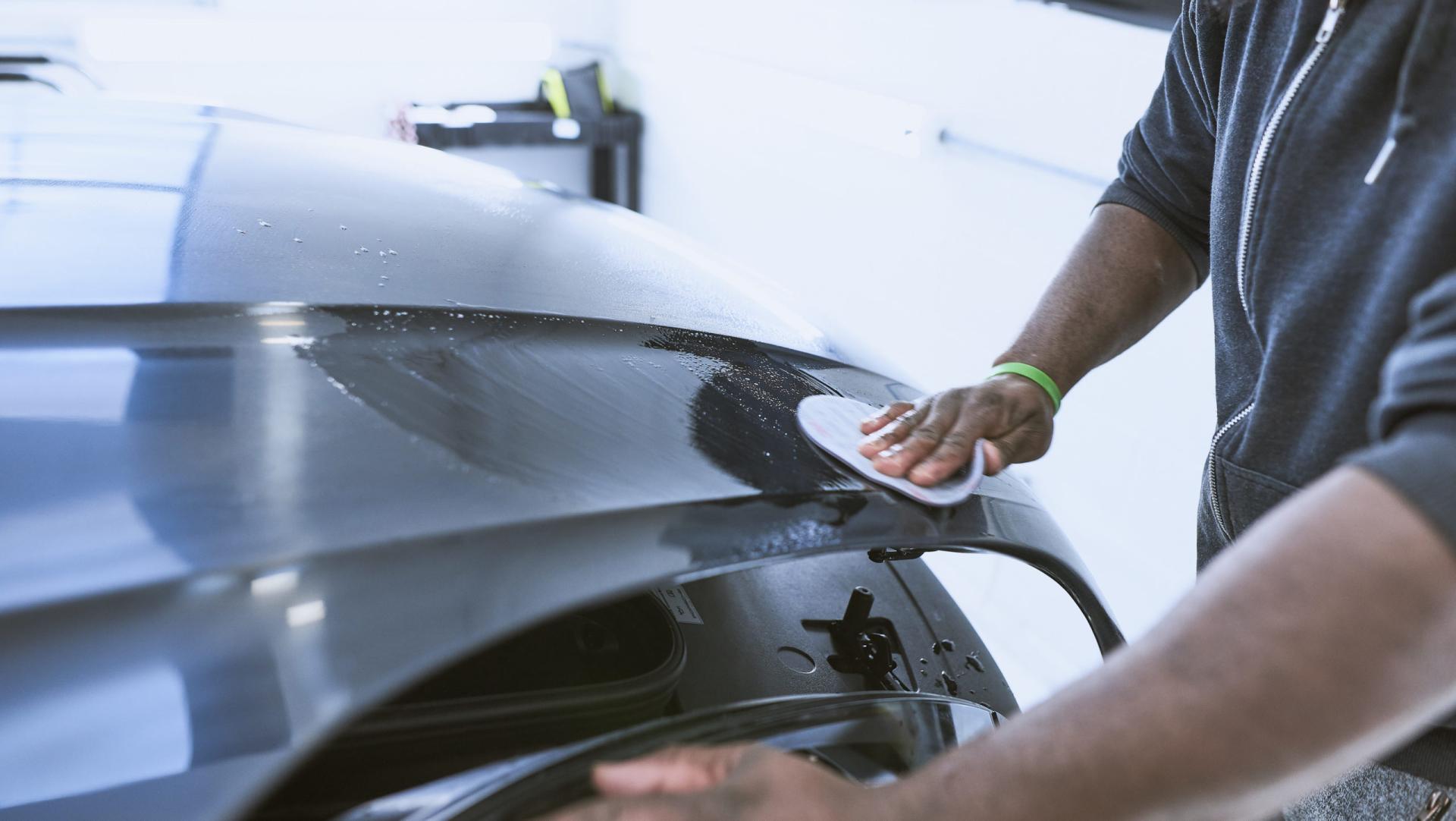
A vehicle's paint finish can gradually lose its original clarity even when the car receives regular washing. Fine scratches, swirl marks, oxidation, and environmental contamination can affect how light reflects from painted panels. These imperfections may become particularly noticeable under direct sunlight or bright artificial lighting.
Automotive paint correction focuses on improving the appearance of these imperfections through carefully selected surface-refinement techniques. Unlike ordinary washing, which removes dirt and loose contaminants, paint correction addresses certain defects within the clear coat itself.
The process requires a careful assessment of the vehicle's finish, knowledge of paint systems, and suitable equipment. Applying aggressive techniques without understanding the condition of the paint can create additional problems. A measured approach is therefore essential for achieving a cleaner and more consistent finish.
Why Automotive Paint Loses Its Original Appearance
Automotive paint is exposed to several environmental and physical factors throughout a vehicle's lifetime. Although modern paint systems include protective layers, these finishes are not completely resistant to damage.
Several conditions can contribute to changes in paint appearance.
Incorrect Washing Techniques
Using dirty towels, rough sponges, or unsuitable brushes can create fine scratches across painted surfaces.
These marks are commonly known as swirl marks because they may appear as circular patterns under certain lighting conditions.
Improper drying techniques can also introduce scratches when dust and other particles become trapped between the towel and the paint.
Environmental Exposure
Sunlight, rainwater, airborne pollutants, and organic deposits can gradually affect exterior finishes.
Extended ultraviolet exposure may contribute to oxidation and fading, particularly when protective coatings have deteriorated.
Bird droppings and tree sap can also leave stubborn marks if they remain on the surface for too long.
Automatic Car Washes
Some automatic washing systems use brushes that may contain accumulated dirt from previous vehicles.
Depending on the equipment and maintenance standards, contact washing can introduce fine surface marks.
Touchless systems avoid direct brush contact but may rely on stronger cleaning chemicals, which also need to be compatible with the vehicle's finish.
Everyday Road Conditions
Dust, road debris, and industrial contamination can settle on painted panels during regular driving.
Lower doors, bumpers, and wheel arches often experience greater exposure because of their proximity to the road.
Identifying Common Automotive Paint Imperfections
Before considering any correction process, it is necessary to distinguish between different types of paint defects.
Not every visible mark requires machine polishing, and some imperfections cannot be safely removed through surface correction.
Swirl marks: Fine circular or curved scratches that often become visible under direct lighting.
Light scratches: Shallow surface marks that may affect the clear coat without reaching the underlying paint layers.
Oxidation: A deterioration process that can make certain finishes appear dull or faded.
Water spots: Mineral deposits left behind when water evaporates from the vehicle's surface.
Etching: Surface damage that may occur when certain contaminants remain on paint for extended periods.
Holograms: Visible polishing patterns that can result from incorrect machine polishing techniques.
Identifying the actual problem helps determine whether cleaning, chemical decontamination, polishing, or another treatment is appropriate.
How Paint Correction Works
Paint correction generally involves refining the vehicle's clear coat to improve the appearance of suitable surface imperfections.
The process does not add a completely new paint layer. Instead, it uses controlled polishing techniques to refine the existing finish.
The amount of correction required depends on the severity and location of the defects.
Initial Paint Inspection
The vehicle should be examined under appropriate lighting to identify scratches, swirl marks, oxidation, and previous repair work.
Different panels may have different paint thicknesses because of manufacturing variations or previous repainting.
A paint thickness gauge can provide useful information about the overall paint system, although measurements must be interpreted carefully.
Surface Preparation
Before polishing, the exterior should be thoroughly washed and inspected for bonded contamination.
If necessary, suitable chemical or mechanical decontamination methods can remove particles that ordinary washing does not eliminate.
This preparation reduces the possibility of dragging contamination across the surface during polishing.
Machine Polishing
Machine polishing uses specialized equipment and compatible polishing compounds to refine the paint.
Different pad types and polishing products provide different levels of correction.
A less aggressive approach may be suitable for light imperfections, while more noticeable defects may require additional refinement.
The objective should be to achieve an appropriate improvement without unnecessarily removing clear coat material.
Final Surface Inspection
After polishing, the paint should be examined under different lighting conditions.
This helps identify remaining imperfections, polishing residue, and uneven areas.
A suitable finishing process can then improve clarity and prepare the surface for an appropriate protective treatment.
Why Paint Thickness Matters During Correction
Automotive clear coat provides an important protective barrier over the base color.
Paint correction generally involves removing a very small amount of material from this outer layer. However, excessive polishing can reduce the remaining protective thickness.
This is why aggressive correction should not automatically be considered better.
Several factors influence how much correction is appropriate:
-
Original paint thickness.
-
Previous polishing history.
-
Existing scratches and surface damage.
-
Factory paint characteristics.
-
Previous repainting or body repairs.
-
The condition of individual vehicle panels.
Deep scratches that extend beyond the clear coat may require professional refinishing rather than additional polishing.
A realistic correction plan prioritizes preserving the existing paint system instead of attempting to eliminate every visible imperfection.
Professional Car Paint Correction in Inglewood, CA: Local Vehicle Care Considerations
Professional Car Paint Correction in Inglewood, CA, involves evaluating automotive finishes while considering the environmental conditions commonly experienced in Southern California.
Vehicles in Inglewood may experience prolonged sunlight exposure, airborne dust, traffic-related contamination, and occasional seasonal rain. These factors can contribute to paint deterioration and make regular exterior inspections particularly useful.
Cars parked outdoors may develop water spots, surface contamination, or fading protective products over time. Vehicles used regularly in urban traffic can also accumulate road film and fine particles around lower body panels.
Before choosing a correction approach, several details should be considered:
-
The vehicle's current paint condition.
-
Whether the finish has been previously polished.
-
The presence of original or repaired paintwork.
-
The depth and location of visible imperfections.
-
The amount of correction that can safely be performed.
Different vehicles require different treatment plans. A relatively new car with light swirl marks may need less correction than an older vehicle with years of accumulated surface defects.
Environmental conditions should also influence the timing and location of paint-related work. A clean, shaded working environment helps reduce contamination during preparation and polishing.
Paint Protection After Surface Correction
Once suitable paint correction has been completed, maintaining the improved finish becomes an important consideration.
Protective products help reduce direct exposure to certain environmental contaminants and make routine washing easier.
Common options include:
Automotive wax: Traditional wax products provide temporary protection and can enhance surface gloss.
Paint sealants: Synthetic sealants create a protective layer and may offer longer durability depending on their formulation.
Ceramic coatings: These products create a durable protective surface when correctly prepared and applied. They can improve water behavior and simplify maintenance, but they do not make paint immune to scratches.
The appropriate product depends on the vehicle's condition, expected maintenance routine, and desired protection period.
It is also important to follow product instructions because incorrect application may produce streaks or uneven residue.
Preventing Future Paint Damage
Maintaining corrected paint requires consistent washing habits and suitable cleaning materials.
Vehicle owners can reduce unnecessary surface wear through a few practical measures:
-
Wash the vehicle using automotive-specific cleaning products.
-
Use clean microfiber washing and drying materials.
-
Avoid wiping dusty paint without first removing loose particles.
-
Remove bird droppings and insect residue promptly.
-
Park in covered or shaded locations when practical.
-
Inspect painted panels periodically under suitable lighting.
-
Follow the maintenance recommendations for existing protective coatings.
These habits help reduce the accumulation of contaminants and minimize avoidable damage from incorrect washing practices.
Conclusion
Automotive paint correction is a specialized maintenance process that focuses on improving the appearance of suitable surface imperfections. Careful inspection, controlled polishing, and attention to remaining clear coat thickness are essential for achieving responsible results.
Combining appropriate correction techniques with regular washing and suitable protective products helps maintain paint clarity and preserve the vehicle's exterior condition over time.
- Managerial Effectiveness!
- Future and Predictions
- Motivatinal / Inspiring
- Fitness and Wellness
- Medical & Health
- Manufacturing
- Education
- Real-Estate
- Food Industry
- Hospitality
- Online Games
- Sports
- Home Services
- Civil Engineering
- Safety and Protection
- Software Products & Services
- Fashion and Jewellery
- Artificial Intelligence
- Entrepreneurship
- Mentoring & Guidance
- Marketing
- Networking
- HR & Recruiting
- Literature
- Shopping
- Career Management & Advancement