

 SkillClick
How Can Smart Blinds With App Control Make Tall and Wide Windows Easier to Manage?
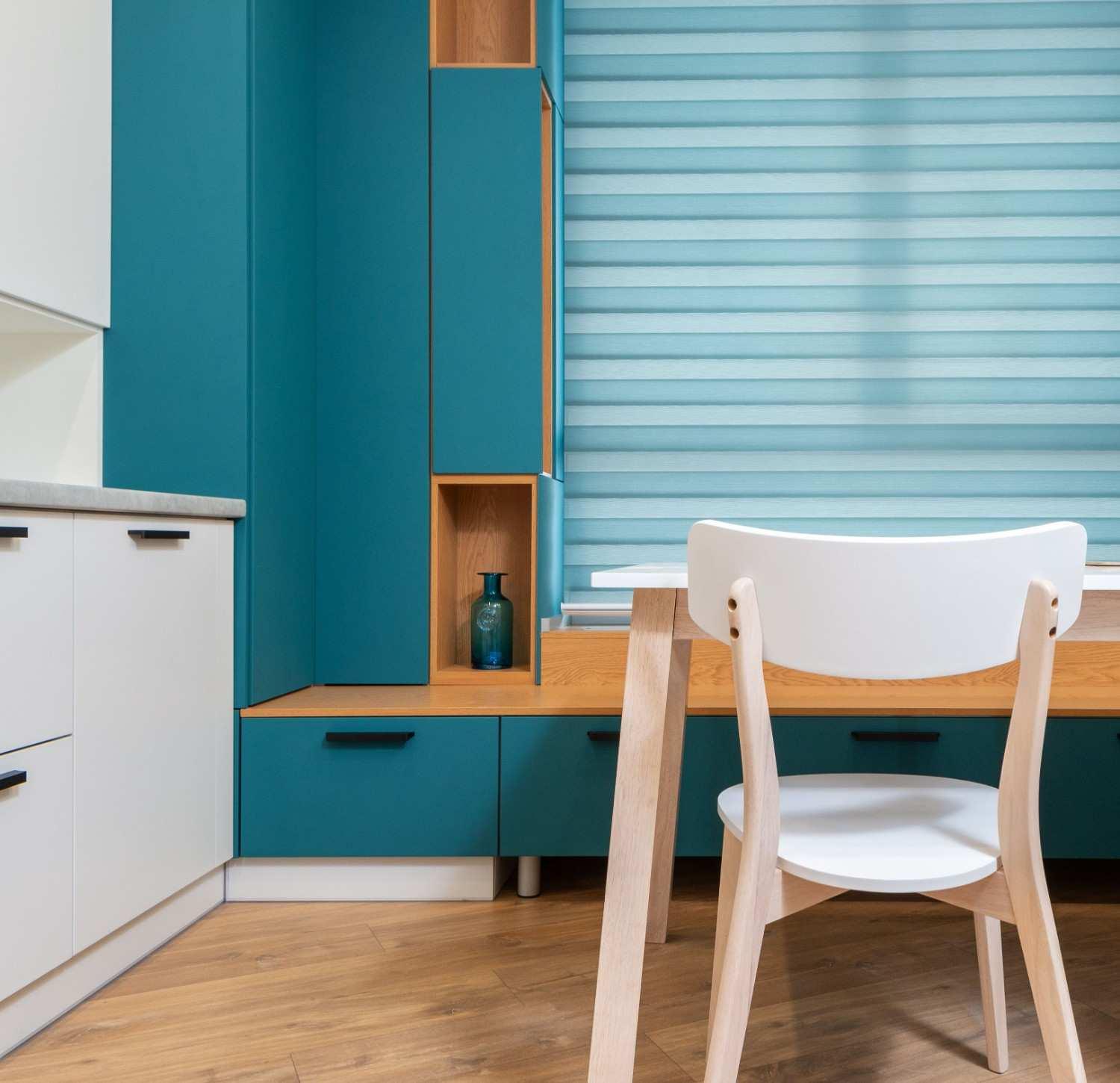
Tall windows bring natural light, architectural character, and a sense of openness to a room. Wide windows can make a living area feel larger and connect indoor spaces with the outdoors. However, these features can also create a practical challenge: adjusting window coverings becomes difficult when the blinds are high above the floor, span a large opening, or sit behind furniture.
Smart blinds offer a way to manage these windows with less physical effort. Depending on the selected system, users can operate their blinds through a smartphone app, a handheld remote, a wall control, or a compatible smart-home platform. Some systems also support scheduled adjustments, allowing window coverings to follow a household's daily routine.
For homeowners and property managers in Washington, DC, choosing the right system involves more than selecting a motor. Window dimensions, mounting conditions, power options, connectivity, and everyday preferences all influence how well a solution works.
Why Are Tall and Wide Windows More Difficult to Operate?
Traditional window coverings are straightforward when their controls are within easy reach. The situation changes when a window extends toward a high ceiling or covers a substantial wall opening.
Manually operated blinds may require repeated reaching, pulling, or adjusting. For a very wide treatment, the amount of effort can increase, especially when the covering is heavy or used several times a day. Furniture, deep window recesses, and awkward mounting positions can make access even less convenient.
These challenges are particularly relevant when several windows need attention at once. A homeowner might want to reduce afternoon glare in a living room, increase privacy in a bedroom, and adjust another window in a home office. Walking between each window to make individual changes can become a repetitive task.
Motorization changes how the covering is operated. Instead of physically reaching the controls, the user sends a command through the selected control system. This can make daily adjustments easier while preserving the appearance and function of the window treatment.
What Does App-Controlled Smart Blind Technology Actually Do?
App-controlled blinds use a motor and a compatible control system to move or adjust the window covering electronically. Depending on the product, the app may connect through a manufacturer's hub, a local wireless network, Bluetooth, or another supported communication method.
The available functions vary. Some systems provide basic open-and-close commands, while others support preset positions, schedules, grouped controls, or integration with compatible home automation equipment.
Control Individual Windows From One Place
A smartphone interface can make it easier to operate a hard-to-reach window without moving furniture or using an extended reach. If the system supports multiple treatments, users may also be able to control several blinds from the same interface.
For example, a household could adjust the living room's wide window covering and then lower a bedroom shade from the same device. Whether this can be done in one command depends on the system's grouping capabilities and configuration.
Set Schedules Around Daily Activities
Scheduling allows compatible blinds to move at predetermined times. A resident might program bedroom shades to open in the morning and living room blinds to adjust later in the day.
Schedules can reduce the number of manual commands required. However, they should reflect actual household needs rather than follow an inflexible timetable. Changes in occupancy, daylight, or personal preferences may require occasional adjustments.
Use Remote Access Carefully
Some systems permit control while the user is away from home, provided the product supports remote access and the required internet connection or hub is available. Others offer app control only when the phone is within a particular range or connected to the appropriate network.
Before choosing a system, check which functions remain available during an internet outage and whether remote access requires an additional subscription or device.
Which Smart Blind Features Matter Most for Washington, DC Homes?
Washington properties include apartments, rowhouses, detached homes, and commercial spaces with different window dimensions and interior layouts. A useful system should address the actual conditions of the property rather than simply offer the largest feature list.
For someone comparing smart blinds installation for tall and wide windows in Washington, DC, the first consideration should be whether the selected motor and window covering are suitable for the opening's dimensions, weight, and operating requirements.
The control features come next. A simple remote may be sufficient for one difficult-to-reach window. A phone app and group control may be more convenient when several large windows need regular adjustments. Scheduling may be useful for rooms where privacy or daylight preferences follow a consistent routine.
It is also important to distinguish between smart control and automatic environmental sensing. An app that operates on a schedule does not necessarily detect sunlight, room temperature, or occupancy. Those functions require compatible sensors and supporting equipment.
How Should You Choose Between Battery-Powered and Wired Systems?
Power is an important part of planning motorized window coverings. The most suitable option depends on the property's construction, access to electrical power, installation preferences, and the chosen product.
Battery-Powered Motors
Battery-powered systems can be practical when adding electrical wiring would be difficult or undesirable. They may suit finished rooms where preserving existing walls and trim is a priority.
However, batteries require maintenance. Their expected life depends on the product, window-covering weight, frequency of use, and other operating conditions. Ask how the batteries are accessed, how the system indicates low power, and whether replacement can be completed conveniently.
Wired Motors
Wired systems receive power through an electrical connection. They may be appropriate for larger projects, planned renovations, or situations where a permanent power arrangement is preferred.
Installation requirements vary by product and building. Existing wall construction, access to wiring routes, and the location of the power source should be evaluated before the system is selected. Electrical work should be handled by appropriately qualified professionals when required.
Neither option is automatically best for every tall or wide window. Confirm that the motor is rated for the specific treatment and that its power arrangement is practical for the room.
Can Smart Blinds Integrate With an Existing Smart Home?
Some motorized window coverings work with voice assistants or broader home automation systems. Others use proprietary apps and require a dedicated hub. Compatibility should be verified before purchasing equipment.
Start by identifying the platform already used in the property, if any. Then check whether the proposed blinds support that platform directly or require additional hardware. Similar-looking products can have very different compatibility requirements.
Consider how the system should behave in everyday use. Would a voice command be helpful? Should several window coverings respond together? Is independent control of each room important? These questions help determine whether basic app functionality is sufficient or a more integrated arrangement is worthwhile.
Security and account access also deserve attention. Use strong account credentials, install relevant software updates, and review permissions for anyone who can control the window coverings. Where remote operation is available, understand which features depend on an internet connection and how access can be managed if a phone is lost.
Why Accurate Measurements Matter Before Installation
Smart controls cannot compensate for a window covering that is poorly sized or incorrectly mounted. Measurement and product selection remain essential, particularly when the opening is unusually tall or wide.
The installer should assess the window's width and height, mounting surface, clearance, trim, and any nearby obstacles. The type of covering also matters because different materials and operating mechanisms place different demands on the motor.
For wide openings, it may be necessary to consider whether the treatment should operate as one unit or be divided into multiple sections. The answer depends on the product's supported dimensions, the desired appearance, and the practical requirements of the space.
Homeowners exploring smart blinds with app control in Washington, DC should consider these installation details alongside their preferred control features. Reviewing the window dimensions, power options, and desired operation together helps ensure that the final arrangement suits both the opening and the people using it.
Before the installation is finalized, ask for a demonstration of the controls. Confirm how to open, close, and position the blinds; how to operate them if the app is unavailable; and how to access batteries or other serviceable components. If multiple treatments will be grouped, test each group and verify that individual controls still work as intended.
How Can You Keep Smart Blinds Working Reliably?
Routine care helps preserve the appearance and operation of motorized window coverings. Follow the manufacturer's cleaning instructions, avoid forcing a treatment that appears stuck, and keep the surrounding area clear of objects that could interfere with movement.
If the blinds move unevenly, stop responding, or make unfamiliar noises, consult the product's troubleshooting guidance. The cause could involve power, connectivity, an obstruction, settings, or a mechanical issue. Repeatedly sending commands may not resolve the underlying problem.
Check battery levels when applicable and review the app or hub's connection status if remote commands fail. Keep any required software updated, and retain the product information and installation documentation for future maintenance.
It is also sensible to understand the limits of automation. A scheduled blind may not respond as expected if power is lost, connectivity is interrupted, or the control system is misconfigured. Knowing how to operate the treatment manually or through an alternative control, where supported, can prevent unnecessary frustration.
What Should You Ask Before Choosing a Smart Blind System?
Before committing to a solution, ask a few practical questions:
-
Is the motor suitable for the window's dimensions and the selected covering?
-
Which controls are included: app, remote, wall switch, or voice commands?
-
Does the system support scheduling, grouping, and remote access?
-
Is a separate hub, subscription, or compatible smart-home device required?
-
Which power option is available, and how is it maintained?
-
What happens when the internet or power supply is unavailable?
-
How will the treatment be cleaned, serviced, or adjusted over time?
Clear answers make it easier to compare systems on functionality rather than marketing claims alone. They also help prevent paying for features that may never be used.
Making Tall and Wide Windows More Practical
Smart blinds can make difficult-to-reach window coverings easier to operate while offering more flexible ways to manage privacy and daylight. App controls, schedules, and compatible smart-home features can be useful, but their value depends on the needs of the household and the capabilities of the chosen product.
The best result starts with accurate measurements, an appropriate motor, a practical power arrangement, and clearly understood control options. By evaluating these elements together, Washington, DC property owners can choose a window-covering system that fits their space and supports comfortable everyday use.
More details are available at: Local Business Directory
- Managerial Effectiveness!
- Future and Predictions
- Motivatinal / Inspiring
- Fitness and Wellness
- Medical & Health
- Manufacturing
- Education
- Real-Estate
- Food Industry
- Hospitality
- Online Games
- Sports
- Home Services
- Civil Engineering
- Safety and Protection
- Software Products & Services
- Fashion and Jewellery
- Artificial Intelligence
- Entrepreneurship
- Mentoring & Guidance
- Marketing
- Networking
- HR & Recruiting
- Literature
- Shopping
- Career Management & Advancement