

 SkillClick
How Can Fabric Pleated Shades Make a Dining Room More Comfortable and Refined?
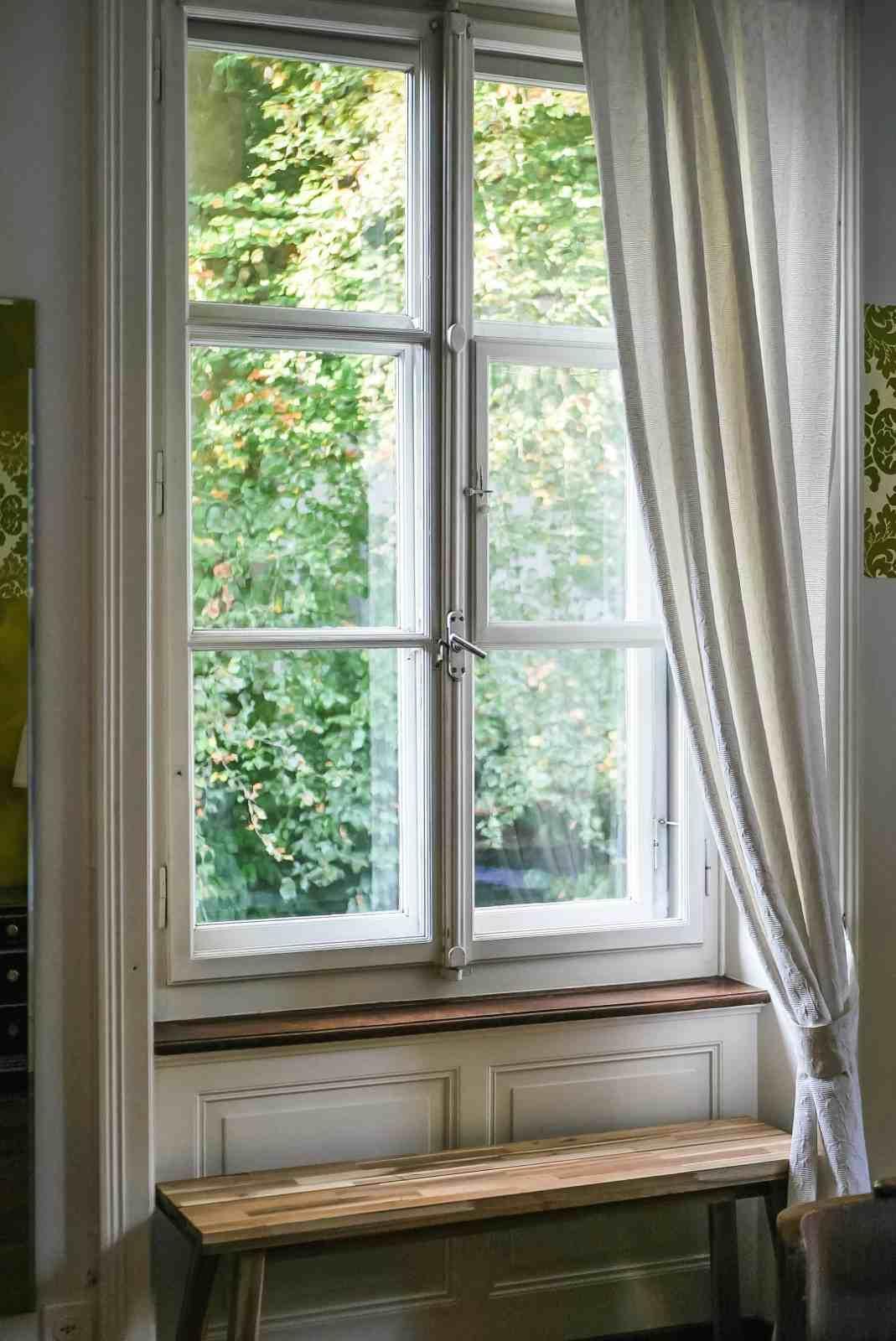
A dining room serves several purposes throughout the day. It may be a bright place for breakfast, a comfortable setting for family meals, or an inviting space for hosting guests in the evening. Window coverings influence how the room looks and feels during each of these activities. The right choice can soften incoming daylight, provide privacy, and complement the furniture without making the space feel crowded.
Fabric pleated shades offer a practical option for homeowners who want a neat window covering with a softer appearance than many traditional blinds. Their folded construction creates clean horizontal lines, while the fabric introduces texture and visual warmth. With the right material, color, and operating style, these shades can complement both traditional dining rooms and contemporary interiors.
What Makes Fabric Pleated Shades Suitable for Dining Rooms?
Fabric pleated shades consist of fabric formed into evenly spaced folds that gather compactly when the shade is raised. When lowered, the folds create a structured appearance that adds detail without requiring full-length curtains.
This design is particularly useful in dining rooms where furniture, lighting fixtures, artwork, and table settings already contribute to the room's character. A carefully selected shade can complete the window without competing with those elements.
Pleated shades also suit different window sizes and interior styles. Neutral fabrics can support a restrained, minimalist design, while textured or patterned materials can introduce a decorative accent. Their relatively compact profile makes them worth considering when there is limited space around a window or when homeowners prefer a less layered look.
The most suitable option depends on the window's dimensions, the room's lighting conditions, the desired level of privacy, and how frequently the covering will be adjusted.
How Should You Choose the Right Fabric?
Fabric selection affects more than appearance. It influences how much daylight enters the room, how clearly people can see through the window, and how the shade fits into the overall design.
Consider the room's existing colors
Start with the dining table, chairs, flooring, wall color, and nearby furnishings. If the room already contains several strong colors or decorative patterns, a simple fabric may create a more balanced result. In a room with neutral furniture, a subtle pattern or richer shade can add visual interest.
Warm whites, soft beige, muted green, and understated gray are examples of colors that can work with a range of interiors. The final choice should be based on the actual finishes and the light entering the room rather than a color trend alone.
Understand light-filtering and room-darkening fabrics
Not every dining room needs the same degree of light control. A room used primarily during daylight hours may benefit from a fabric that filters sunlight while maintaining a bright atmosphere. A dining area with strong afternoon glare may need a different level of coverage.
Room-darkening fabrics can be useful where greater light reduction is important, although they may be unnecessary in a room where natural daylight is a priority. Ask to review fabric samples in the room at different times of day before deciding.
Think about texture and visual weight
Fine textures often blend quietly into an interior, while pronounced weaves or patterns make the window a stronger design feature. Consider how the fabric looks when fully lowered and how its folds appear when raised. Both positions affect the room's appearance.
How Can Pleated Shades Help Manage Daylight and Privacy?
Dining room windows can face a garden, a neighboring property, a street, or another building. These different surroundings create different requirements for privacy and daylight.
A light-filtering pleated shade can soften direct sunlight and reduce visual glare while allowing some natural light to enter. This can help create a more comfortable setting for meals, reading, conversation, and other everyday activities.
Privacy needs may change throughout the day. A window that feels open and pleasant during breakfast may become more exposed after dark when interior lights are switched on. Fabric opacity and the window's position should therefore be considered together.
It is also important to understand that fabric shades do not necessarily provide complete privacy in every lighting condition. Some materials allow silhouettes or shapes to remain visible, particularly when the room is illuminated at night. Request samples and check their performance under both daylight and artificial light.
For homeowners comparing Window Treatments for Dining Room in Washington, DC, the main consideration is how each option performs in the actual room, rather than simply how it appears in a photograph or showroom.
What Should You Check Before Ordering Custom Shades?
Accurate measurements are essential when selecting window coverings. Even a well-chosen fabric can look unfinished if the shade is incorrectly sized or mounted in an unsuitable position.
Measure the window carefully
First, determine whether the shade will be mounted inside the window frame or outside it. An inside mount generally creates a close-fitting appearance, but the frame must have sufficient depth and suitable dimensions. An outside mount can provide greater coverage when the frame is shallow or when the design calls for the shade to extend beyond the opening.
Measure the width and height at the appropriate points according to the manufacturer's instructions. Window openings are not always perfectly square, particularly in older properties. When dimensions vary, professional measuring can help establish the most appropriate fit.
Check handles, trim, and nearby furniture
Window handles, projecting trim, radiators, and deep sills can affect how a shade operates. Dining tables and chairs may also restrict access to the window. Check these details before finalizing the mounting position.
Consider how easily the shade can be raised or lowered when the dining table is in use. The operating mechanism should be convenient without interfering with nearby furniture or decorative objects.
Choose an appropriate operating system
Manual controls can be suitable for easily accessible windows. Depending on the product, cordless or motorized operation may be available for additional convenience. Confirm the specific options, compatibility, and installation requirements before ordering.
How Can You Keep Fabric Pleated Shades Looking Their Best?
Dining rooms can expose window coverings to cooking odors from nearby kitchens, airborne dust, food splashes, and everyday handling. Although pleated shades do not normally require constant attention, regular care helps preserve their appearance.
Start by following the fabric manufacturer's cleaning instructions. Some materials may tolerate gentle dusting or light vacuuming with a suitable attachment, while others require more careful treatment. Avoid soaking the fabric or applying cleaning products unless the manufacturer confirms that they are appropriate.
For small marks, check the recommended spot-cleaning method before attempting to remove them. Excessive rubbing or unsuitable chemicals can damage the finish, alter the color, or distort the folds.
When possible, keep the shade away from direct contact with food preparation areas and ensure that nearby furniture does not repeatedly press against the fabric. Raise and lower the shade using its intended controls rather than pulling on the material itself.
Routine inspection can also reveal operating problems early. If the shade becomes uneven, sticks, or no longer folds properly, check for an obstruction and consult the supplier if the problem persists.
How Do Pleated Shades Compare With Curtains and Other Shades?
Each type of window covering offers a different combination of appearance and function.
Fabric pleated shades create a structured, compact look and can provide useful light control without extending down both sides of the window. Roller shades offer a smooth surface with fewer visible folds, making them an option for interiors that favor simple lines.
Roman shades gather into larger horizontal folds and often create a softer, more substantial fabric appearance. Curtains and drapery introduce vertical lines, frame the window, and can add fullness to a formal dining room. Depending on the design, they can also be layered with shades for greater flexibility.
No single style is automatically best for every dining room. A small space with limited wall clearance may benefit from a compact treatment, while a large room with tall windows may look more balanced with fuller drapery.
Homeowners who want both a tailored appearance and additional softness can consider combining pleated shades with side panels, provided there is enough space and the materials work together. The goal is to balance light control, privacy, ease of use, and the room's overall proportions.
What Should Washington, DC Homeowners Consider?
Dining rooms in Washington, DC can vary considerably, from compact apartment spaces to traditional rowhouses and larger residences. Window depth, existing trim, neighboring buildings, and the direction a window faces can all influence the final selection.
In a street-facing dining room, privacy may be a priority, especially after sunset. A window overlooking a garden or an open view may call for a fabric that preserves as much daylight as practical. Rooms receiving strong direct sun may need a material selected specifically for glare management.
Existing architectural details also matter. Original trim or unusually shaped openings can affect mounting options and measurements. Where a home has distinctive finishes, the window treatment should complement those features rather than conceal or compete with them.
Before making a final decision, compare fabric samples with the room's actual furnishings and observe them under different lighting conditions. For a more tailored result, discuss the window dimensions, desired privacy, preferred appearance, and operating requirements with a window-treatment professional.
Homeowners exploring Fabric Pleated Shades for Dining Rooms in Washington, DC can use these considerations to narrow their options and determine which design best suits their space.
How Can You Make the Final Decision?
Start by identifying the room's main needs. Decide whether daylight, evening privacy, decorative impact, or convenient operation matters most. Then compare suitable fabrics, measure the windows carefully, and consider how the shade will work alongside the dining table, lighting, and surrounding furnishings.
Fabric pleated shades can be an effective choice when a dining room needs a structured appearance without the visual weight of full-length curtains. Their success, however, depends on selecting the right fabric, ensuring a suitable fit, and understanding the level of privacy and light control the product can provide.
Taking time to assess these practical details makes it easier to choose a window covering that feels cohesive with the room and remains convenient for everyday use.
More details are available at: Local Business Directory
- Managerial Effectiveness!
- Future and Predictions
- Motivatinal / Inspiring
- Fitness and Wellness
- Medical & Health
- Manufacturing
- Education
- Real-Estate
- Food Industry
- Hospitality
- Online Games
- Sports
- Home Services
- Civil Engineering
- Safety and Protection
- Software Products & Services
- Fashion and Jewellery
- Artificial Intelligence
- Entrepreneurship
- Mentoring & Guidance
- Marketing
- Networking
- HR & Recruiting
- Literature
- Shopping
- Career Management & Advancement