

 SkillClick
Why Does Pet Urine Odor Keep Coming Back After Carpet Cleaning?
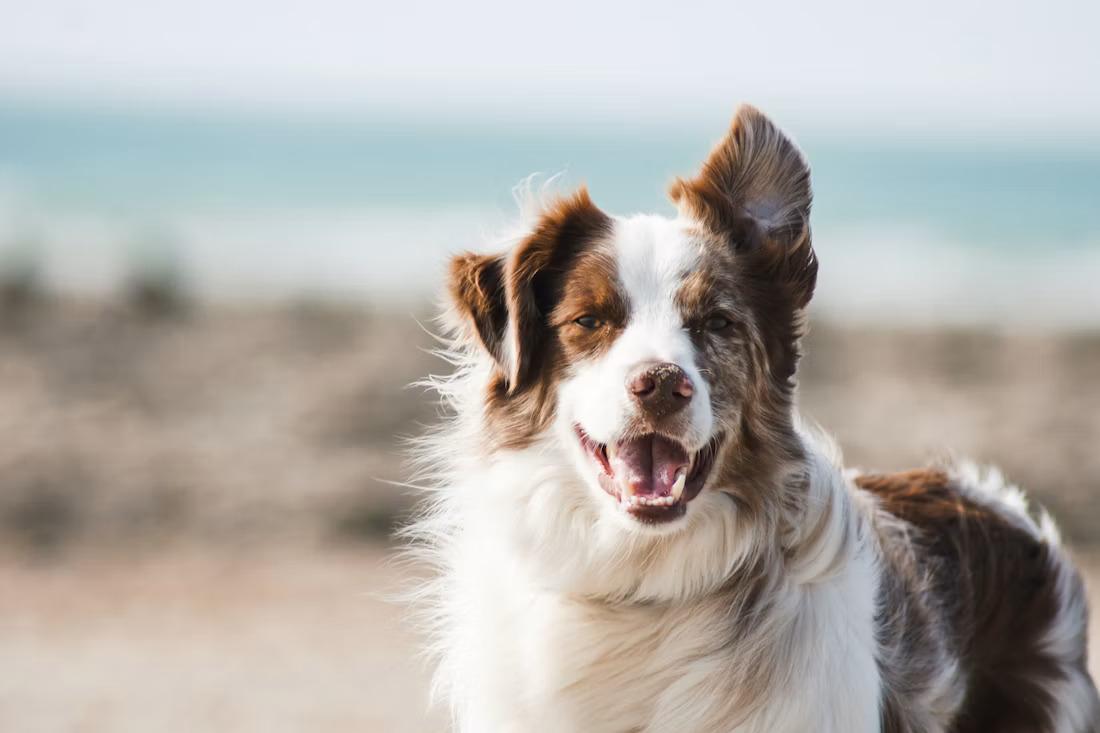
Pet accidents are a normal part of sharing a home with dogs and cats, but the lingering smell can become frustrating when ordinary cleaning does not solve the problem. A carpet may look clean, feel dry, and smell fresh immediately after treatment, only for an unpleasant odor to return later. Understanding why this happens is the first step toward choosing a more effective solution.
Pet urine can travel beyond the visible surface of carpet. Depending on the amount of liquid, carpet construction, and how quickly the accident is addressed, residue may reach the carpet backing, padding, or even the floor underneath. Cleaning only the visible spot may therefore leave some of the odor-producing material behind.
A lasting solution starts with identifying where the contamination has traveled, selecting an appropriate treatment, and allowing the affected area to receive the attention it needs.
How Pet Urine Creates Persistent Carpet Odors
Pet urine contains several compounds that can leave residue as the liquid dries. Although the initial wet spot may disappear, some of the material responsible for the smell can remain in the carpet and surrounding layers.
As the urine dries, residue can become concentrated in the affected area. Ordinary vacuuming will not remove it, and applying a scented spray may only temporarily disguise the odor. When moisture or humidity changes, previously unnoticed smells may become noticeable again.
Repeated accidents can make the situation more complicated. If an animal returns to the same location, additional urine may accumulate over existing contamination. The affected area can become larger than the visible stain suggests.
Why the Smell Returns After the Carpet Dries
A carpet that smells clean immediately after washing is not necessarily free of urine residue. Water and cleaning solutions can temporarily change how an odor is perceived, while incomplete removal may leave the original source behind.
Humidity can also influence how noticeable an existing odor becomes. If contamination remains in the carpet backing or padding, changes in moisture may make the smell more apparent.
This is why repeated surface cleaning sometimes produces only temporary improvement. The important question is not simply whether the carpet looks clean, but whether the treatment reached the material responsible for the odor.
Why Surface Cleaning May Not Be Enough
Surface cleaning is useful for many everyday spills and stains, but pet urine can present a different challenge. Carpet is a layered material, and liquid does not always remain near the top.
The depth of penetration depends on factors such as the amount of urine, the carpet's construction, the underlying padding, and how long the liquid remained before cleanup.
Carpet Fibers and Backing
The visible fibers are only one part of the carpet. Urine may travel between the fibers and into the backing that holds them together. Cleaning the upper surface without addressing deeper residue may leave an odor that gradually returns.
Carpet Padding
Padding underneath the carpet can absorb liquid and retain contamination. If a substantial amount of urine reaches this layer, cleaning the carpet fibers alone may not be sufficient.
The Subfloor Beneath the Carpet
In severe or repeated cases, urine may reach the subfloor. At that point, the problem can extend beyond routine carpet cleaning. Depending on the material and extent of contamination, additional treatment, sealing, or replacement of affected components may be necessary.
The appropriate solution should be based on an inspection rather than an assumption that every odor requires the same treatment.
What Does Effective Pet Urine Odor Removal Involve?
Effective treatment begins with understanding the affected area. A cleaning professional can assess the visible staining, identify locations where accidents may have occurred, and investigate whether the odor appears to extend beneath the carpet surface.
A careful approach generally involves several stages.
1. Identify the Affected Areas
Start by documenting the locations where accidents occurred and where smells remain noticeable. Dried urine is not always visible, so a professional may use an ultraviolet inspection light as one aid in locating suspected spots. Such a light is not definitive on its own, and findings need to be interpreted carefully.
2. Choose a Suitable Treatment
The cleaning method should match the carpet material and the nature of the contamination. Enzyme-based products designed for pet urine may help break down particular odor-producing organic residues when used according to their instructions. Other treatments may be appropriate for different materials or conditions.
Product selection matters. Some chemicals can damage carpet fibers, affect dyes, or react poorly when combined with other cleaners. Avoid mixing cleaning products, and follow the manufacturer's safety directions.
3. Treat the Contaminated Material
The treatment needs to reach the affected area without unnecessarily saturating the carpet or damaging the underlying floor. Where contamination has penetrated deeper layers, a surface-only application may not address the entire problem.
This is where professional assessment can be especially useful. A technician can determine whether targeted treatment is reasonable or whether the padding or subfloor requires additional attention.
For households dealing with recurring smells, Pet Urine Odor Removal from Carpet is a useful service topic to explore when evaluating appropriate cleaning options in Huntsville.
4. Allow the Treatment to Work
Different products have different application requirements and recommended contact times. Rinsing too early or allowing an area to remain excessively wet can interfere with the intended process.
Follow the product directions and the technician's guidance. Adequate ventilation and drying also matter because persistent dampness can introduce a separate odor problem.
5. Reassess the Result
Once the carpet has dried, check whether the original smell remains. If the odor returns, the source may not have been fully addressed, or contamination may exist in a deeper layer. Further inspection is preferable to repeatedly applying deodorizer without identifying the cause.
Can Home Remedies Permanently Remove Pet Urine Smells?
Prompt cleanup can make a meaningful difference. For a fresh accident, absorb the liquid with clean towels by blotting rather than aggressively rubbing the carpet. Rubbing can spread the affected area and work residue farther into the fibers.
After absorbing as much liquid as possible, use a carpet-compatible cleaning product intended for pet accidents and follow its instructions. Test products in an inconspicuous area first, particularly on delicate or color-sensitive carpet.
Avoid using heat or steam without checking the carpet manufacturer's guidance and the cleaning product's directions. Heat may affect some stains, while inappropriate moisture or chemicals can create additional problems.
Vinegar, baking soda, and scented deodorizers are often suggested as household solutions. Their effectiveness depends on the type and extent of contamination, and they should not be assumed to remove urine residue from carpet padding or the subfloor. Fragrance can make an odor less noticeable without eliminating its source.
For older accidents, widespread contamination, or smells that repeatedly return, professional assessment may be more practical than trying multiple products.
How Can You Prevent Pet Odors from Returning?
Prevention begins with responding quickly to new accidents. Blot fresh urine promptly, use a suitable cleaner, and allow the area to dry according to the product instructions. Avoid covering a damp spot with furniture or rugs before it has dried completely.
Regular vacuuming helps remove pet hair, loose dirt, and other debris, although vacuuming alone will not remove urine residue. Periodic carpet cleaning can support general maintenance, but heavily contaminated areas may need targeted treatment rather than routine cleaning alone.
It is also useful to watch for repeated accidents in the same location. Lingering odor may encourage a pet to revisit a spot, while a change in bathroom habits can sometimes indicate a behavioral or health issue. Consult a veterinarian if accidents are unusual, frequent, or accompanied by other concerning symptoms.
For multi-pet households, keep a simple record of affected rooms and previous cleanup attempts. This can help identify recurring problem areas and give a cleaning professional useful information during an assessment.
When Should You Call a Carpet Cleaning Professional?
Professional help is worth considering when the odor persists despite appropriate cleaning, returns after drying, affects multiple areas, or appears to originate beneath the carpet. Large accidents and repeated contamination may also require more than a standard spot cleaner can provide.
Before scheduling a service, explain what happened, which products have already been applied, how often the odor returns, and whether the carpet or padding has previously been treated. Ask what the inspection includes, which treatment is proposed, and whether deeper contamination could require additional work.
It is also reasonable to ask about expected drying time, product precautions, and the limitations of the proposed treatment. No cleaning method can guarantee the same outcome in every situation, particularly when urine has damaged the carpet or penetrated the subfloor.
A Cleaner Carpet Starts with Finding the Source
Persistent pet urine odor is often a sign that residue remains somewhere in the carpet system, not necessarily that the entire carpet needs replacing. The right next step depends on how far the urine traveled, the carpet material, and the severity of the contamination.
Prompt cleanup, suitable cleaning products, careful drying, and a realistic assessment of deeper layers can help homeowners make informed decisions. When the smell continues to return, identifying and treating the source is more useful than repeatedly masking the odor.
A methodical approach can help protect the carpet, reduce unnecessary repeat cleaning, and restore greater confidence in the freshness of the home.
More details are available at: Local Business Directory
- Managerial Effectiveness!
- Future and Predictions
- Motivatinal / Inspiring
- Fitness and Wellness
- Medical & Health
- Manufacturing
- Education
- Real-Estate
- Food Industry
- Hospitality
- Online Games
- Sports
- Home Services
- Civil Engineering
- Safety and Protection
- Software Products & Services
- Fashion and Jewellery
- Artificial Intelligence
- Entrepreneurship
- Mentoring & Guidance
- Marketing
- Networking
- HR & Recruiting
- Literature
- Shopping
- Career Management & Advancement