

 SkillClick
Should You Choose Light-Filtering or Blackout Cellular Shades for Street-Facing Rooms?
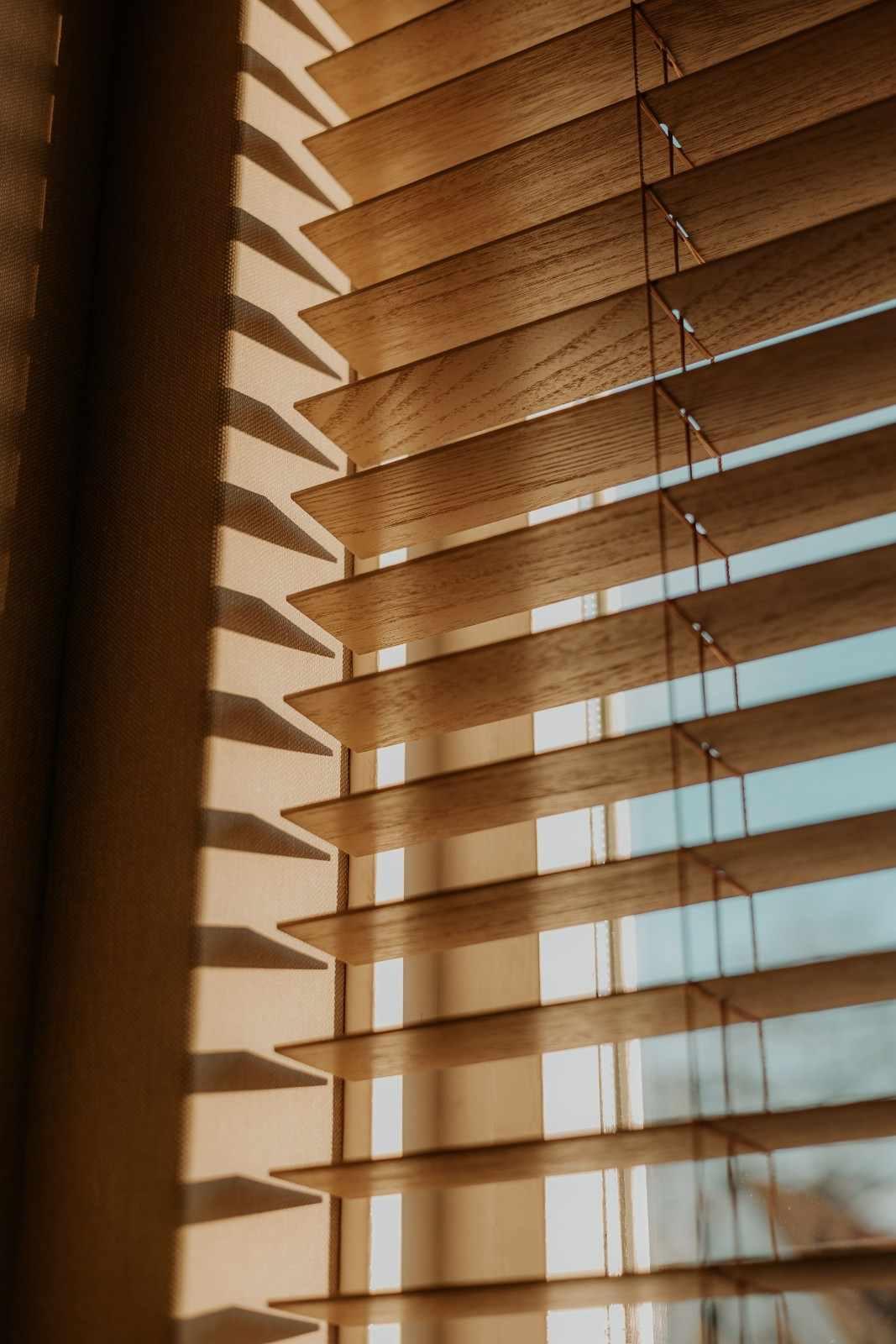
Street-facing windows create a common challenge: how can a room receive comfortable natural light without making its occupants feel exposed to people walking past? The answer depends on the window's position, the room's purpose, the amount of daylight it receives, and the level of privacy needed throughout the day.
Cellular shades offer a practical way to manage these competing needs. Their honeycomb-shaped construction creates small air pockets that help reduce heat transfer through windows, while different fabric opacities allow homeowners to choose how much light enters the room. However, light-filtering and blackout fabrics serve different purposes, and selecting the right one requires more than choosing a color that matches the decor.
For homeowners in Washington, DC, where street-level windows, closely spaced buildings, and varied architectural styles can influence privacy requirements, understanding these differences helps make window-treatment decisions more effective.
What Is the Difference Between Light-Filtering and Blackout Cellular Shades?
The primary difference is how much light passes through the shade fabric and how much visual privacy the material provides.
Light-filtering cellular shades soften incoming daylight rather than eliminating it. They can brighten a room while reducing harsh glare, making them suitable for spaces where natural illumination remains important. Depending on the specific fabric, however, silhouettes or shapes may still be visible under certain lighting conditions.
Blackout cellular shades are designed to block virtually all light passing through the fabric. They are particularly useful in bedrooms, nurseries, and media rooms where darkness is a priority. Nevertheless, light can still enter around the shade's edges, so blackout fabric alone does not guarantee a completely dark room.
These differences matter most when windows face sidewalks, nearby residences, or shared outdoor spaces. The best choice balances the desired level of privacy with the amount of daylight the household wants to preserve.
When Are Light-Filtering Cellular Shades the Better Choice?
Light-filtering fabrics are often appropriate for rooms that benefit from a bright, comfortable atmosphere throughout the day. Instead of creating a dark interior, they diffuse incoming sunlight and help soften the contrast between bright windows and indoor surfaces.
Living rooms and daytime gathering spaces
A street-facing living room may need privacy without losing its welcoming character. Light-filtering shades can reduce direct glare while allowing diffused daylight to enter. This is especially helpful when the room contains reading areas, seating near the window, or furnishings that benefit from natural illumination.
The exact privacy level depends on the fabric. A material that obscures clear views during daylight may perform differently after sunset when indoor lights are switched on. Homeowners should assess the shade under both conditions rather than assuming that daytime performance guarantees nighttime privacy.
Home offices and work areas
Office windows can introduce distracting glare on computer screens, particularly when sunlight strikes the desk directly. Light-filtering cellular shades can soften the incoming light while keeping the room usable during working hours.
Window orientation, screen placement, and the shade's opacity all affect the result. A west-facing window, for example, may require stronger glare control during afternoon hours than a window receiving indirect morning light.
Kitchens and multipurpose rooms
Kitchens and other frequently used spaces often benefit from daylight rather than complete darkness. Light-filtering shades provide a middle ground between an uncovered window and a fully opaque covering. Before selecting a product, consider moisture, cleaning requirements, window access, and the manufacturer's care instructions.
When Should You Choose Blackout Cellular Shades?
Blackout fabrics are worth considering when the main objective is limiting incoming light and improving privacy. They can be especially helpful in rooms where outdoor lighting, early morning sunshine, or nearby windows interfere with rest.
Bedrooms facing the street
Street-facing bedrooms can be exposed to vehicle headlights, exterior fixtures, and light from neighboring buildings. Blackout cellular shades reduce light passing through the fabric and can make the room more suitable for sleeping.
The mounting arrangement also matters. If the shade sits inside the window frame with noticeable gaps at the sides, light may still enter the room. An appropriately sized outside mount or another compatible light-gap solution may improve coverage, provided the window and installation conditions allow it.
Nurseries and media rooms
Nurseries may require a darker environment for daytime naps, while media rooms benefit from reduced glare during viewing. In these spaces, blackout material can provide more useful light control than a fabric designed primarily to diffuse sunlight.
Consider how frequently the room needs daylight, too. A blackout shade that remains closed throughout the day may not be ideal if the room also serves as a play area, home office, or family gathering space. In multipurpose rooms, flexible operating options can make the window covering more practical.
How Do Cellular Shades Help With Comfort and Insulation?
Light control is only one consideration when selecting cellular shades. Their distinctive construction also influences how they perform at the window.
The honeycomb cells contain pockets of air that help reduce heat transfer. This can support a more comfortable indoor environment when outdoor temperatures fluctuate. Actual performance depends on the product, window construction, installation quality, and other conditions; no shade should be assumed to eliminate drafts or solve every insulation problem.
For Washington, DC homes, the combination of summer heat, winter cold, and street-facing glass makes window performance worth considering alongside appearance. A homeowner might choose light-filtering fabric for a sunny living room while preferring blackout material for a bedroom that needs greater darkness.
It is important to distinguish fabric opacity from insulating performance. A blackout fabric is not automatically the best insulating choice in every product range. Compare the available cellular construction, specifications, and installation options rather than relying on the word "blackout" alone.
What Should You Consider Before Selecting a Shade?
Choosing the right fabric starts with the room's actual conditions. A few practical checks can help narrow the options before ordering.
Assess daytime and nighttime privacy
Stand near the window during daylight and after dark, with indoor lights switched on. Consider whether passersby can see recognizable details, whether silhouettes are a concern, and whether the window overlooks another building.
If nighttime privacy is especially important, remember that light-filtering fabric may not provide the desired screening when the room is illuminated. A sample viewed against the actual window can help reveal differences that are difficult to judge from a product photograph.
Check window depth and mounting space
Measure the window opening and inspect the frame, trim, handles, and nearby obstructions. Inside mounting can create a neat, integrated appearance, but the window may not have sufficient depth for every product. Outside mounting can provide more overlap and help reduce light gaps.
Follow the selected manufacturer's measuring instructions and confirm the mounting requirements before ordering. Accurate measurements are particularly important for older homes and windows with unusual dimensions.
Compare fabric colors and room finishes
Fabric color affects the visual appearance of a shade and can influence the room's overall brightness. Look at samples in the room where they will be installed, because daylight changes throughout the day and indoor lighting changes how colors appear.
Also consider how the shades will look from outside. Some residential buildings have preferences or requirements concerning the outward-facing appearance of window coverings, so check any applicable building guidelines before making a final selection.
For homeowners comparing options for Levolor Honeycomb Cellular Shades for Street-Facing Rooms, the most useful approach is to evaluate opacity, mounting, window dimensions, and the room's daily use together rather than treating any single feature as the deciding factor.
Can You Get Both Daylight and Greater Privacy?
Yes. A window treatment does not have to serve the same purpose at every hour. The right arrangement depends on how the room is used and which operating options are available for the chosen product.
Top-down/bottom-up cellular shades, where offered, allow the homeowner to lower the top portion to admit daylight while keeping the lower part of the window covered. This can be useful when privacy is needed at street level, but natural light remains desirable.
Another option is layering cellular shades with curtains. The shade handles much of the everyday light control, while the curtain adds another layer for privacy, softness, or decorative impact. This arrangement can work particularly well in living rooms and bedrooms where the interior design calls for a more finished appearance.
Product compatibility varies, so confirm which lift styles and fabric combinations are available for the selected model. A flexible arrangement is useful only if it suits the actual window and can be operated comfortably.
How Do You Choose the Right Cellular Shades in Washington, DC?
Start by identifying the problem each window needs to solve. A bedroom facing a busy street may need blackout fabric and improved edge coverage. A living room may benefit more from diffused daylight and a privacy level appropriate to its surroundings. A home office may need glare reduction without making the workspace unnecessarily dark.
Next, compare samples, check mounting conditions, and establish whether the building has any requirements for window coverings. Consider insulation and appearance alongside privacy, but avoid assuming that one fabric or mounting style will be ideal for every room.
For a coordinated result, assess the windows individually while maintaining a consistent visual style throughout the home. The most successful choice is the one that meets the room's practical needs, works with the existing architecture, and remains convenient to operate.
Conclusion
Light-filtering and blackout cellular shades solve different problems. Light-filtering fabrics help maintain a bright interior while softening daylight, whereas blackout fabrics prioritize darkness and stronger privacy through the material. Neither option automatically eliminates light around the edges, and the best result depends on the window, mounting method, room use, and chosen fabric.
By comparing these factors before ordering, homeowners can select cellular shades that balance comfort, privacy, natural light, and interior design. A room-by-room approach makes it easier to create window treatments that feel appropriate for everyday life rather than choosing the same solution for every window.
More details are available at: Local Business Directory
- Managerial Effectiveness!
- Future and Predictions
- Motivatinal / Inspiring
- Fitness and Wellness
- Medical & Health
- Manufacturing
- Education
- Real-Estate
- Food Industry
- Hospitality
- Online Games
- Sports
- Home Services
- Civil Engineering
- Safety and Protection
- Software Products & Services
- Fashion and Jewellery
- Artificial Intelligence
- Entrepreneurship
- Mentoring & Guidance
- Marketing
- Networking
- HR & Recruiting
- Literature
- Shopping
- Career Management & Advancement