

 SkillClick
Lipo Laser Machine: Understanding Low-Level Laser Technology
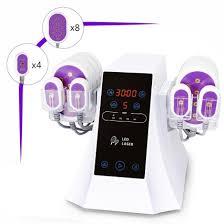
Aesthetic technology has developed significantly, with various non-invasive devices now used in professional beauty and cosmetic environments. Laser-based systems are among the technologies used for body-focused aesthetic procedures. A lipo laser machine generally refers to equipment that delivers low-level laser energy through external applicators positioned on selected areas of the body. Understanding its technology, operating principles, and professional considerations can help provide a clearer picture of how these systems differ from surgical procedures.
What Is a Lipo Laser Machine?
A lipo laser machine is an aesthetic device designed to use low-level laser light as part of non-invasive body-contouring procedures. Unlike surgical liposuction, it does not involve inserting instruments into the body or mechanically removing tissue.
These systems commonly use external pads or applicators that are positioned over the treatment area. The device then delivers laser energy according to its specific wavelength, output, treatment duration, and operating settings.
How Low-Level Laser Technology Works
Low-level laser technology uses light energy at relatively low intensities. In aesthetic applications, the light is delivered externally through specialized applicators rather than through an invasive procedure.
The interaction between low-level light and biological tissue is an area of continuing scientific research. Different devices can use different wavelengths and technical configurations, so the exact operating characteristics should always be considered when evaluating an individual system.
Difference Between Laser-Based Procedures and Liposuction
Laser-based body-contouring equipment should not be confused with surgical liposuction. Liposuction is an invasive surgical procedure that uses specialized instruments to remove fat tissue from the body.
External laser systems operate differently. They are designed to deliver energy through the skin without surgical removal of tissue. This distinction is important when researching aesthetic technologies because the procedures, mechanisms, risks, and expected outcomes are not the same.
Main Components of Laser-Based Aesthetic Equipment
The design of aesthetic laser systems can vary considerably, but several components are commonly found.
Laser Applicators
External applicators are positioned over selected areas during a session. Their shape, size, and configuration depend on the particular device.
Control Panel
A digital control interface may allow operators to adjust available settings such as treatment time, operating modes, or energy levels.
Laser Output System
The laser source determines the wavelength and output characteristics of the device. These technical specifications are important for understanding the intended application of the equipment.
Adjustable Treatment Programs
Some systems provide different operating programs or settings for specific professional applications. The available options depend on the equipment model.
Factors That Influence Equipment Selection
Professionals evaluating laser-based aesthetic equipment should consider several technical factors before choosing a particular system.
Wavelength
Wavelength affects how light interacts with different materials and tissues. It is therefore an important specification when determining the intended application of a laser device.
Power and Energy Settings
Output characteristics can vary between machines. The appropriate setting depends on the technology, application, and manufacturer's operating instructions rather than simply selecting the highest available output.
Applicator Configuration
The number and arrangement of applicators can affect how a device is used in a professional environment. Multiple applicators may allow different areas to be addressed during the same session, depending on the system.
Ease of Operation
Clear controls, readable displays, and straightforward operating procedures can make equipment easier to manage in a professional setting.
MyChway and Aesthetic Equipment
MyChway is associated with a range of aesthetic equipment incorporating different technologies for professional beauty and cosmetic environments. When evaluating any aesthetic device, it is useful to examine its technical specifications, intended applications, operating instructions, and safety information.
Rather than focusing only on appearance or promotional claims, professionals can assess equipment according to its technical design and suitability for their particular working environment.
Safety Considerations
Laser equipment should be operated by individuals who understand the technology and follow the manufacturer's instructions. Appropriate eye protection and other safety measures may be necessary depending on the laser wavelength and equipment design.
A professional assessment of the treatment area and individual circumstances is also important before carrying out an aesthetic procedure. Equipment should be maintained according to the manufacturer's recommendations, and operators should understand the relevant safety procedures.
Understanding Before-and-After Results
Before-and-after photographs are often used to document aesthetic procedures, but they should be interpreted carefully. Differences in lighting, camera position, treatment intervals, number of sessions, and individual characteristics can influence how results appear.
Photographs can provide examples of changes over time, but they should not be treated as a guarantee of identical results for every individual. Realistic expectations should be based on the specific procedure, technology, and professional assessment.
Conclusion
A lipo laser machine is a type of non-invasive aesthetic equipment that uses externally delivered laser energy for body-focused cosmetic applications. Its operating principles and technical characteristics differ from those of surgical liposuction, making it important to understand the distinction between these approaches.
When researching laser-based aesthetic equipment, factors such as wavelength, output, applicator design, control options, safety requirements, and operating instructions can provide useful information for evaluating a system. Understanding these aspects offers a more balanced view of how aesthetic laser technology is used in professional environments.
- Managerial Effectiveness!
- Future and Predictions
- Motivatinal / Inspiring
- Fitness and Wellness
- Medical & Health
- Manufacturing
- Education
- Real-Estate
- Food Industry
- Hospitality
- Online Games
- Sports
- Home Services
- Civil Engineering
- Safety and Protection
- Software Products & Services
- Fashion and Jewellery
- Artificial Intelligence
- Entrepreneurship
- Mentoring & Guidance
- Marketing
- Networking
- HR & Recruiting
- Literature
- Shopping
- Career Management & Advancement