

 SkillClick
10 Ways to Improve Operational Efficiency Through Better Project Management
Why do the same three problems — missed deadlines, budget overruns, team confusion — keep showing up on every project, regardless of Industry?
The pattern isn't a coincidence. It is typically a process problem hiding behind what looks like a people problem. And it's exactly the gap professionals pursuing an online MBA in operations and project management are trained to close — not with more meetings, but with better systems.
Operational efficiency doesn't come from working harder. It comes from removing the friction that quietly drains time, budget, and morale on every project. Here are ten shifts that make the difference, and the thinking behind each one.
What Actually Works: 10 Effective Steps
1. Define Project Scope Before Anything Else
Scope creep hardly ever makes itself known. It sneaks in by way of little, seemingly rational requests that add up. Early locking of scope with well-defined boundaries that are mutually agreed upon prevents projects from quietly expanding past their original budget and timeline.
2. Choose Agile or Hybrid Over Rigid Planning
Conventional, inflexible project plans fail when the moment conditions change, and conditions always change. Agile or hybrid models introduce flexibility to the process itself, so teams aren't forced to shut down the entire project.
3. Let Software Handle What Humans Shouldn't
Manual tracking is prone to human error, and human error magnifies over large projects. Project management software will automate status reports, identify delays early, and liberate managers to make decisions rather than input data.
4. Set SMART KPIs at Every Phase
Unclear objectives generate unclear responsibility. Clear objectives set by specific, measurable checkpoints at every stage of the project provide a clear objective to the teams and an early warning system to the managers when something has gotten off track.
5. Break Down Communication Gaps With Centralized Updates
The majority of the delays can be traced to the information being in the inbox of a single team rather than on the dashboard of all the people. The centralized updates ensure that cross-functional teams are kept in sync in real time, eliminating the back and forth that consumes whole workdays.
6. Allocate Resources With Intention, Not Habit
Matching the right people to the right job at the right time sounds obvious — but most teams struggle to do it well. Intentional resourcing fixes this on both ends: it prevents burnout and avoids idle capacity.
7. Conduct Risk Assessments Before It’s a Crisis
The bottlenecks do not come out of nowhere; they can be easily spotted by anybody several weeks beforehand. These signals are detected early by regular risk assessment, and the potential crisis is transformed into adjustments that can be managed.
8. Construct Continuous Feedback Loops
It is pointless to have to wait until the project is over to be able to assess what went wrong because it would be a repeat of the error. In the case of continuous feedback loops, real-time correction is much cheaper than fixing the damage once it's already done.
9. Standardize Workflows So Quality Doesn't Depend on Memory
Consistency is a challenge when all projects are on ad hoc processes. Standardized workflows and SOPs remove the guesswork, reducing rework and making onboarding new team members far smoother.
10. Invest in Real Project Management Training
Tools and frameworks only go as far as the people using them. Competent project managers make fewer expensive mistakes, identify risks sooner, and command teams with confidence.
Where Structured Learning Fits In
It is one thing to read about these fixes. Using them in practice, over actual projects involving actual stakeholders, is where most practitioners require systematic assistance.
This is exactly where a top online MBA built for practicing managers earns its value.
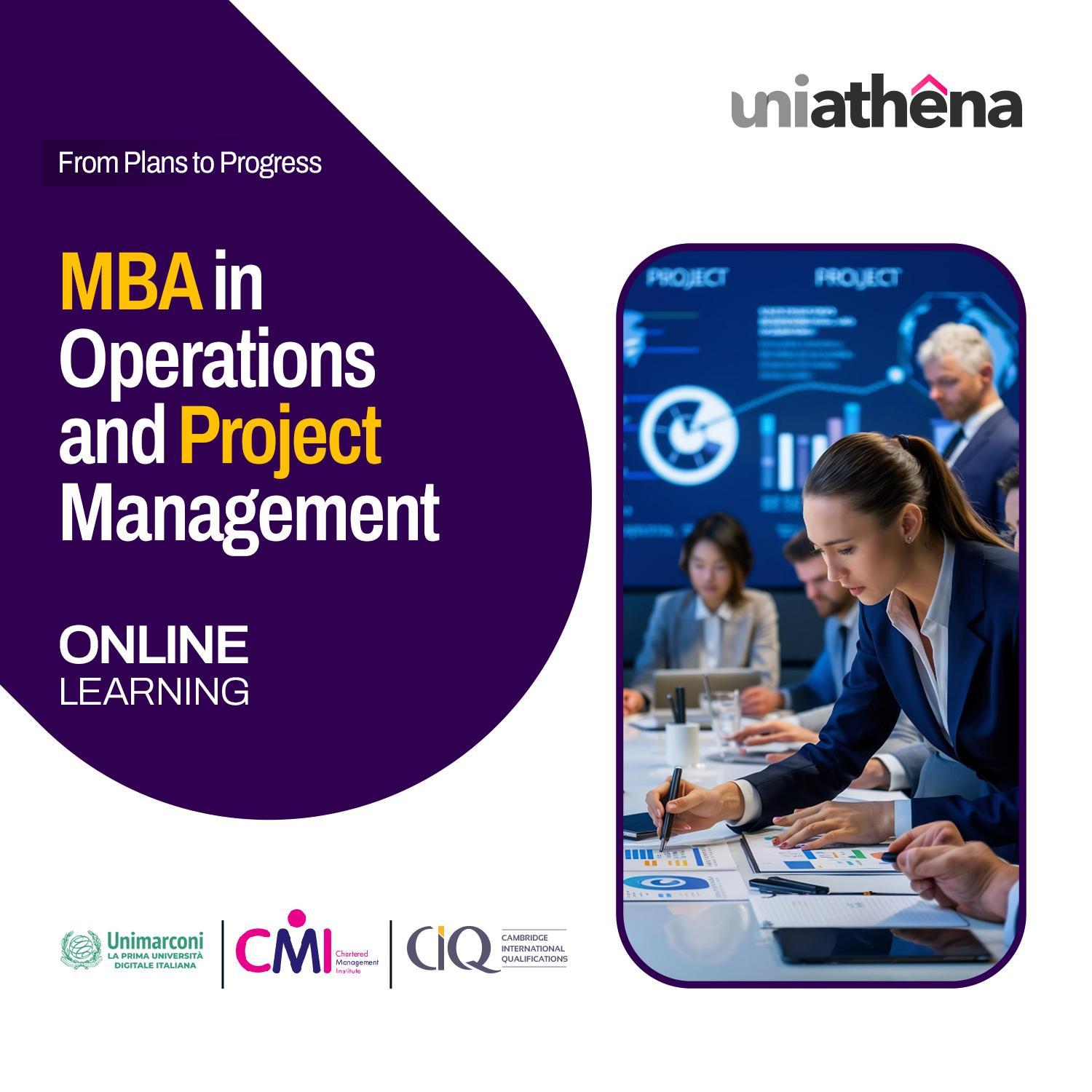
The specialised MBA in Operations and Project Management at UniAthena, in collaboration with Guglielmo Marconi University, Italy, equips professionals with practical, application-centric learning — backed by dedicated tutors and flexible online delivery. Graduates are prepared for strategic roles across operations, project management, consultancy, risk management, inventory management, and more.
The best part? You will walk away with additional credentials that include a Postgraduate Diploma in Operations & Project Management from CIQ, UK, and Certified Project Management Professional status from the CMI, UK, validating your expertise.
The same project problems don't have to resurface every quarter. Start the 7-day free trial and build the systems that prevent them for good.
- Managerial Effectiveness!
- Future and Predictions
- Motivatinal / Inspiring
- Fitness and Wellness
- Medical & Health
- Manufacturing
- Education
- Real-Estate
- Food Industry
- Hospitality
- Online Games
- Sports
- Home Services
- Civil Engineering
- Safety and Protection
- Software Products & Services
- Fashion and Jewellery
- Artificial Intelligence
- Entrepreneurship
- Mentoring & Guidance
- Marketing
- Networking
- HR & Recruiting
- Literature
- Shopping
- Career Management & Advancement