

 SkillClick
Press Tool: Mastering Precision and Innovation in Modern Manufacturing
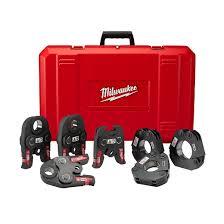
In today’s fast-evolving industrial landscape, precision, consistency, and efficiency are non-negotiable. A Press Tool is a quintessential instrument that empowers manufacturers to convert raw materials into meticulously crafted components with unparalleled accuracy. Whether it is in automotive production, electronics fabrication, or high-end aerospace engineering, press tools form the backbone of modern manufacturing excellence.
This article explores the essence of press tools, their diverse applications, benefits, and why they are indispensable in contemporary industry.
What is a Press Tool?
A Press Tool is an engineered device designed to operate with a press machine to perform operations such as cutting, bending, forming, stamping, or shaping materials. Predominantly used with sheet metals, press tools utilize a combination of punches, dies, and controlled mechanical force to achieve precise dimensions and high-quality finishes.
Unlike ordinary tools, press tools are designed for high-volume, repetitive operations, guaranteeing uniformity across every manufactured component.
The Working Principle of a Press Tool
The functionality of a Press Tool is based on precision engineering and controlled mechanical force:
-
Punch: Transfers force to the workpiece to shape or cut it
-
Die: Provides a cavity or mold to guide material transformation
-
Press Machine Ram: Applies consistent downward pressure
-
Ejector Mechanism: Removes the finished component safely and efficiently
This coordinated system enables the production of complex, identical parts at high speed with minimal errors.
Types of Press Tools
Modern manufacturing demands versatility, which is why press tools come in various types:
🔹 Blanking Tools
Designed to cut precise shapes from sheets, reducing post-processing and ensuring clean edges.
🔹 Bending Tools
Used to form angles or curves in metal sheets without causing material deformation.
🔹 Drawing Tools
Transform flat sheets into cylindrical or hollow structures for advanced fabrication.
🔹 Progressive Press Tools
Perform multiple sequential operations in a single cycle, optimizing productivity and reducing labor intervention.
🔹 Combination Press Tools
Integrate cutting and forming actions within one operation for maximum efficiency and accuracy.
Advantages of Press Tools
⚡ Exceptional Productivity
Press tools streamline production processes, reducing labor requirements and cycle times.
🎯 Unmatched Precision
Maintains tight tolerances for every component, ensuring consistent quality and minimizing waste.
💰 Cost-Effectiveness
Ideal for mass production, reducing per-unit manufacturing costs while improving ROI.
🔄 Reproducibility
Delivers uniform output across thousands of cycles, essential for industrial-scale operations.
🛡 Safety Enhancement
Automation reduces operator exposure to hazardous tasks, promoting workplace safety.
Industrial Applications
The versatility of the Press Tool spans multiple industries:
-
Automotive: Body panels, chassis, and engine components
-
Aerospace: Precision metal structures and intricate assemblies
-
Electronics: Metal housings, brackets, and connectors
-
Consumer Appliances: Fabrication of home appliance components
-
Construction: Metal fittings, frameworks, and infrastructure elements
Its adaptability makes it invaluable for both large-scale production and highly specialized manufacturing tasks.
Choosing the Right Press Tool
Selecting the ideal Press Tool involves careful consideration of several factors:
-
Material Properties: Thickness, hardness, and malleability
-
Production Volume: High-volume operations benefit from progressive or combination tools
-
Precision Needs: Complex designs require high-accuracy tooling
-
Durability: Long-lasting construction ensures sustained performance
-
Cost-Benefit Analysis: Balancing investment with productivity gains
Maintenance Tips for Longevity
-
Regularly inspect for wear, misalignment, or damage
-
Lubricate moving components consistently
-
Replace worn punches or dies promptly
-
Train operators on proper handling techniques
Proper maintenance minimizes downtime and ensures uninterrupted, efficient production.
Future Innovations in Press Tools
The press tool industry is evolving rapidly due to technological advancements:
-
Smart Automation: CNC and AI-driven systems for enhanced precision
-
Advanced Materials: High-strength alloys for durability and reliability
-
Real-Time Monitoring: Sensors track wear and optimize performance
-
Digital Design Integration: Software-driven modeling for complex geometries
These innovations continue to redefine manufacturing capabilities, making press tools more intelligent, versatile, and efficient than ever before.
Conclusion
A Press Tool is more than a manufacturing instrument—it is a strategic asset that drives precision, productivity, and operational excellence. Its ability to consistently produce high-quality components makes it indispensable across modern industries.
By selecting the right press tool, understanding its capabilities, and maintaining it diligently, manufacturers can achieve superior results, reduce costs, and maintain a competitive edge in today’s industrial ecosystem.
BLOG FOR MORE UPDATE : CLICK HERE
- Managerial Effectiveness!
- Future and Predictions
- Motivatinal / Inspiring
- Fitness and Wellness
- Medical & Health
- Manufacturing
- Education
- Real-Estate
- Food Industry
- Hospitality
- Online Games
- Sports
- Home Services
- Civil Engineering
- Safety and Protection
- Software Products & Services
- Fashion and Jewellery
- Artificial Intelligence
- Entrepreneurship
- Mentoring & Guidance
- Marketing
- Networking
- HR & Recruiting
- Literature
- Shopping
- Career Management & Advancement