

 SkillClick
What Should Be Checked When Preparing a Property for a Change of Occupancy?
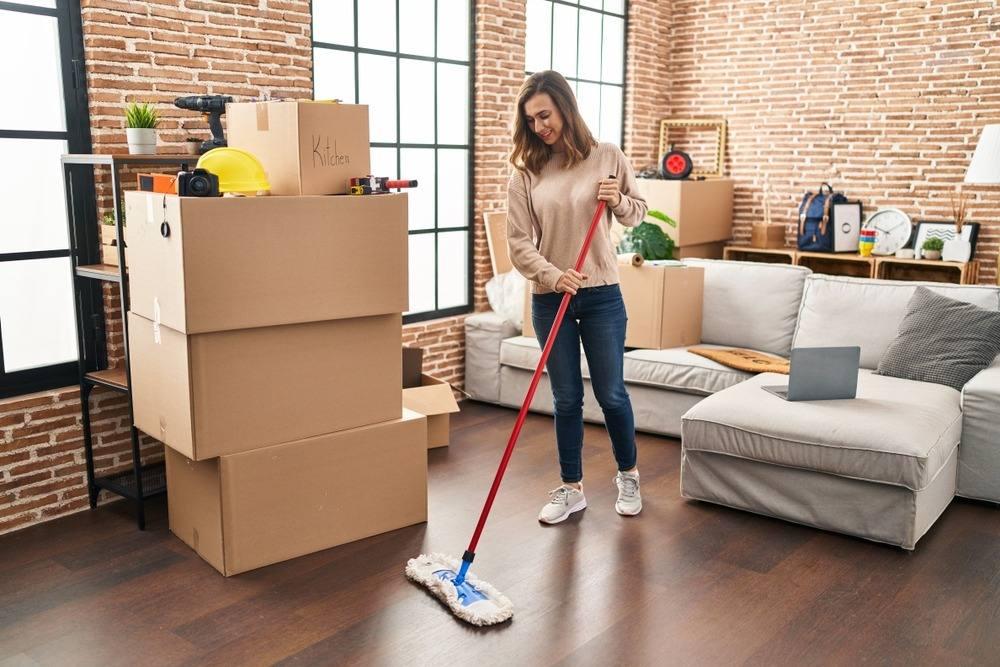
Changing homes is a significant process that involves several responsibilities beyond packing belongings and arranging transportation. Whether someone is leaving an existing property or preparing to settle into a new one, cleanliness plays an important role in making the transition easier. Floors, cabinets, bathrooms, kitchens, windows, and storage spaces may contain dust, stains, or residue left behind through everyday use. Preparing these areas properly helps create a more organized environment for the next stage of occupancy.
Property preparation, end-of-tenancy housekeeping, vacant home maintenance, and residential sanitation are closely connected to moving activities. A property that has been occupied for several months or years may require attention to areas that are not included in ordinary weekly cleaning. Planning these tasks in advance can help reduce last-minute responsibilities and make the moving process more manageable.
1. Why Cleanliness Matters During a Property Transition
A property changes condition as people move in and out. Furniture is removed, storage areas are emptied, and previously covered surfaces become visible.
These changes often reveal dust, marks, and accumulated debris that may have remained unnoticed behind appliances, wardrobes, sofas, and other belongings.
Cleaning during a property transition serves several purposes:
-
Removes ordinary dirt left behind by daily activities.
-
Makes floors and surfaces easier to inspect.
-
Helps prepare rooms for new furniture and belongings.
-
Allows occupants to identify maintenance issues.
-
Creates a more organized environment for the next occupants.
-
Reduces the amount of cleaning required immediately after moving.
The amount of cleaning necessary depends on the property's condition, size, and previous usage.
2. Creating a Cleaning Checklist Before Moving
Planning is one of the most useful steps during a property transition. Moving activities can become complicated when packing, transportation, paperwork, and cleaning responsibilities overlap.
A written checklist helps divide the work into smaller tasks.
Kitchen Checklist
The kitchen should receive attention because food preparation can leave grease, crumbs, and residue on different surfaces.
Important areas include:
-
Countertops and backsplashes.
-
Cabinet doors and handles.
-
Sink and faucet surfaces.
-
Refrigerator interiors and exteriors.
-
Oven and suitable appliance surfaces.
-
Floors and accessible corners.
Appliance cleaning should follow manufacturer instructions. Electrical equipment should be disconnected where required before cleaning.
Bathroom Checklist
Bathrooms may contain soap residue, water deposits, and moisture-related buildup.
Check the following areas:
-
Toilets and surrounding surfaces.
-
Washbasins and faucets.
-
Shower walls and doors.
-
Mirrors and storage cabinets.
-
Bathroom floors.
-
Grout lines and accessible corners.
Ventilation should be maintained during cleaning, particularly when using cleaning products with strong odors.
Bedroom Checklist
Bedrooms can contain dust behind furniture, inside wardrobes, and around window frames.
Before leaving, check:
-
Wardrobe interiors.
-
Shelves and drawers.
-
Window sills.
-
Baseboards.
-
Closet floors.
-
Carpeted or hard flooring.
These areas may require additional attention after furniture and personal belongings have been removed.
3. The Difference Between Preparing an Empty and Furnished Property
An empty property often allows easier access to flooring, walls, corners, and other surfaces. However, it may also reveal areas that were previously covered by furniture.
A furnished property presents different challenges because cleaning must be organized around existing belongings.
Empty Properties
When rooms are vacant, floors and corners become more accessible. This makes it easier to clean areas beneath furniture that were previously difficult to reach.
However, empty rooms may also expose marks, scratches, and other maintenance concerns.
Furnished Properties
Cleaning around furniture requires more careful planning. Items may need to be moved when practical, while delicate belongings should be protected from cleaning products and moisture.
Furniture should never be moved without considering its weight, construction, and the risk of damaging the flooring.
Partially Vacant Properties
Some homes are cleaned while occupants are still packing. In these situations, it is helpful to clean completed rooms first and leave frequently used spaces until later.
This approach prevents unnecessary repetition.
4. Cleaning Different Surfaces Before Occupancy Changes
Different surfaces require different cleaning methods. Using one product throughout an entire property may cause damage to certain materials.
Hardwood Floors
Hardwood flooring can be sensitive to excessive water. Suitable products and limited moisture should be used according to the flooring manufacturer's recommendations.
Ceramic Tiles
Ceramic and porcelain tiles can generally be maintained with compatible household cleaning solutions. Grout lines may require additional attention because their texture can collect dirt.
Carpets
Carpets can retain dust, hair, and small particles within their fibers. Vacuuming helps remove loose debris, while additional treatment may be appropriate depending on the carpet's condition and care instructions.
Glass Surfaces
Windows, mirrors, and glass doors may contain fingerprints, dust, and water spots. Suitable glass cleaners and non-abrasive cloths can help maintain their appearance.
Kitchen Countertops
Natural stone, laminate, and other countertop materials have different care requirements. Product labels should be checked before cleaning these surfaces.
5. Managing Dust and Hidden Dirt During a Move
Moving furniture and removing stored belongings can release dust that has accumulated over time.
This is particularly common in storage spaces, wardrobes, cabinets, and areas behind large appliances.
A useful cleaning sequence involves working from higher surfaces toward lower areas.
For example:
-
Remove loose dust from shelves and accessible fixtures.
-
Clean wardrobe interiors and storage compartments.
-
Wipe window frames and suitable surfaces.
-
Address baseboards and corners.
-
Clean furniture-free flooring.
-
Vacuum or mop the floor according to its material.
Using appropriate equipment helps collect debris instead of spreading it across the room.
Ventilation should also be considered when removing dust or using cleaning solutions.
6. Common Problems That Can Be Overlooked Before Leaving a Property
During a move, people often focus on visible rooms and forget smaller areas that may still require attention.
Inside Cabinets and Drawers
Removing belongings can reveal crumbs, dust, and residue inside storage spaces.
Behind Appliances
Refrigerators, washing machines, and other movable appliances may conceal dust and debris.
Window Tracks
Window tracks can collect outdoor dirt, insects, and small particles.
Light Fixtures and Switches
These surfaces are touched frequently and may develop fingerprints and dust.
Electrical fixtures should be cleaned only using safe methods appropriate for the equipment.
Storage Rooms and Closets
Garages, utility rooms, closets, and basement storage areas should be included in the final inspection.
A room-by-room checklist helps prevent these areas from being overlooked.
7. Organizing Cleaning Around the Moving Timeline
Cleaning tasks are easier to manage when they are scheduled according to the moving date.
Waiting until the final few hours can create unnecessary pressure, particularly when a property contains several rooms.
A simple timeline can help distribute responsibilities.
|
Moving stage |
Cleaning activities |
|---|---|
|
One week before |
Prepare checklists and identify priority areas |
|
Three to four days before |
Clean storage areas and less frequently used rooms |
|
One to two days before |
Clean emptied bedrooms and shared spaces |
|
Moving day |
Address remaining debris and frequently used areas |
|
After belongings are removed |
Complete accessible floors and final inspection |
The schedule can be adjusted according to the property size and moving arrangements.
8. How Move-In / Move-Out Cleaning in Bellingham, MA Fits Into Property Preparation
Changing occupancy creates different cleaning requirements for departing and incoming residents. Move-In / Move-Out Cleaning in Bellingham, MA is an important consideration when examining how properties can be prepared before new occupants arrive or after previous residents leave.
The condition of a property determines the amount of attention required. A recently maintained apartment may need basic surface cleaning, while a home occupied for several years may require more detailed work.
Some important areas to consider include:
Kitchen preparation: Check cabinet interiors, countertops, sinks, and suitable appliance surfaces for remaining dirt or residue.
Bathroom maintenance: Inspect toilets, shower areas, mirrors, faucets, and flooring.
Floor care: Determine whether carpets, tiles, hardwood, or other materials need different cleaning methods.
Storage areas: Check closets, drawers, cabinets, and utility spaces after belongings have been removed.
Window maintenance: Inspect accessible glass, frames, and tracks for dust and marks.
Final inspection: Review every room to identify unfinished cleaning tasks and visible maintenance concerns.
It is also useful to distinguish between cleaning and property repairs. Cleaning can remove ordinary dirt and residue, but damaged flooring, plumbing problems, broken fixtures, and permanent stains may require separate attention.
9. Preparing a Property Before Bringing in New Belongings
Moving into a new home is easier when the rooms are prepared before furniture and personal belongings arrive.
An empty property provides access to areas that may become difficult to reach later.
Before bringing in furniture, consider the following tasks:
-
Inspect flooring for visible dirt and damage.
-
Clean accessible cabinets and storage spaces.
-
Wipe appropriate shelves and countertops.
-
Check bathroom fixtures and surfaces.
-
Inspect windows and door frames.
-
Remove remaining dust and debris.
-
Confirm that cleaning products have been removed from accessible areas.
It is also helpful to identify any maintenance concerns before arranging furniture. This may include checking doors, windows, plumbing fixtures, and electrical outlets.
New occupants should also review any relevant property handover requirements before completing the move.
10. Environmental and Safety Considerations During Moving
Cleaning during a move may involve several products, tools, and household materials. Safe handling is necessary to prevent avoidable problems.
Cleaning chemicals should remain in their original containers with readable labels. Different products should never be mixed unless the manufacturers explicitly confirm that doing so is safe.
Other useful precautions include:
-
Maintain suitable ventilation.
-
Wear appropriate protective equipment when required.
-
Keep cleaning products away from children and pets.
-
Avoid leaving wet floors unattended.
-
Use suitable tools for delicate surfaces.
-
Follow appliance cleaning instructions.
-
Dispose of unwanted materials according to local requirements.
Heavy furniture and appliances should also be moved using suitable equipment and assistance when necessary.
11. Completing a Final Property Inspection
A final inspection helps confirm that important cleaning responsibilities have been addressed.
Walk through each room and review the condition of floors, counters, cabinets, fixtures, and storage areas.
A simple inspection checklist can include:
|
Inspection area |
What to check |
|---|---|
|
Kitchen |
Counters, cabinets, sink, appliances |
|
Bathrooms |
Fixtures, mirrors, shower areas, floors |
|
Bedrooms |
Closets, shelves, floors, window sills |
|
Living areas |
Furniture-free surfaces and flooring |
|
Windows |
Glass, frames, and accessible tracks |
|
Storage |
Drawers, cupboards, and utility spaces |
|
Entrance |
Floors, doors, and visible marks |
Photographs may also help document the condition of a property during a handover, particularly when required by a rental agreement or property management arrangement.
Conclusion
Preparing a property for a change of occupancy requires organized cleaning, suitable surface care, and attention to frequently overlooked areas. Planning tasks around the moving schedule can reduce last-minute pressure and make the transition more manageable. A final room-by-room inspection helps ensure that important cleaning and maintenance responsibilities have been addressed.
- Managerial Effectiveness!
- Future and Predictions
- Motivatinal / Inspiring
- Fitness and Wellness
- Medical & Health
- Manufacturing
- Εκπαίδευση
- Real-Estate
- Food Industry
- Hospitality
- Online Games
- Sports
- Home Services
- Civil Engineering
- Safety and Protection
- Software Products & Services
- Fashion and Jewellery
- Artificial Intelligence
- Entrepreneurship
- Mentoring & Guidance
- Marketing
- Networking
- HR & Recruiting
- Literature
- Shopping
- Career Management & Advancement