

 SkillClick
What Should Las Vegas Homeowners Know About Asphalt Shingle Roof Damage?
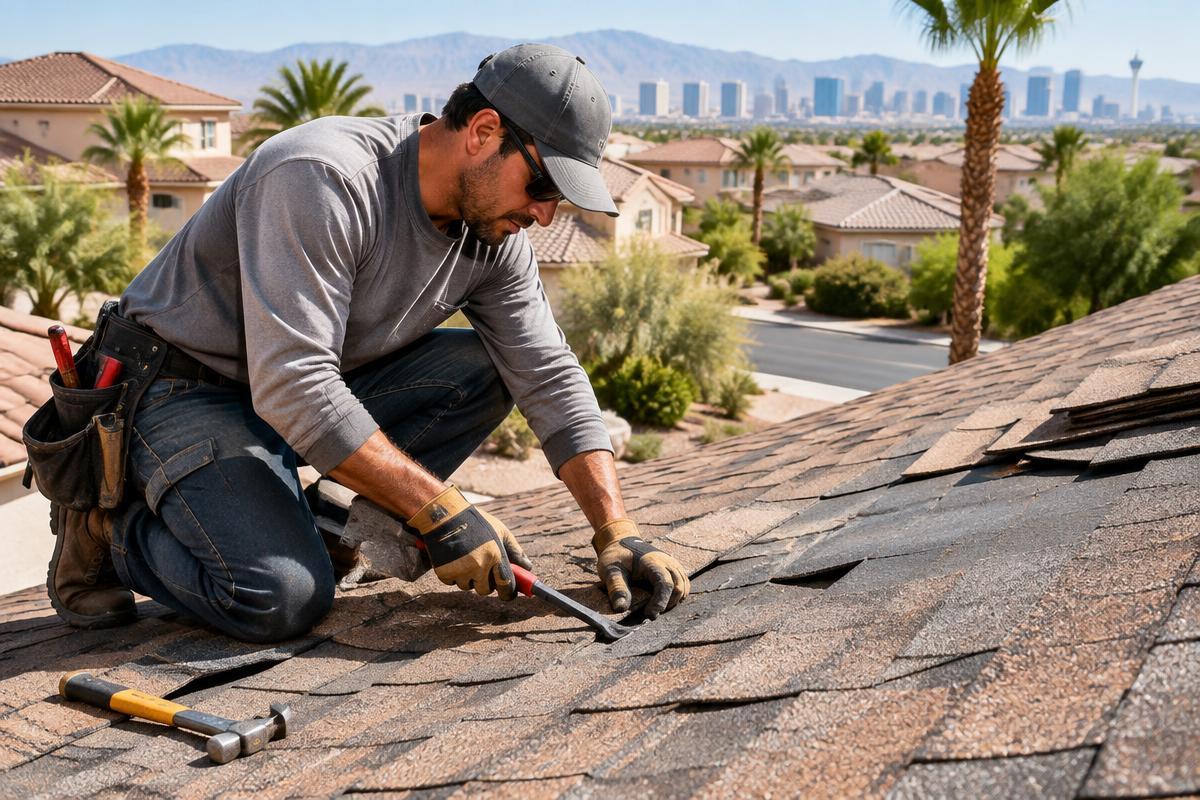
An asphalt shingle roof can look dependable from the street while small problems develop where homeowners cannot easily see them. In Southern Nevada, long periods of intense sunlight, high temperatures, wind, and occasional heavy rain put roofing materials through a demanding cycle. A few lifted shingles or a patch of missing granules may seem minor, but these changes can expose the layers beneath the roof to moisture and further deterioration.
Understanding how damage develops makes it easier to decide when to monitor a roof, when to arrange an evaluation, and what questions to ask before approving repairs.
Why the Las Vegas Climate Can Be Hard on Asphalt Shingles
Sun exposure is one of the most persistent challenges for a roof in the Las Vegas Valley. Asphalt shingles contain materials that gradually age under ultraviolet radiation and repeated heating. Over time, the surface may lose protective granules, while the shingle itself can become less flexible. As the material ages, edges may curl, corners may lift, and brittle sections can become more vulnerable to breakage.
Daily temperature changes also cause roofing materials to expand and contract. This movement places stress on shingle surfaces, fasteners, seal strips, and the transitions around roof features. Wind adds another source of stress. Gusts can catch a loose edge and lift a shingle tab, especially if the adhesive bond has weakened or the roof has already experienced wear.
Rain is less frequent in the desert than in many other regions, but that does not make water intrusion harmless. A short, intense storm can push water beneath a lifted shingle or into an opening around flashing. Because a roof may remain dry for long stretches, a developing weakness can go unnoticed until the next storm.
Warning Signs That Deserve a Closer Look
Some roof problems are visible from the ground, while others require a professional to inspect the roof safely. Homeowners should avoid climbing onto a roof to investigate.
Missing, Lifted, or Displaced Shingles
A bare patch, uneven roof line, or shingle pieces in the yard may indicate wind damage. A lifted tab can be difficult to spot from below, but it may no longer be sealed properly. Once the seal is compromised, additional wind can worsen the problem and create a path for water.
Granules Collecting Near Downspouts
Granules protect the asphalt surface from sunlight and weather exposure. Some granule loss is expected as shingles age, but unusually heavy accumulation in gutters or at downspout outlets can signal accelerated wear.
Curling, Cracking, or Brittle Edges
Shingles that curl upward or downward may have reached an advanced stage of wear. Cracks can form when material becomes brittle or experiences repeated movement. These conditions can make the roof more susceptible to wind and water, particularly around exposed edges and ridges.
Interior Stains or Damp Areas
A ceiling stain, peeling paint, or damp insulation can indicate that water has entered the building envelope. The visible mark may not be directly below the opening in the roof. Water can travel along decking, framing, or other materials before appearing indoors, so tracing the source is important.
Why Finding the Actual Source Matters
A roof leak is a symptom, not a diagnosis. Replacing the shingle closest to an interior stain may fail to solve the problem if water is entering at a nearby flashing detail, roof penetration, valley, or damaged section farther uphill.
A useful evaluation considers the roof as a connected system. The condition of adjacent shingles, underlayment, flashing, roof edges, penetrations, and underlying decking can all affect how well the assembly sheds water. The person assessing the roof should explain what was observed, where water may be entering, and which repairs address the cause rather than only the visible result.
Homeowners can make an evaluation more productive by sharing when the problem first appeared, whether it followed a wind or rain event, and whether the symptoms have changed.
What a Roof Condition Assessment Should Clarify
Before deciding on a repair, property owners benefit from understanding the roof's overall condition. An Asphalt Shingle Roof Condition Assessment in Las Vegas, NV can help frame the questions that matter: which areas are damaged, whether the surrounding shingles remain serviceable, and whether water has affected materials beneath the visible surface.
A useful assessment should distinguish isolated damage from widespread deterioration. If only a limited number of shingles are affected and the surrounding roof remains in sound condition, a targeted repair may be reasonable. If shingles across multiple slopes show extensive curling, cracking, or loss of protective granules, the owner may need to compare repair with broader replacement options.
The evaluation should also identify details that are easy to overlook. Flashing around vents, roof-to-wall transitions, valleys, and other penetrations can become vulnerable as sealants and adjacent materials age. Clear findings help homeowners understand the scope of work before a project begins.
When Is Repair a Practical Option?
Repair is often worth considering when damage is limited, the surrounding shingles are in acceptable condition, and the underlying roof structure has not suffered extensive deterioration. Replacing missing or damaged shingles can restore coverage in a specific area. Re-securing loose tabs or addressing related flashing problems may also help resolve localized weaknesses when the materials are suitable for repair.
Matching matters. Shingles vary in profile, color, dimensions, and weathering. A replacement that does not fit properly or is installed without regard to the existing roof system may look inconsistent or fail to perform as intended. Availability of a close match can depend on the product's age and whether the manufacturer still produces it.
Repeated leaks, widespread brittleness, extensive granule loss, or deterioration across several roof sections may indicate that the roof is nearing the end of its useful life. A responsible recommendation should explain the trade-offs instead of assuming every roof needs the same solution.
Questions to Ask Before Work Begins
A written estimate should describe the affected areas, the proposed repair, and any related components that need attention. Ask whether the contractor has identified the likely source of water entry and how the repair will address it. If damaged decking or flashing is discovered during the work, clarify how additional findings will be documented and approved.
It is also reasonable to ask what shingle product will be used, whether a compatible match is available, how the work area will be protected, and what cleanup is included. Homeowners should understand the payment schedule and the terms of any workmanship or material warranties.
Choose a contractor who is willing to explain the condition of the roof in plain language. A careful professional should distinguish visible findings from issues that need further investigation.
A More Informed Approach to Roof Maintenance
Asphalt shingles face a demanding environment in Southern Nevada, but early attention can help homeowners make better decisions about their roofs. Look for visible changes from a safe location, pay attention to interior signs of moisture, and arrange an evaluation when damage is suspected. Avoid walking on the roof or attempting unsafe temporary fixes.
The most useful repair plan begins with an accurate understanding of the problem. By identifying the source of damage, checking nearby roofing components, and comparing targeted repairs with the roof's overall condition, homeowners can make practical choices based on evidence. A clear explanation of the work, materials, and expected outcome helps protect the property and reduces the chance of overlooking a larger issue.
More details are available at: Local Business Directory
- Managerial Effectiveness!
- Future and Predictions
- Motivatinal / Inspiring
- Fitness and Wellness
- Medical & Health
- Manufacturing
- Educação
- Real-Estate
- Food Industry
- Hospitality
- Online Games
- Sports
- Home Services
- Civil Engineering
- Safety and Protection
- Software Products & Services
- Fashion and Jewellery
- Artificial Intelligence
- Entrepreneurship
- Mentoring & Guidance
- Marketing
- Networking
- HR & Recruiting
- Literature
- Shopping
- Career Management & Advancement