

 SkillClick
Jaw Surgery in Islamabad for Severe Bite Problems
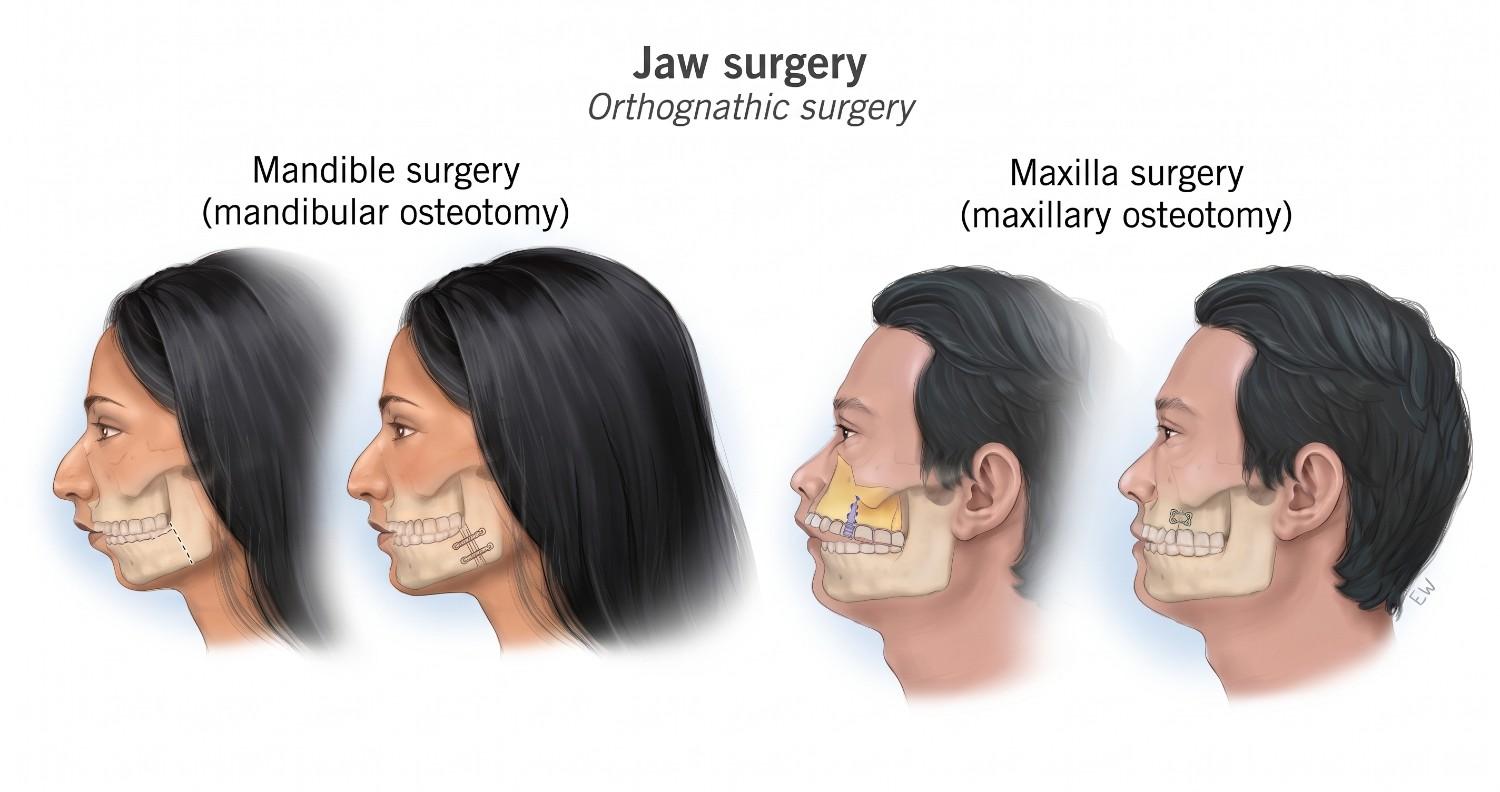
A person's ability to bite, chew, and speak comfortably depends on how the upper and lower jaws work together. When these structures do not develop in the correct relationship, the resulting problems can affect everyday activities and facial proportions. Some people notice that their front teeth do not meet, while others struggle to chew food evenly or feel that their lower jaw sits too far forward or backward. For significant skeletal discrepancies, Jaw Surgery in Islamabad may be considered after an assessment by a qualified oral and maxillofacial surgeon.
Corrective jaw surgery, also known as orthognathic surgery, focuses on repositioning the jawbones to improve their relationship. It is not a routine solution for every bite problem. The treatment is generally considered when orthodontics alone cannot adequately address the underlying skeletal condition. Understanding the causes, treatment choices, and recovery requirements can help patients approach the decision with realistic expectations.
When Does Jaw Misalignment Become a Functional Problem?
Small differences in jaw shape and facial proportions are common. However, a more significant discrepancy can interfere with how the teeth meet and how the mouth functions.
Patients may experience several difficulties.
Trouble Biting Into Food
When the front teeth do not meet correctly, biting into foods such as apples, sandwiches, or vegetables may become difficult. Some patients use their back teeth instead because the front teeth cannot perform this task effectively.
Uneven Chewing
A crossbite or other alignment problem may cause the teeth to contact unevenly. Patients sometimes develop a habit of chewing on one side, although this behaviour can have several causes.
Difficulty Closing the Lips
Some jaw discrepancies affect the relationship between the teeth, jaws, and lips. Patients may find it difficult to bring their lips together comfortably without additional effort.
Changes in Facial Proportions
A jaw that sits too far forward, backward, or to one side can affect the facial profile. The chin, lower facial height, and relationship between the lips may appear different.
Speech Concerns
The position of the teeth and jaws influences tongue and lip movements during speech. Certain skeletal conditions may contribute to pronunciation difficulties, although speech problems can also occur for unrelated reasons.
These symptoms do not automatically mean surgery is necessary. A specialist must identify the underlying cause before recommending treatment.
Common Skeletal Conditions That May Need Surgical Assessment
Orthognathic surgery may be considered for several types of jaw discrepancies.
Mandibular Prognathism
Mandibular prognathism describes a condition in which the lower jaw projects too far forward in relation to the upper jaw. It can produce a skeletal underbite and affect the facial profile.
In selected cases, lower jaw repositioning or a combined upper and lower jaw procedure may help correct the relationship.
Maxillary Deficiency
Maxillary deficiency occurs when the upper jaw does not develop sufficiently or sits too far backward. It may contribute to an underbite, crossbite, or reduced support in the middle portion of the face.
A Le Fort I osteotomy may be considered when the upper jaw requires surgical repositioning.
Vertical Maxillary Excess
Excessive vertical development of the upper jaw can contribute to a longer lower facial appearance or an open bite.
The treatment plan depends on the extent of the skeletal difference and its effect on tooth contact.
Skeletal Open Bite
In a skeletal open bite, the upper and lower front teeth may not meet because of the underlying jaw structure. Patients can find it difficult to bite through certain foods.
Some cases require surgical correction alongside orthodontic treatment.
Facial Asymmetry
Unequal development of the jawbones may shift the chin or create an uneven lower facial outline. Surgery may be considered when the asymmetry is skeletal and affects the bite.
Why a Detailed Diagnosis Is Essential
Two patients can have similar-looking teeth but very different underlying conditions. One may have a dental alignment issue, while the other may have a significant difference in jawbone position.
This distinction determines whether orthodontics alone is appropriate or whether surgical treatment needs consideration.
Reviewing Medical and Dental History
The consultation generally begins with questions about previous dental treatment, jaw injuries, medical conditions, and current symptoms.
The patient should explain any difficulties with chewing, speaking, or jaw movement.
Examining the Bite
The specialist checks how the upper and lower teeth meet. They may assess the overbite, underbite, crossbite, dental midlines, and areas where the teeth make contact.
The surgeon also examines facial proportions and jaw movement.
Taking Diagnostic Images
Depending on the case, the specialist may request:
-
Panoramic X-rays to review the teeth and jaw structures
-
Cephalometric X-rays to assess facial and skeletal relationships
-
CBCT scans when three-dimensional information is necessary
-
Dental scans or impressions to record the arrangement of the teeth
These records help the orthodontist and surgeon understand the problem and develop a suitable treatment plan.
Treatment Options Based on the Type of Jaw Problem
There is no single procedure suitable for every patient. The treatment approach depends on the jaw involved, the direction of movement required, and the relationship between the teeth.
Upper Jaw Surgery
A Le Fort I osteotomy allows the surgeon to reposition the maxilla, or upper jaw.
The procedure may be considered for selected cases involving upper jaw deficiency, vertical discrepancies, and skeletal open bites.
The surgeon makes controlled cuts in the bone and moves it into the planned position. Small fixation plates and screws generally hold the jaw during healing.
Lower Jaw Surgery
Bilateral sagittal split osteotomy (BSSO) is a common procedure for repositioning the mandible, or lower jaw.
The surgeon can move the lower jaw forward or backward according to the treatment plan. This may help address certain skeletal underbites and other jaw discrepancies.
Double Jaw Surgery
Some patients have problems involving both the upper and lower jaws. In such cases, the surgeon may recommend double jaw surgery.
This allows both structures to be repositioned in a coordinated way. It may be considered when correcting only one jaw would not achieve the required bite relationship.
Genioplasty for Chin Proportions
Genioplasty changes the shape or position of the chin. It may be performed alongside corrective jaw surgery when additional chin adjustment is appropriate.
However, it does not correct an underlying skeletal bite problem and should not replace jaw repositioning when the dental arches are misaligned.
The Importance of Orthodontics Before Surgery
Orthodontic treatment is frequently part of corrective jaw surgery because the teeth need to fit together properly after the bones have moved.
Removing Existing Dental Compensation
When the jaws do not align correctly, the teeth may naturally tilt to create a more comfortable bite. These adjustments can hide some of the underlying skeletal discrepancy.
Braces may be used to reverse this compensation and prepare the teeth for surgery.
During this stage, the bite may temporarily appear more pronounced. Patients should understand that this can be a planned part of treatment rather than a sign that the process is failing.
Preparing the Dental Arches
The orthodontist aligns the teeth so they can meet correctly after the jawbones are repositioned.
The treatment team considers the intended bite, dental midlines, and the amount of skeletal movement required.
Finishing Treatment After Surgery
Once the jaw has healed sufficiently, the orthodontist may continue adjusting the teeth. These final changes help improve contact between the upper and lower dental arches.
The length of orthodontic treatment varies according to the patient's original condition and progress.
Preparing for the Operation
Before surgery, the surgeon reviews the treatment plan and explains what the procedure involves.
Patients may need medical clearance, blood tests, imaging, and an anaesthesia assessment. They should disclose their medical history, medication use, and any previous anaesthesia-related problems.
It is also important to understand the expected hospital stay, dietary restrictions, and postoperative arrangements.
Corrective jaw surgery is generally performed under general anaesthesia in a suitably equipped hospital. Many procedures use incisions inside the mouth, although the surgical approach depends on the specific technique.
After repositioning the bone, the surgeon usually applies fixation plates and screws to stabilize the new position.
Recovery After Corrective Jaw Surgery
The recovery period requires careful attention to diet, hygiene, rest, and follow-up instructions.
Swelling and Discomfort
Swelling and bruising are common during the early recovery period. The amount varies according to the procedure and individual response.
Medication may be prescribed to manage discomfort and other postoperative needs.
Changes in Sensation
Some patients experience temporary numbness or tingling around the lips, chin, or cheeks. These changes can improve gradually, but persistent sensory changes are a recognised risk.
Dietary Restrictions
A liquid or soft-food diet is commonly required during early healing. Suitable options may include smooth soups, yogurt, blended vegetables, mashed potatoes, and soft porridge.
Patients should avoid foods that require heavy chewing until their surgeon confirms that it is safe to progress.
Oral Hygiene
The surgical team provides instructions for cleaning the mouth and protecting healing areas. Patients may need to use a gentle brushing technique and a recommended mouth rinse.
Returning to Daily Activities
Patients should return to their normal routine gradually. Strenuous exercise and activities that may cause facial injury should be avoided until medical clearance.
Bone healing takes weeks to months, and orthodontic treatment may continue after the initial recovery period.
What Are the Possible Risks?
Jaw surgery is a major procedure, so patients should understand the potential complications before agreeing to treatment.
Possible risks include:
-
Bleeding and infection
-
Swelling and postoperative pain
-
Temporary or persistent numbness
-
Bite changes or relapse
-
Delayed bone healing
-
Problems involving fixation plates or screws
-
Anaesthesia-related complications
The likelihood of complications depends on the patient's health, anatomy, procedure, and healing response.
Surgery also has limitations. It cannot guarantee perfect facial symmetry or a particular cosmetic result. A detailed consultation should cover realistic expectations and available alternatives.
Jaw Surgery Cost in Islamabad: What Should Patients Consider?
The total expense depends on the procedure, the complexity of the case, and the services required before and after surgery.
Patients researching Jaw Surgery cost should ask for a complete treatment estimate rather than considering only the surgical fee.
Common factors include:
-
Procedure type: Upper jaw, lower jaw, and double jaw surgery have different requirements.
-
Case complexity: Extensive bone movement may require more detailed planning.
-
Surgeon's fee: Professional qualifications and experience influence the cost.
-
Hospital expenses: Operating room facilities, admission, and postoperative monitoring contribute to the total.
-
Anaesthesia: The anaesthesia team's services form part of the overall expense.
-
Diagnostic tests: X-rays, CBCT scans, and dental records may be needed.
-
Orthodontic treatment: Braces and follow-up adjustments may be charged separately.
-
Aftercare: Medication and review appointments should be included in financial planning.
Patients should request an itemised written estimate and confirm what is included before scheduling the procedure.
Selecting an Experienced Surgical Team
Choosing an appropriately qualified specialist is important because jaw surgery involves complex facial structures and requires careful coordination with orthodontic care.
Patients should verify the surgeon's training and experience with the proposed procedure. They should also ask about hospital facilities, anaesthesia arrangements, postoperative monitoring, and the follow-up schedule.
Useful questions include:
-
What is the underlying cause of the jaw problem?
-
Can orthodontics alone provide sufficient correction?
-
Which surgical technique is being recommended?
-
What functional improvements are realistic?
-
What complications should be considered?
-
How long may recovery and orthodontic treatment take?
For general dental information and an initial dental assessment, patients can also visit Dental Clinic Islamabad. However, complex skeletal jaw problems require assessment by an appropriately qualified oral and maxillofacial surgeon, with surgery performed in a suitably equipped hospital.
Frequently Asked Questions
1. Can jaw surgery correct a severe underbite?
Yes. Certain severe skeletal underbites can be treated by repositioning the lower jaw, upper jaw, or both. The appropriate technique depends on the source of the discrepancy.
2. Is jaw surgery necessary for every open bite?
No. Some open bites are mainly dental and may respond to orthodontic treatment. Skeletal open bites may require surgical correction.
3. Can jaw surgery improve facial proportions?
Repositioning the jawbones can change the facial profile and lower facial proportions. The amount of change depends on the planned movement and individual anatomy.
4. How long does the operation take?
The duration varies according to the procedure and its complexity. Double jaw surgery generally involves more extensive surgical work than repositioning one jaw.
5. Will patients need to eat liquid food after surgery?
Many patients begin with liquids and gradually progress to soft foods. The surgeon determines when different food textures can be introduced.
6. Can jaw surgery affect sensation in the lips?
Yes. Temporary numbness can occur because sensory nerves are close to the surgical areas. Some changes improve with time, although persistent numbness is possible.
7. Does jaw surgery permanently correct bite problems?
It can address the underlying skeletal discrepancy, but long-term results depend on healing, orthodontic finishing, treatment planning, and individual factors. Relapse can occur in some cases.
Conclusion
Significant jaw misalignment can affect chewing, biting, speech, and facial proportions. When the underlying cause involves the jawbones rather than the teeth alone, corrective jaw surgery may provide an appropriate treatment option.
A successful treatment journey requires accurate diagnosis, coordinated orthodontic and surgical planning, suitable hospital care, and consistent follow-up. Patients considering jaw surgery in Islamabad should consult a qualified oral and maxillofacial surgeon to understand their condition, available treatment options, potential risks, and realistic expectations.
- Managerial Effectiveness!
- Future and Predictions
- Motivatinal / Inspiring
- Fitness and Wellness
- Medical & Health
- Manufacturing
- Education
- Real-Estate
- Food Industry
- Hospitality
- Online Games
- Sports
- Home Services
- Civil Engineering
- Safety and Protection
- Software Products & Services
- Fashion and Jewellery
- Artificial Intelligence
- Entrepreneurship
- Mentoring & Guidance
- Marketing
- Networking
- HR & Recruiting
- Literature
- Shopping
- Career Management & Advancement