

 SkillClick
How Does Water-Repellent Technology Work on Glass Surfaces?
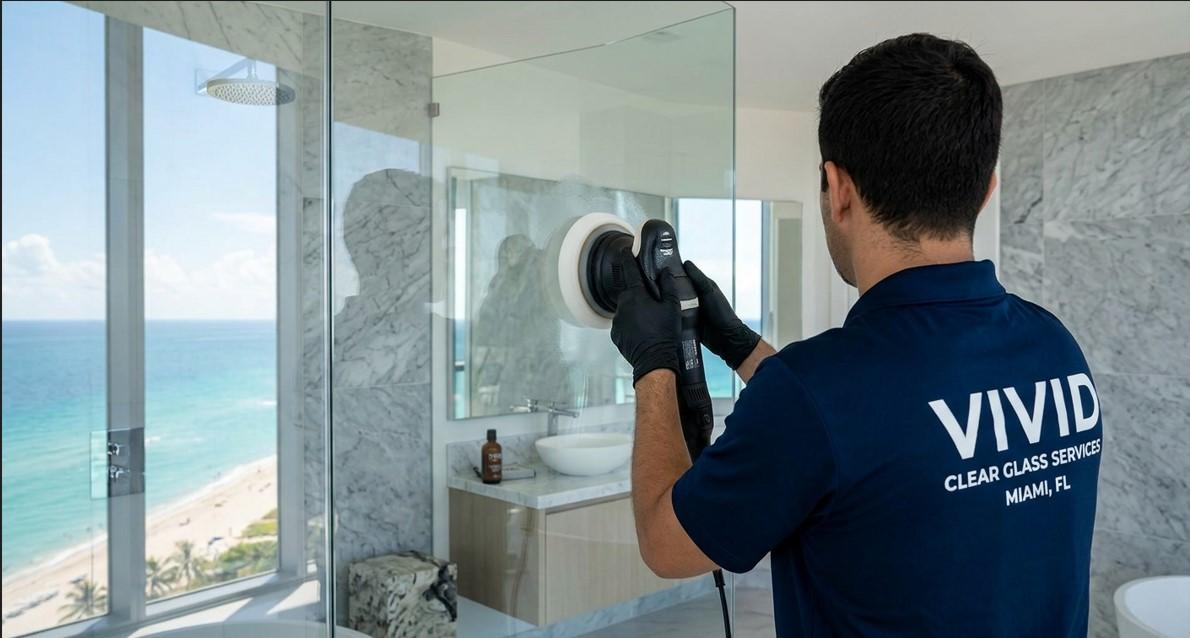
Glass shower enclosures are a popular feature in modern bathrooms because they provide a clean appearance and allow natural light to pass through. However, keeping shower glass clear can become difficult because of frequent water exposure, soap residue, and mineral deposits. These substances gradually collect on the surface and may create cloudy patches or visible spots.
Regular cleaning helps maintain the appearance of glass, but some surfaces require additional care to reduce residue accumulation. Water-repellent technology offers one approach to this challenge. It changes how water interacts with glass, allowing droplets to move more easily across the surface.
This technology is commonly associated with hydrophobic glass coatings, water-repellent surface treatments, and protective glass technology. These treatments can support easier cleaning, although their performance depends on the product and the surrounding conditions.
Why Water Stays on Untreated Glass
When water comes into contact with an untreated glass surface, it may spread into a thin layer or remain in individual droplets. This behavior depends on the surface condition and the interaction between water molecules and the glass.
In shower enclosures, water frequently comes into contact with soap, shampoo, body oils, and dissolved minerals. As droplets dry, these substances may remain on the surface.
Several factors contribute to water accumulation:
-
Frequent shower use.
-
High humidity.
-
Mineral content in the water supply.
-
Soap and shampoo residue.
-
Limited airflow.
-
Irregular surface cleaning.
Over time, these conditions can make shower doors appear dull, even when the glass is structurally in good condition.
What Makes a Surface Hydrophobic?
The term hydrophobic describes a surface that tends to repel water. The word refers to the way water interacts with certain materials rather than indicating that the material is completely waterproof.
A hydrophobic surface encourages water to form rounded droplets instead of spreading widely.
This behavior is influenced by surface energy and the contact angle between water and the material.
When a suitable treatment is applied to glass, it modifies the outer surface characteristics. As a result, water droplets may move more easily when gravity or another force acts on them.
The effect can be useful in bathrooms because less water may remain spread across the glass after showering.
How Hydrophobic Coatings Are Used on Shower Glass
Shower glass can receive specialized surface treatments designed to improve water behavior and simplify maintenance.
A suitable treatment creates a thin layer over the glass. This layer changes the interaction between water and the treated surface.
The application process generally involves several stages.
Preparing the Glass
The surface should be clean and free from soap residue, mineral deposits, and other contamination.
Preparation is essential because existing residue can interfere with consistent coating coverage.
Applying the Treatment
The selected product is applied according to its instructions. Different formulations may require different application materials and techniques.
Allowing the Surface to Cure
Some products require a specific drying or curing period. This allows the treatment to develop its intended properties.
Checking the Finished Surface
After the recommended curing period, the surface can be evaluated to check whether water behaves consistently across the treated area.
These steps vary between products, so application instructions should always be followed.
Why Mineral Deposits Still Develop on Treated Glass
One common misconception is that water-repellent coatings completely prevent water stains.
Hydrophobic treatments change how water interacts with glass, but they do not necessarily remove dissolved minerals from water.
Hard water contains minerals such as calcium and magnesium. When water evaporates, these substances may remain behind.
Even when water forms rounded droplets, mineral residue can still develop if the droplets remain on the surface long enough to dry.
The amount of residue depends on:
-
Water hardness.
-
Frequency of shower use.
-
Bathroom ventilation.
-
Surface cleanliness.
-
Quality of the protective treatment.
-
Regular maintenance habits.
Therefore, treated shower glass still requires appropriate cleaning.
How Protective Treatments Make Cleaning Easier
The main maintenance benefit of many hydrophobic treatments comes from changes in water movement.
When droplets move more easily across a surface, some contaminants may be less likely to remain attached.
This can make certain cleaning tasks easier, particularly when combined with regular water removal.
However, protective coatings do not eliminate every type of contamination.
Soap films, body oils, dust, and mineral deposits may still require suitable cleaning products.
A gentle cleaning routine helps maintain the treated surface without introducing unnecessary wear.
Different Factors That Influence Coating Performance
Not every protective treatment performs in the same way. Its effectiveness depends on the product formulation and the conditions in which it is used.
Surface Preparation
Glass that contains mineral residue or soap buildup may not provide a suitable surface for treatment.
Proper preparation supports more consistent application.
Water Quality
Properties with harder water may experience more frequent mineral accumulation.
A hydrophobic treatment cannot completely remove this influence.
Bathroom Ventilation
Good airflow helps bathroom surfaces dry more efficiently and reduces excessive moisture.
Cleaning Products
Some aggressive cleaners can affect protective layers. Products should be selected according to the coating manufacturer's recommendations.
Shower Usage
Frequently used shower enclosures experience greater exposure to water and cleaning activities, which can influence coating performance over time.
How to Select a Suitable Treatment for Different Shower Enclosures
Shower doors are available in different sizes, thicknesses, finishes, and glass types. Some installations also include factory-applied protective treatments.
These differences should be considered before selecting another surface product.
When researching hydrophobic coating for shower glass Miami FL, it is useful to examine the intended application, product characteristics, and maintenance requirements.
A suitable treatment should be compatible with the glass and appropriate for repeated bathroom moisture exposure.
Consider the following points:
-
Whether the product is specifically designed for shower glass.
-
Whether it is compatible with existing surface treatments.
-
How the glass must be prepared before application.
-
How long the treatment requires to cure.
-
Which cleaning products can be used afterward.
-
How frequently the treatment may need renewal.
A product intended for vehicle windows or outdoor glass should not automatically be considered suitable for shower enclosures.
Common Mistakes When Maintaining Hydrophobic Glass
Incorrect maintenance can reduce the effectiveness of a protective treatment.
Some common mistakes include:
-
Scrubbing the surface with abrasive pads.
-
Using harsh chemicals without checking compatibility.
-
Applying additional coatings over existing residue.
-
Ignoring the recommended curing period.
-
Allowing mineral deposits to accumulate for long periods.
-
Assuming treated glass never needs cleaning.
These practices can affect the surface and make future maintenance more difficult.
Using appropriate products and following a consistent cleaning routine helps preserve the glass.
Practical Ways to Maintain Shower Glass Every Day
Daily maintenance does not need to involve complicated cleaning procedures. A few simple habits can help reduce residue and maintain the appearance of the enclosure.
Remove water droplets: A suitable squeegee can remove excess water after showering.
Keep the bathroom ventilated: Use an exhaust fan or other suitable ventilation method.
Clean visible residue: Address soap films and water spots before they become widespread.
Use soft materials: Microfiber cloths are generally suitable for gentle surface cleaning.
Inspect the glass: Check for scratches, cloudy areas, and changes in water behavior.
These steps can help maintain both treated and untreated glass surfaces.
The Difference Between Water Repellency and Stain Resistance
Water repellency and stain resistance are related but different surface characteristics.
Water repellency describes how a surface interacts with water droplets. A hydrophobic surface generally encourages droplets to remain rounded rather than spreading.
Stain resistance refers to a surface's ability to resist discoloration or the attachment of certain substances.
A product may offer both properties, but they should not be assumed to be identical.
For example, a treatment may encourage water to move across glass while still allowing mineral deposits to develop under certain conditions.
Understanding these differences helps establish realistic expectations about protective glass treatments.
Conclusion
Hydrophobic technology changes how water interacts with glass and can support easier shower maintenance. Its performance depends on suitable surface preparation, water quality, product compatibility, and regular cleaning. Although these treatments can reduce certain maintenance challenges, they do not eliminate the need for proper glass care.
- Managerial Effectiveness!
- Future and Predictions
- Motivatinal / Inspiring
- Fitness and Wellness
- Medical & Health
- Manufacturing
- Education
- Real-Estate
- Food Industry
- Hospitality
- Online Games
- Sports
- Home Services
- Civil Engineering
- Safety and Protection
- Software Products & Services
- Fashion and Jewellery
- Artificial Intelligence
- Entrepreneurship
- Mentoring & Guidance
- Marketing
- Networking
- HR & Recruiting
- Literature
- Shopping
- Career Management & Advancement