

 SkillClick
How Can Regular Cleaning Help Maintain a Healthy and Comfortable Home?
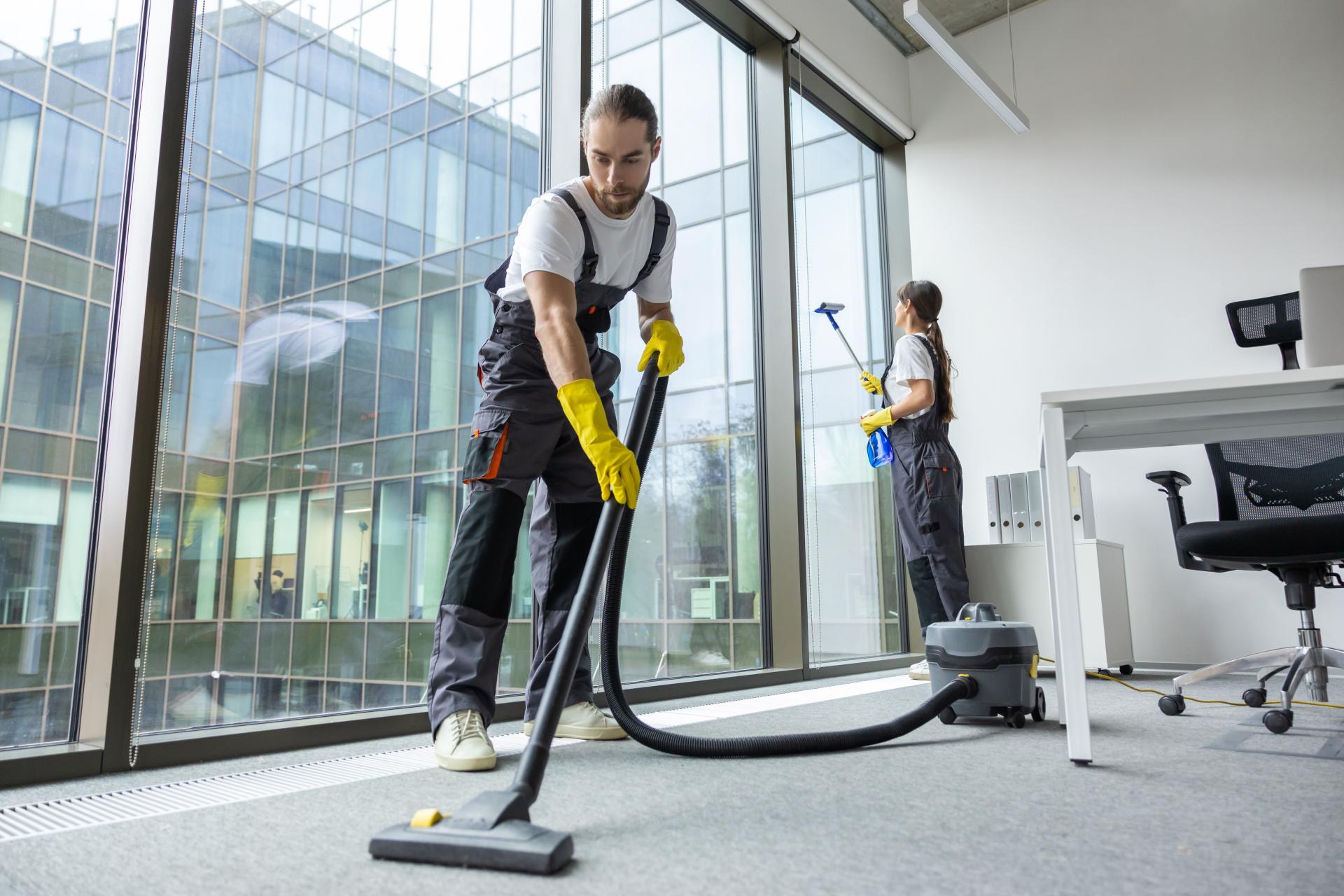
A clean home supports everyday comfort, protects household surfaces, and creates a more pleasant place for family members to spend time. Dust, food crumbs, moisture, and ordinary household waste build up gradually, even when rooms appear tidy. Without a consistent routine, these small messes can become harder to manage and may affect the condition of floors, furniture, kitchens, and bathrooms.
A practical household routine includes professional house cleaning and regular home maintenance to manage areas that are difficult to keep clean during a busy week. Each room has different needs, so cleaning methods should match the surface, material, and level of use. A thoughtful approach can reduce unnecessary wear, improve indoor comfort, and make everyday household tasks easier.
Why Does a Clean Home Matter?
Cleaning is not only about appearance. Household surfaces collect dust, oils, moisture, and other materials through normal daily activity. Kitchen counters come into contact with food, bathroom fixtures experience frequent moisture, and floors collect dirt brought in from outside.
Regular cleaning helps control this buildup before it becomes difficult to remove. It also makes it easier to notice small maintenance concerns, such as loose fixtures, damaged grout, water marks, or areas where moisture continues to collect.
A well-maintained home can offer several benefits:
-
More comfortable living spaces.
-
Better control of ordinary dust and dirt.
-
Cleaner food preparation areas.
-
Less buildup on frequently touched surfaces.
-
Easier identification of household maintenance problems.
-
More organized rooms and storage areas.
These benefits depend on using suitable products and maintaining a routine that fits the household.
Which Areas Need the Most Attention?
Not every part of a home becomes dirty at the same rate. High-use rooms and frequently touched surfaces usually require more attention than areas that receive little activity.
Kitchens and Food Preparation Areas
Kitchen surfaces collect food particles, grease, fingerprints, and moisture. Countertops, cabinet handles, appliance fronts, and dining tables benefit from regular cleaning.
Food preparation areas should be cleaned with products suitable for their materials. A cleaner intended for floors or bathroom surfaces may not be appropriate for a countertop used for preparing food. Product labels should always be checked before use.
Small appliances also need attention. Toasters, microwaves, refrigerators, and stovetops can collect crumbs and spills during normal use. Cleaning these areas regularly helps prevent residue from becoming difficult to remove.
Bathrooms and Wet Areas
Bathrooms require a consistent routine because moisture can remain on surfaces long after a shower or bath. Sinks, faucets, shower walls, toilets, and floors should be cleaned according to their material and condition.
Ventilation is also important. Using an exhaust fan or opening a suitable window can help reduce lingering moisture. Towels and bath mats should be allowed to dry properly rather than remaining damp for extended periods.
Grout and sealant need careful attention because unsuitable cleaning products or abrasive tools can damage them. Gentle methods and manufacturer-approved products are generally preferable.
Bedrooms and Living Rooms
Bedrooms and living rooms collect dust from clothing, bedding, upholstery, curtains, and everyday movement. Vacuuming floors, cleaning accessible furniture surfaces, and washing bedding on a suitable schedule can help maintain these spaces.
Items beneath beds, behind furniture, and around room corners are sometimes overlooked. Including these areas in a rotating cleaning schedule helps prevent dust from accumulating over time.
How Can a Household Create a Practical Cleaning Routine?
A cleaning routine should be realistic rather than unnecessarily complicated. Trying to complete every household task in one session can make the process tiring and difficult to maintain.
Dividing responsibilities into daily, weekly, and occasional tasks creates a more manageable system.
Daily Tasks
Daily cleaning focuses on small activities that prevent ordinary messes from spreading.
Examples include:
-
Wiping kitchen counters after food preparation.
-
Washing or placing used dishes in the dishwasher.
-
Putting personal belongings back in their usual places.
-
Cleaning visible spills.
-
Removing household waste when needed.
-
Keeping frequently used areas organized.
These tasks usually take less time when completed consistently.
Weekly Tasks
Weekly cleaning can cover larger surfaces and rooms that receive regular use. Vacuuming carpets, mopping suitable floors, cleaning bathroom fixtures, and dusting furniture are common examples.
The schedule may change depending on household size, pets, visitors, and daily activity. A busy family home may need more frequent attention than a property occupied by one person.
Occasional Tasks
Some cleaning responsibilities do not need to be completed every week. Washing curtains, cleaning inside cabinets, wiping window frames, and reaching less accessible areas can be included in a monthly or seasonal schedule.
A rotating plan can help prevent these responsibilities from being forgotten.
What Should Be Considered When Choosing Cleaning Products?
Different household materials react differently to cleaning products. Natural stone, wood, glass, stainless steel, ceramic tile, and laminate may require different care methods.
Using an unsuitable product can cause discoloration, surface damage, or unwanted residue. Reading product instructions before application is a simple way to reduce these risks.
A few useful precautions include:
-
Check whether the product is compatible with the surface.
-
Follow the manufacturer's recommended instructions.
-
Use appropriate gloves when the label recommends them.
-
Keep cleaning products away from children and pets.
-
Never mix household cleaning chemicals.
-
Test an unfamiliar product on a small, inconspicuous area when appropriate.
Strong smells do not necessarily mean a product cleans more effectively. The right product should be selected for the material and type of dirt rather than its fragrance or strength.
How Does Decluttering Support Better Cleaning?
Clutter can make household cleaning more difficult because objects block access to surfaces, corners, and floors. A crowded countertop takes longer to clean, while items left on the floor can make vacuuming or mopping less convenient.
Decluttering does not require removing everything from a room. It simply involves keeping useful belongings organized and reducing unnecessary items.
Storage baskets, shelves, labeled containers, and drawer organizers can help keep frequently used belongings in suitable places. Before cleaning a room, returning loose items to their storage locations can make the process more efficient.
Decluttering also helps households notice areas that need repairs or additional maintenance. For example, moving stored items away from a wall may reveal moisture marks or dust buildup that was previously hidden.
What Makes Cleaning More Challenging in Busy Households?
Household schedules can affect how consistently cleaning tasks are completed. Work, school, family responsibilities, and other activities often leave limited time for larger cleaning sessions.
Different household conditions also create different challenges.
Homes With Children
Children may bring toys, food containers, school materials, and outdoor dirt into shared spaces. Frequently used tables, floors, and storage areas may require additional attention.
Keeping suitable storage near play areas can make it easier to organize toys and personal belongings. Frequently touched surfaces should also be cleaned using products appropriate for the material.
Homes With Pets
Pets can contribute hair, dust, and outdoor debris. Upholstery, carpets, entryways, and pet resting areas may need more frequent maintenance.
Vacuum cleaners designed to handle pet hair can be useful for suitable flooring and furniture. Bedding and washable pet accessories should be cleaned according to their care instructions.
Homes With Frequent Visitors
Properties that regularly welcome guests may experience additional activity in entryways, bathrooms, kitchens, and living rooms. Keeping these shared spaces organized can make routine maintenance easier.
Rather than waiting until every room needs attention, households can focus on the spaces used most often.
How Can Professional Cleaning Fit Into Household Maintenance?
Some households prefer to manage everyday tasks independently while arranging additional help for larger cleaning responsibilities. This can be useful when several rooms need attention or when regular schedules leave limited time for detailed household maintenance.
The scope of a cleaning visit can vary according to the property's condition, size, and requirements. Tasks may include dust removal, floor care, bathroom cleaning, kitchen surface maintenance, and attention to other agreed areas.
Before arranging a service, households should consider which rooms require attention and whether any surfaces need special care. Clear expectations help prevent confusion about what will be included.
Cleaning Services in Braggville
Households considering Cleaning Services in Braggville can begin by identifying the areas that require the most attention and the type of maintenance needed. Local home cleaning support may be useful for properties with busy schedules, multiple rooms, or cleaning responsibilities that have become difficult to manage independently. A clear description of the property's layout, surface materials, and priorities helps establish realistic expectations before work begins.
It is also helpful to discuss access arrangements, preferred scheduling, and any household concerns in advance. For example, delicate flooring, particular furniture materials, or areas that require limited product use should be mentioned before cleaning starts. These details help ensure that the planned work is suitable for the property.
Why Is Consistency More Useful Than Occasional Intensive Cleaning?
Leaving household maintenance until dirt becomes highly visible can create additional work. Grease may become harder to remove, bathroom residue may collect around fixtures, and dust can settle in places that are difficult to reach.
A consistent routine keeps these tasks manageable. Small cleaning activities completed throughout the week can reduce the amount of work required during a larger household session.
Consistency also makes it easier to identify changes in the property's condition. A new stain, damaged surface, or recurring moisture problem may be noticed sooner when rooms receive regular attention.
However, consistency does not mean every surface needs daily cleaning. The frequency should reflect how often an area is used and the care instructions for its materials.
How Can Homeowners Maintain Results After Cleaning?
Maintaining a clean home becomes easier when household members share simple responsibilities. Everyone can help by returning belongings to their proper places, cleaning small spills, and avoiding unnecessary clutter.
Entry mats can reduce the amount of outdoor dirt brought inside. Regularly washing suitable mats and keeping shoes in a designated area can also help protect floors.
Air circulation and moisture control deserve attention as well. Ventilating bathrooms, addressing leaks, and allowing damp materials to dry can help prevent recurring problems.
A short checklist can make household responsibilities easier to follow. It does not need to include every possible task. A few clear responsibilities for each room are often enough to support a practical routine.
Conclusion
Maintaining a clean home requires a balance of regular attention, suitable cleaning products, and realistic household routines. Kitchens, bathrooms, bedrooms, and shared spaces all have different maintenance needs. By addressing small messes consistently, organizing belongings, and giving attention to frequently used surfaces, households can maintain more comfortable living environments and protect their home's condition over time.
- Managerial Effectiveness!
- Future and Predictions
- Motivatinal / Inspiring
- Fitness and Wellness
- Medical & Health
- Manufacturing
- Education
- Real-Estate
- Food Industry
- Hospitality
- Online Games
- Sports
- Home Services
- Civil Engineering
- Safety and Protection
- Software Products & Services
- Fashion and Jewellery
- Artificial Intelligence
- Entrepreneurship
- Mentoring & Guidance
- Marketing
- Networking
- HR & Recruiting
- Literature
- Shopping
- Career Management & Advancement