

 SkillClick
Why Do Glass Scratches Become More Noticeable Over Time?
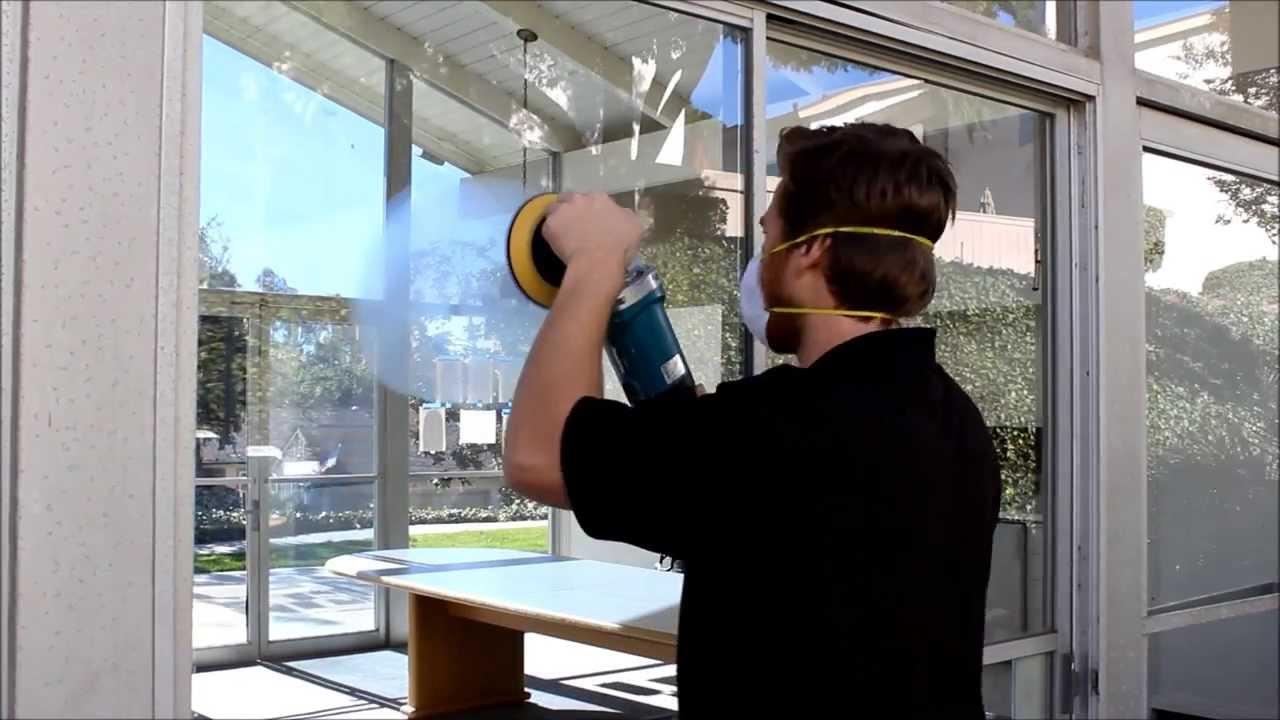
Glass is often selected for its clean appearance, ability to transmit natural light, and suitability for different architectural styles. It is used in windows, doors, shower enclosures, mirrors, display panels, and commercial storefronts. Despite its durability, glass can develop surface imperfections through everyday contact, environmental exposure, and improper maintenance. Even small marks can affect the appearance of an otherwise well-maintained property.
Regular glass surface care and suitable scratch repair techniques can help property owners manage these imperfections. However, the right approach depends on the type of glass, the location of the damage, and its depth. Identifying these factors before choosing a treatment can help prevent additional damage and set realistic expectations.
How Everyday Activities Affect Glass Surfaces
Glass surfaces are exposed to frequent contact in both residential and commercial settings. Windows may collect dust, while glass doors are regularly touched and cleaned. Shower enclosures experience repeated water exposure, and display panels may come into contact with objects placed nearby.
These activities can gradually affect the surface. Small particles of dirt or grit may become trapped between glass and cleaning materials. If pressure is applied while wiping, the particles can contribute to fine marks.
Furniture movement and renovation work may introduce additional risks. Tools, hardware, and construction materials can accidentally contact nearby glass. Even when the damage appears minor, it may become more visible under certain lighting conditions.
The way a glass surface is used should influence its maintenance routine. Areas with frequent contact may need more regular inspection than decorative panels that are rarely touched.
Different Forms of Glass Damage
Not every visible imperfection is a scratch. Glass can develop several types of surface and structural problems that may look similar at first.
Fine scratches usually appear as narrow lines. Depending on their depth and direction, they may be visible only when light reflects across the surface.
Mineral deposits often appear as cloudy patches, spots, or white marks. These deposits can form when water evaporates and leaves minerals behind. They may be especially noticeable on shower doors and exterior windows.
Chemical stains can result from exposure to unsuitable products or environmental contaminants. Their appearance and treatment requirements depend on the substance involved.
Chips and cracks are different from ordinary surface scratches. They may affect the integrity of the glass and should be assessed by a qualified professional. Attempting to treat structural damage as a cosmetic issue can create additional risks.
Correct identification is therefore an important part of any glass maintenance or repair decision.
Why Lighting Changes the Appearance of Scratches
A scratch may appear almost invisible in one setting and highly noticeable in another. This is largely related to how light interacts with the glass surface.
Direct sunlight can reveal fine lines that are difficult to see indoors. Reflections from nearby buildings, furniture, and artificial lighting may also make imperfections stand out.
The direction of the light matters. A surface mark may become more visible when light passes across it at an angle rather than shining directly toward it.
Glass color and surrounding finishes can influence visibility as well. Dark backgrounds may make certain marks easier to notice, while reflections can create the impression of additional imperfections.
For a reliable inspection, the surface should be viewed from different angles and under suitable lighting. This helps establish whether the issue is isolated or affects a larger area.
Common Causes of Scratches on Residential Glass
Residential glass faces several everyday risks. Windows and doors may be affected by cleaning activities, household objects, outdoor debris, and accidental contact.
One common cause is using unsuitable cleaning equipment. Rough pads, abrasive materials, and dirty cloths can affect the surface, particularly when particles become trapped during wiping.
Pet activity may also contribute to marks on some lower glass panels. Repeated contact with claws or other hard objects can affect exposed surfaces.
Home improvement work introduces another possible source of damage. Paint removal, sanding, drilling, and nearby construction activities can create conditions where glass is accidentally marked.
Outdoor windows may collect sand and airborne particles. Cleaning these surfaces without first removing loose debris can increase the chance of fine scratches.
Awareness of these causes can help homeowners improve their maintenance habits and reduce avoidable contact with glass.
The Role of Glass Type in Repair Decisions
Glass is manufactured in different forms for specific applications. The type of glass can influence which maintenance or restoration methods are suitable.
Tempered glass is processed to improve its strength characteristics and is commonly used in doors, shower enclosures, and other applications. It should be handled according to manufacturer requirements, particularly if damage is present.
Laminated glass contains layers joined by an interlayer. It is used in settings where its construction provides particular safety benefits. Surface treatment should account for the complete assembly.
Coated glass may have specialized layers designed to influence heat transfer, reflection, privacy, or appearance. Abrasive treatment could affect these coatings, so their specifications should be reviewed first.
Insulated glass units contain multiple panes separated by a sealed space. Moisture or fogging between panes generally indicates an issue with the unit rather than an ordinary surface scratch.
A professional inspection should identify the glass type before any restoration process is considered.
How to Protect Glass During Cleaning
Regular cleaning can help preserve glass appearance, but the method matters as much as the frequency.
Start by following the manufacturer's care instructions. Different products may have different requirements, especially when coatings or special finishes are involved.
Use clean materials intended for glass surfaces. Dirty cloths can carry particles that may create additional marks during wiping.
Avoid abrasive pads and unsuitable scraping tools. Products designed for other surfaces may not be appropriate for glass, even if they are commonly used for general household cleaning.
Cleaning solutions should also be selected carefully. Some products may affect frames, seals, protective coatings, or nearby materials. Never mix household cleaning chemicals, and follow the instructions provided on product labels.
For exterior glass, consider environmental conditions. Cleaning during extreme heat may cause products to dry too quickly and leave streaks. Suitable timing and proper maintenance methods can make routine care easier.
When Premier Glass Scratch Repair in Miami, FL Is Worth Considering
Premier Glass Scratch Repair in Miami, FL may be considered when visible surface marks affect the appearance of windows, doors, mirrors, or other glass installations. Before choosing a repair method, the condition of the surface should be examined to determine whether the marks are suitable for restoration.
The assessment should consider scratch depth, affected area, glass construction, and the presence of coatings. Fine surface imperfections may be suitable for certain specialized treatments, while deeper marks may require a different solution.
Miami properties can experience regular exposure to humidity, rain, airborne particles, and coastal residue. These conditions may increase routine glass maintenance needs, particularly for exterior installations. However, environmental deposits and physical scratches are separate issues and should not be treated as though they have the same cause.
Property owners should ask about the treatment process and its limitations before work begins. A suitable professional should explain whether the goal is to improve the surface appearance, address a particular imperfection, or determine whether replacement is more appropriate.
Not every scratch can be removed safely. In some cases, attempting extensive polishing may create distortion or affect the surface finish. A careful assessment helps avoid unrealistic expectations and unsuitable work.
Why Professional Assessment Matters
A professional assessment can help distinguish between cosmetic imperfections and damage that may affect the glass installation.
The inspection may include checking the affected area under different lighting conditions. This can reveal fine marks, changes in surface texture, and patterns that may indicate the source of the problem.
Professionals may also examine the surrounding frame, edges, and seals. Damage in these areas can affect the overall installation and may require attention beyond surface treatment.
The proposed repair process should be suitable for the glass type. This is particularly relevant for coated, tempered, laminated, and insulated products.
Property owners should ask whether the treatment may affect optical clarity, surface reflections, or existing protective layers. They should also request a clear explanation of what results are reasonably possible.
An honest assessment may conclude that replacement is more appropriate than restoration. This is especially relevant when cracks, chips, or other structural concerns are present.
Preventing Future Glass Surface Problems
Prevention is often easier than dealing with repeated surface damage. A few consistent habits can help reduce unnecessary wear.
Keep cleaning materials clean and store them away from abrasive objects. This reduces the chance of hard particles being transferred onto glass during maintenance.
During renovation work, protect nearby glass from tools, dust, and construction materials. Temporary protective coverings should be appropriate for the surface and should not introduce additional pressure or adhesive damage.
Outdoor glass should be inspected periodically for accumulated debris and environmental residue. Cleaning schedules can be adjusted according to the property's exposure.
Shower doors may benefit from routine care that reduces the amount of mineral residue left behind. Proper ventilation can also help manage moisture in bathrooms.
Where glass has a specialized coating, keep the manufacturer's maintenance instructions available. Using compatible products is particularly important for preserving these finishes.
Choosing Between Repair and Replacement
Repair and replacement are not interchangeable solutions. The correct option depends on the type and extent of damage, the glass construction, and the purpose of the installation.
Minor surface imperfections may be suitable for specialized restoration methods. However, cracks, significant chips, edge damage, or compromised structural components generally require professional evaluation and may call for replacement.
Replacement may also be considered when insulated glass units develop internal fogging or when a specialized coating has been extensively damaged.
Cost should not be the only deciding factor. Safety, appearance, long-term performance, and compatibility with the existing frame should also be considered.
A clear comparison of available options allows property owners to make a decision based on the actual condition of the glass rather than assumptions about what a particular treatment can achieve.
Conclusion
Glass scratches can develop through everyday use, unsuitable cleaning methods, and accidental contact. Their appearance and treatment options depend on the glass type, damage depth, and surrounding conditions. Careful maintenance and professional assessment can help property owners choose appropriate solutions while protecting the clarity and long-term performance of their glass installations.
- Managerial Effectiveness!
- Future and Predictions
- Motivatinal / Inspiring
- Fitness and Wellness
- Medical & Health
- Manufacturing
- Education
- Real-Estate
- Food Industry
- Hospitality
- Online Games
- Sports
- Home Services
- Civil Engineering
- Safety and Protection
- Software Products & Services
- Fashion and Jewellery
- Artificial Intelligence
- Entrepreneurship
- Mentoring & Guidance
- Marketing
- Networking
- HR & Recruiting
- Literature
- Shopping
- Career Management & Advancement