

 SkillClick
Dental Implants in Islamabad: Restore Your Smile and Bite
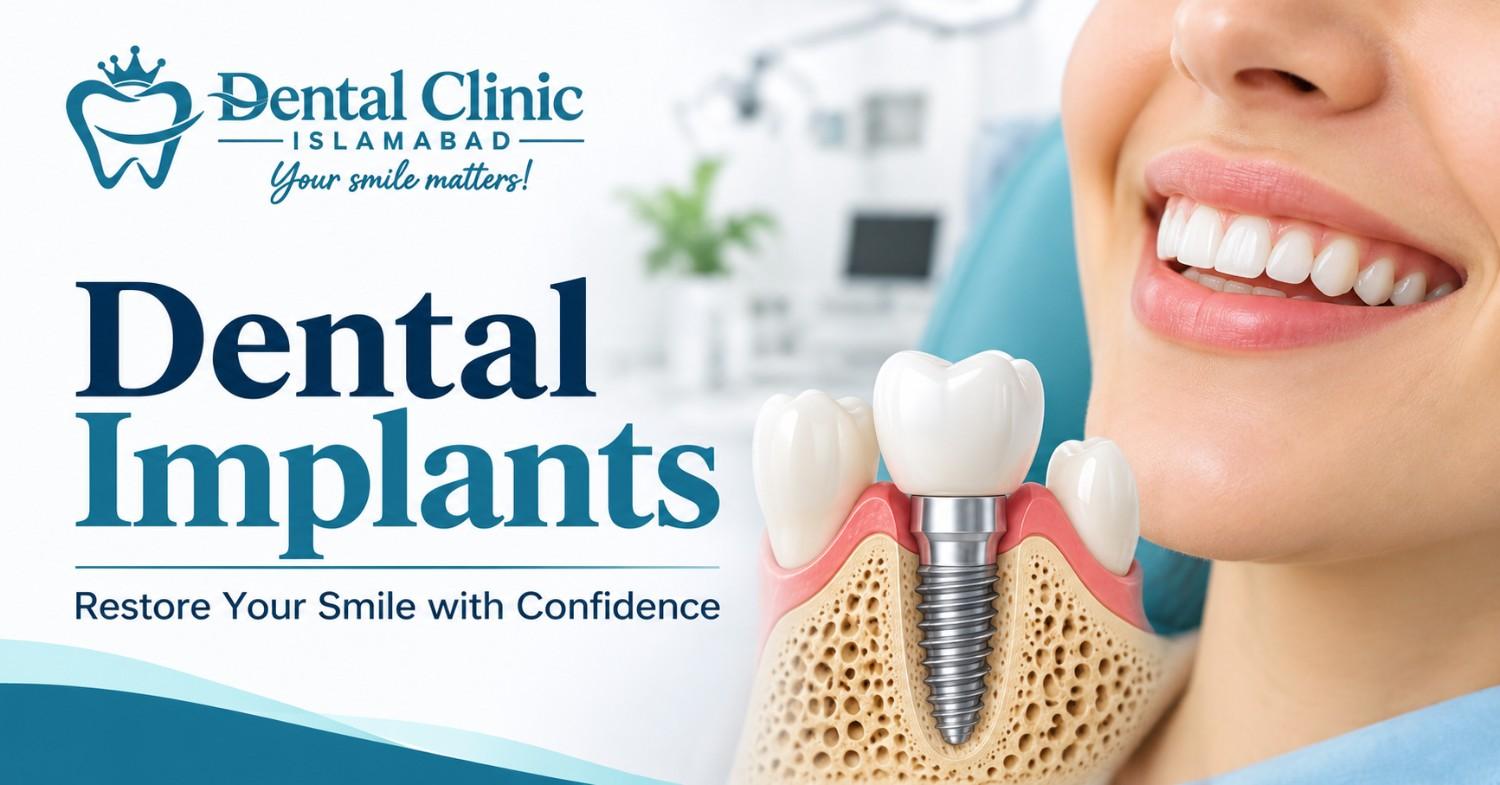
Losing a tooth can gradually change the way a person eats, speaks and uses their remaining teeth. Even when a missing tooth is not visible while smiling, the gap can affect chewing patterns and place additional pressure on neighbouring teeth. The longer someone leaves a missing tooth untreated, the more important it becomes to assess the surrounding oral structures.
Dental implants provide a way to replace missing tooth roots and support artificial teeth. Unlike a conventional removable denture, an implant becomes anchored in the jawbone and can support a fixed crown, bridge or full-arch restoration.
For patients considering Dental Implants in islamabad, the decision should involve more than filling an empty space. A dentist needs to consider how the replacement tooth will fit into the bite, support chewing and work alongside the remaining natural teeth.
Why Replacing a Missing Tooth Matters
A missing tooth can affect several parts of the mouth, even when the gap appears small.
Natural teeth work together during biting and chewing. Each tooth has a position and function within the dental arch. When one disappears, the surrounding teeth may experience changes in contact and pressure.
Some possible consequences include:
-
Changes in chewing: Patients may begin chewing more on one side, which can make eating less comfortable.
-
Movement of neighbouring teeth: Teeth beside a gap may gradually tilt or shift into the available space.
-
Changes in opposing teeth: The tooth directly opposite the missing one may move towards the empty space.
-
Jawbone changes: The bone that previously supported the missing tooth can gradually lose volume because it no longer receives normal stimulation through that tooth root.
-
Food trapping: Gaps and altered tooth contacts may make cleaning and food removal more difficult.
These changes do not occur at the same rate in every patient. Their extent depends on the missing tooth's location, the condition of the remaining teeth and the person's bite.
A dental examination helps determine whether replacing the tooth would improve function and what treatment options are appropriate.
How Dental Implants Work
A dental implant acts as an artificial tooth root. The dentist places a small implant fixture into the jawbone, where it gradually bonds with the surrounding bone.
A complete implant restoration generally includes three components:
1. Implant fixture: A titanium or other approved implant material placed inside the jawbone to provide support.
2. Abutment: A connector that joins the implant fixture to the replacement tooth.
3. Dental crown: The visible artificial tooth designed to restore appearance, shape and chewing function.
After placement, the bone gradually integrates with the implant surface through a biological process called osseointegration. This creates a stable foundation for the final restoration.
The implant itself does not look like a natural tooth. The crown or other replacement structure provides the visible shape and biting surface. The dentist must plan both components together to achieve a functional result. <Cite refs={["turn752949search1","turn752949search2","turn752949search9"]}/>
Choosing the Right Implant Treatment for Missing Teeth
The number and position of missing teeth determine which restoration may be suitable. A single implant does not serve every patient, and treatment planning should account for the entire dental arch.
Single Tooth Dental Implant
A single-tooth implant replaces one missing tooth with an implant-supported crown. It can be useful when a patient has lost one tooth but the neighbouring teeth remain healthy.
One advantage is that the dentist does not normally need to prepare healthy adjacent teeth as bridge supports. Instead, the replacement tooth receives support from its own implant.
The crown's shape, shade and contact with neighbouring teeth need careful adjustment so it fits naturally into the bite.
Implant-Supported Dental Bridge
When several neighbouring teeth are missing, an implant-supported bridge may provide a fixed replacement.
Two or more strategically positioned implants can support a connected restoration, depending on the number of missing teeth, bone conditions and bite forces.
The dentist considers the distribution of chewing pressure and the space available for cleaning underneath the bridge.
Full-Arch Dental Implants
Patients who have lost most or all teeth in an upper or lower jaw may be candidates for a full-arch implant restoration.
Approaches such as All-on-4 and All-on-6 use four or six implants to support a full set of replacement teeth in selected cases. These approaches require careful assessment of bone availability, implant positioning and the design of the final restoration.
Implant-Supported Dentures
Some patients prefer a removable denture that attaches to implants. Special connectors help improve retention and reduce movement during eating and speaking.
This can be an option for people who struggle with loose conventional dentures but do not necessarily need or prefer a permanently fixed restoration.
The dentist should explain the cleaning requirements and maintenance needs of each option before treatment begins. <Cite refs={["turn752949search2","turn752949search5","turn752949search9"]}/>
Why Bite Assessment Is Important Before Implant Placement
A replacement tooth should not simply fill a visible gap. It must also work with the upper and lower teeth during normal biting.
The dentist examines how the teeth meet when the patient closes their mouth and moves the jaw. This helps identify areas where excessive pressure could affect the proposed implant restoration.
Several factors influence this assessment:
Tooth position: The implant needs a suitable position to support a crown or bridge that fits the dental arch.
Available space: The dentist evaluates the gap between neighbouring teeth and the distance between the upper and lower arches.
Biting pressure: Patients who clench or grind their teeth may place additional force on implant restorations.
Opposing teeth: The replacement crown must make appropriate contact with the tooth opposite it without creating excessive pressure.
Cleaning access: The final design should allow patients to clean around the implant and its surrounding gums.
A poorly planned restoration can create discomfort, food-trapping areas or difficulties with cleaning. For this reason, dentists consider the final tooth design before deciding where to place the implant.
Who Can Consider Dental Implant Treatment?
Many adults with missing teeth may qualify for dental implants, but suitability depends on individual oral health and general medical conditions.
A dentist generally evaluates the following:
-
Jawbone condition: The implant needs enough healthy bone for support. Bone grafting may be considered when the available bone is insufficient.
-
Gum health: Active gum disease should be treated and stabilised before implant placement.
-
General health: Certain medical conditions can influence healing and the risk of complications.
-
Diabetes management: Patients with diabetes may need additional assessment, particularly if blood glucose is not well controlled.
-
Smoking: Tobacco use can interfere with healing and increase the risk of implant-related complications.
-
Oral hygiene: Patients need to maintain consistent cleaning around the implant and attend follow-up appointments.
Age alone does not determine whether someone can receive an implant. The jaw must have completed its growth, and the dentist must assess the patient's overall health and ability to maintain the restoration.
Patients should also disclose their medical history and medicines, including blood-thinning medication and treatments that may affect bone health. They should never stop prescribed medication without advice from the relevant healthcare professional. <Cite refs={["turn752949search1","turn752949search6","turn752949search7","turn752949search10"]}/>
What Happens During Dental Implant Treatment?
Implant treatment usually involves several stages. The exact sequence depends on whether the patient needs tooth extraction, bone grafting or other preparatory procedures.
1. Initial Consultation
The dentist examines the missing-tooth area, remaining teeth, gums and bite. They also discuss the patient's medical history, treatment expectations and previous dental procedures.
This appointment helps establish whether an implant is suitable or whether another replacement option may be more appropriate.
2. Dental Imaging and Treatment Planning
Dental X-rays help assess the jawbone and surrounding structures. In selected cases, the dentist may recommend a CBCT scan to obtain three-dimensional information.
Imaging helps evaluate bone height and width and identify nearby anatomical structures, such as nerves and sinus cavities. The dentist uses these findings to plan implant positioning.
3. Preparatory Treatment
Some patients need treatment before implant placement. This may include extracting a damaged tooth, treating gum disease or addressing an infection.
If there is insufficient bone, the dentist may recommend bone grafting. A graft can help create a suitable foundation, although it may add several months to the overall treatment schedule.
4. Implant Placement
The dentist places the implant fixture into the prepared jawbone under local anaesthesia. The procedure involves preparing the implant site and positioning the fixture according to the treatment plan.
Some patients may qualify for immediate implant placement after tooth extraction. However, this depends on the condition of the extraction site, infection status, bone support and implant stability.
5. Healing and Bone Integration
After placement, the bone gradually bonds with the implant surface. This healing process can take several months.
During this period, the dentist may recommend a temporary replacement tooth when appropriate. Patients should follow instructions about eating, cleaning and avoiding excessive pressure on the healing area.
6. Final Crown or Restoration
Once the implant has integrated sufficiently with the bone, the dentist proceeds with the final restoration.
The crown, bridge or denture is designed to suit the patient's mouth. The dentist checks its appearance, fit and bite before completing treatment. <Cite refs={["turn752949search2","turn752949search5","turn752949search9"]}/>
How Long Does Dental Implant Treatment Take?
There is no single treatment duration for every patient. A straightforward implant case may progress differently from one involving extraction, infection management or bone grafting.
The overall timeline depends on:
-
The location of the missing tooth.
-
The quality and quantity of available bone.
-
Whether the dentist needs to remove a damaged tooth.
-
Whether bone grafting is necessary.
-
The patient's healing response.
-
The type of final crown, bridge or denture.
Bone integration commonly takes several months. If a patient needs preparatory surgery, the process may take longer.
A reliable treatment estimate should explain the expected stages, healing periods and follow-up appointments rather than promise the same completion date for every case. <Cite refs={["turn752949search2","turn752949search5","turn752949search6"]}/>
Dental Implant Recovery and Aftercare
Patients may experience some swelling, bruising, tenderness or minor bleeding after implant placement. These effects usually improve as the surgical area heals.
The dentist may recommend temporary dietary adjustments and provide instructions for cleaning the mouth during the early recovery period.
Once the final restoration is fitted, long-term maintenance becomes important.
Patients should:
-
Brush twice daily using a suitable toothbrush.
-
Clean between teeth and around implants with recommended interdental tools.
-
Follow professional advice about flossing or using a water flosser.
-
Attend regular dental check-ups.
-
Avoid biting extremely hard objects that could damage the crown.
-
Discuss teeth grinding with the dentist.
-
Avoid smoking to support healthier gum tissues.
Dental implants cannot develop cavities, but the surrounding gums and bone can become inflamed. Poor plaque control may lead to peri-implant disease, which can damage the tissues supporting the implant.
If an implant feels loose, becomes painful or develops persistent swelling, patients should arrange a dental assessment promptly. <Cite refs={["turn752949search1","turn752949search2","turn752949search6"]}/>
What Determines the Cost of Dental Implants in Islamabad?
The cost of implant treatment depends on the clinical work and materials required for each patient. A single implant with a crown generally involves a different treatment plan from a full-arch restoration.
Factors that may influence the overall estimate include:
| Cost factor | Why it matters |
|---|---|
| Number of implants | More implants generally require additional components and surgical work. |
| Implant system | Different implant systems have different material and component costs. |
| Crown or bridge material | The type of final restoration affects laboratory and treatment costs. |
| Bone grafting | Additional bone procedures may increase the treatment cost. |
| Tooth extraction | Removing a damaged tooth may form part of the treatment plan. |
| Diagnostic imaging | X-rays or CBCT scans may be required for planning. |
| Follow-up care | Reviews and maintenance are important parts of treatment. |
Patients should ask for a written estimate that separates the implant fixture, abutment, final crown or bridge, imaging and any additional procedures.
Comparing treatment plans is more useful than comparing a single advertised price. A lower initial estimate may not include every stage required to complete the restoration.
Choosing a Dental Implant Dentist in Islamabad
The quality of implant treatment depends on diagnosis, surgical planning, restoration design and long-term maintenance. Patients should understand who will perform each stage and how the clinic will monitor healing.
Before proceeding, consider asking:
-
What qualifications and implant-related experience does the treating dentist have?
-
Which implant system and model will be used?
-
Do I need a CBCT scan or other diagnostic imaging?
-
Is bone grafting likely to be necessary?
-
What type of crown, bridge or denture will complete the treatment?
-
How long should I expect the entire process to take?
-
What follow-up care and maintenance will I need?
-
What are the possible risks and alternatives in my case?
Patients can discuss these questions and their individual dental needs with the team at Dental Clinic Islamabad.
Final Thoughts
Replacing a missing tooth involves more than restoring the visible appearance of a smile. The dentist must consider jawbone support, neighbouring teeth, chewing pressure, gum health and the design of the final restoration.
Dental implants can provide a fixed solution for replacing one or several missing teeth, but they require careful planning and consistent maintenance. A thorough examination helps determine whether an implant is suitable, whether additional procedures are necessary and which restoration can best meet the patient's needs.
With a personalised treatment plan and regular dental care, patients can make an informed decision about restoring their smile and maintaining their oral function.
- Managerial Effectiveness!
- Future and Predictions
- Motivatinal / Inspiring
- Fitness and Wellness
- Medical & Health
- Manufacturing
- Education
- Real-Estate
- Food Industry
- Hospitality
- Online Games
- Sports
- Home Services
- Civil Engineering
- Safety and Protection
- Software Products & Services
- Fashion and Jewellery
- Artificial Intelligence
- Entrepreneurship
- Mentoring & Guidance
- Marketing
- Networking
- HR & Recruiting
- Literature
- Shopping
- Career Management & Advancement