

 SkillClick
What Determines the Average Home Inspection Cost in Peru, IN, and What Should Buyers Know Before Booking?
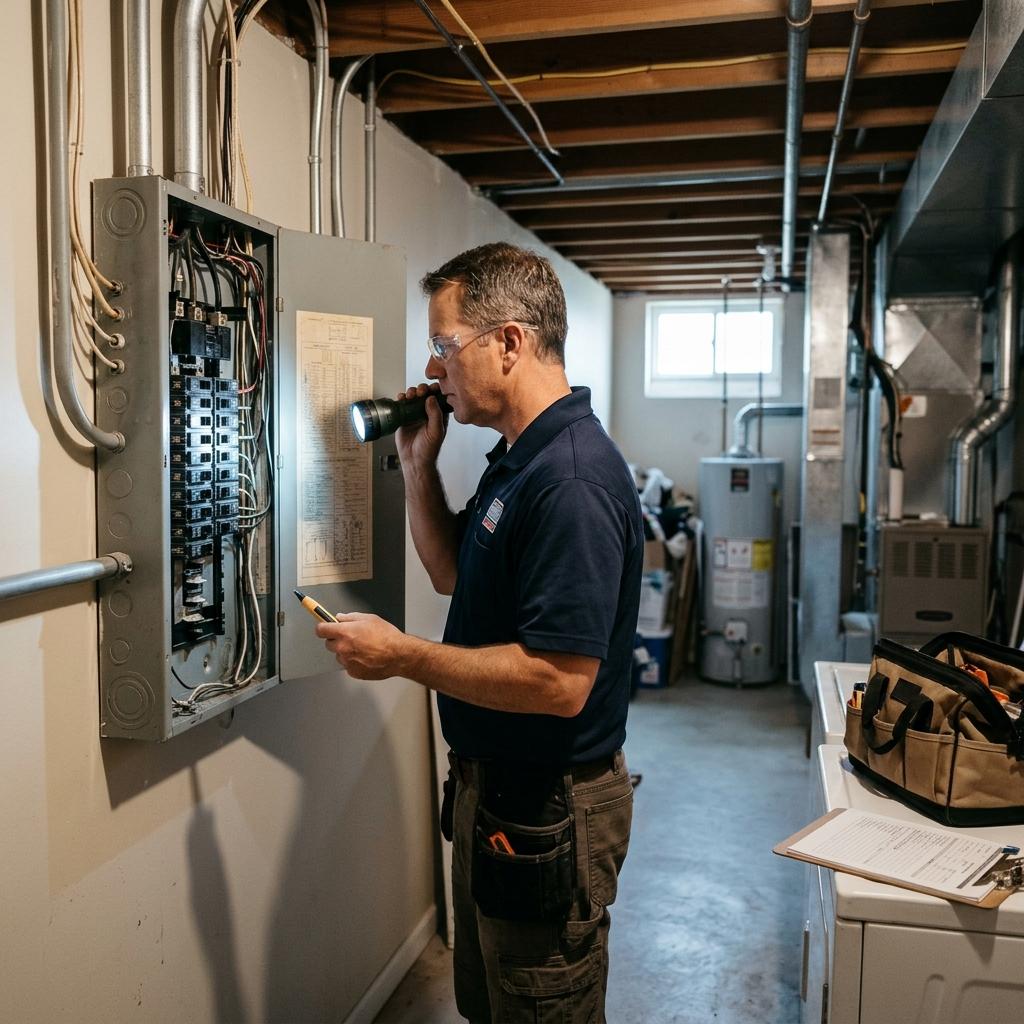
Buying a home is one of the most significant financial decisions a person can make. Beyond the purchase price, buyers must consider the property's condition, potential maintenance requirements, and repairs that could affect their future budget. A professional home inspection helps bring these details into focus before a real estate transaction moves forward.
However, one question frequently comes up during the planning process: How much should someone expect to pay for a home inspection?
The average home inspection cost in Peru, IN, depends on several factors rather than one fixed price. Property size, age, foundation type, accessibility, and additional testing requirements can all influence the final quote. Understanding these factors helps buyers and homeowners prepare financially while choosing an inspection that addresses their property's actual needs.
Why Does Home Inspection Pricing Vary Between Properties?
Not every residential property requires the same amount of inspection work. A smaller, relatively modern home may have different inspection requirements than an older property with multiple levels, an extensive basement, or aging mechanical systems.
Professional inspectors evaluate numerous visible and accessible components. These can include roofing materials, exterior surfaces, foundations, electrical systems, plumbing, heating, cooling, and interior features.
The amount of time and attention required to evaluate these components can influence the inspection fee.
Property Size and Layout
The size of a home is an important consideration when requesting an inspection quote. Larger properties generally contain more rooms, additional fixtures, and greater overall square footage to assess.
Layout also matters. Multiple floors, finished basements, detached structures, and difficult-to-access areas may affect the time needed to complete the inspection.
When requesting a quote, provide accurate information about the property's size and layout. This allows the inspector to understand the assignment more clearly.
Age and General Property Condition
Older homes can present different inspection considerations from recently constructed properties.
For example, an aging electrical panel, deteriorating roof materials, outdated plumbing components, or signs of moisture intrusion may require additional attention during the assessment.
This does not automatically mean an older home will have serious problems. It simply means the inspector must evaluate the components that are present and document observable conditions.
Foundation Type and Accessibility
Foundation construction is another factor that can influence pricing.
Properties may have basements, crawlspaces, or slab foundations. Each configuration presents different inspection conditions and accessibility considerations.
An inspector may need to evaluate visible foundation surfaces, basement walls, crawlspace conditions, and surrounding grading. Limited access can also affect what can be examined.
Homeowners should understand that an inspection generally covers visible and accessible components rather than concealed structural areas.
What Is Included in a Professional Home Inspection?
Before comparing quotes, it is important to understand what the inspection actually covers.
A general residential inspection provides an independent assessment of the property's visible and accessible systems. It is not simply a quick walkthrough of rooms.
A thorough assessment may include the following areas:
Roof and Exterior Components
The roof covering, flashing, gutters, exterior siding, trim, and surrounding grading are important parts of the inspection.
Missing or loose shingles, deteriorating exterior materials, and grading that directs water toward the property can indicate maintenance concerns.
Foundation, Basement, and Crawlspace
The inspector evaluates accessible foundation areas and looks for observable conditions that may deserve further attention.
Signs such as visible cracking, moisture concerns, or drainage problems should be documented appropriately.
Electrical and Plumbing Systems
Electrical panels, accessible outlets, plumbing supply lines, drains, and water heaters are among the components considered during a general inspection.
An electrical assessment may identify concerns such as missing GFCI protection, double-tapped breakers, or visible wiring issues.
Heating, Cooling, and Interior Components
Heating and cooling equipment, interior walls, ceilings, floors, windows, doors, stairs, and railings are also part of the inspection scope.
Built-in kitchen appliances, garage door safety sensors, and the presence of smoke and carbon monoxide alarms may also be reviewed.
Understanding these components makes it easier to compare inspection services based on their actual scope rather than price alone.
Can Additional Testing Increase the Total Inspection Cost?
Yes. Additional testing can influence the overall amount because specialized assessments involve different equipment, procedures, and evaluation requirements.
A general home inspection and specialized environmental testing do not necessarily cover the same concerns.
For example, buyers may want to consider additional services when a property's characteristics or circumstances justify them.
Some possible options include:
-
Radon testing: Helps evaluate radon levels inside a property.
-
Mold testing: Provides additional assessment when mold-related concerns need investigation.
-
Water testing: Helps evaluate household or private well water.
-
Thermal imaging: Uses infrared equipment to examine temperature differences on building surfaces.
-
WDI inspections: Focuses on wood-destroying insect concerns.
-
HVAC inspection: Provides attention to heating and cooling equipment.
Not every property requires every additional service. The appropriate options depend on the property, the buyer's concerns, and the scope of the inspection.
Discussing these requirements before scheduling helps clarify what is included in the quote and whether additional appointments or fees may apply.
How Can Homebuyers Evaluate the Average Home Inspection Cost in Peru, IN?
When comparing the average home inspection cost in Peru, IN, buyers should look beyond the initial quoted amount.
A useful comparison considers the inspection scope, the inspector's qualifications, the reporting process, and the availability of direct communication.
A lower quote may not represent the same service as a more comprehensive inspection. Similarly, a higher price does not automatically guarantee better work.
Consider these questions before making a decision:
-
Which property systems and components are included?
-
Are basements, crawlspaces, and accessible attic areas covered?
-
Are specialized tests included or charged separately?
-
Does the inspector provide a written report with photographs?
-
How soon will the report be delivered?
-
Can the buyer attend the inspection and ask questions?
-
Does the inspector hold the appropriate state license and relevant professional certifications?
For buyers researching a Home Inspection Peru IN, comparing these details can help them understand the service being offered and make a more informed booking decision.
How Can Homeowners Prepare for Inspection Day?
Preparation can make an inspection appointment more productive by allowing the inspector to access important areas without unnecessary delays.
Before the appointment, homeowners or sellers should:
-
Make sure electricity, gas, and water are available.
-
Ensure furnace and water heater pilot lights are operating where applicable.
-
Provide clear access to the electrical panel.
-
Unlock attic, basement, crawlspace, and garage access points.
-
Secure pets during the appointment.
-
Gather available repair records, permits, and warranties.
-
Provide keys or access codes for garages and outbuildings.
These practical steps help the inspector evaluate accessible components more efficiently.
For buyers, attending the inspection can also be valuable. Observing the process and asking questions may help them better understand the property's maintenance needs.
Why Does the Inspection Report Matter More Than Just the Price?
The inspection report is one of the most useful parts of the entire process.
A documented report provides information about conditions observed during the inspection. Photographs and written explanations can help buyers distinguish between routine maintenance concerns and findings that may require further evaluation.
For example, a minor plumbing leak might require a relatively straightforward repair, while significant visible foundation concerns could justify additional investigation by a qualified specialist.
An inspection is not a pass-or-fail examination. It documents the property's observable condition at a particular point in time.
Buyers can use the findings to discuss repairs, request a credit, plan future maintenance, or consult additional professionals when necessary.
For sellers, an inspection can also reveal maintenance issues before a property enters the market. This creates an opportunity to understand and address certain concerns ahead of negotiations.
Frequently Asked Questions
1. What affects the cost of a home inspection?
The main factors include property size, age, foundation type, accessibility, and additional testing requirements. The final quote depends on the characteristics and inspection scope of the individual property.
2. How long does a typical home inspection take?
According to the service provider's published information, most inspections take approximately 2.5 to 4 hours. Larger and older homes may require additional time.
3. When will I receive my inspection report?
The provider states that clients receive a digital report containing photographs and findings within 24 to 48 hours.
4. Should buyers attend a home inspection?
Attending can help buyers understand the property's condition, ask questions, and hear explanations about important findings directly from the inspector.
5. Is a home inspection a guarantee that nothing will go wrong?
No. A home inspection documents visible and accessible conditions at the time of the assessment. Concealed defects and future problems may not be identified during a general inspection.
Making a Better-Informed Home Inspection Decision
Understanding inspection pricing is an important part of preparing for a property purchase or maintenance project. Rather than choosing a provider based exclusively on the lowest quote, buyers should consider inspection coverage, professional qualifications, report quality, and communication.
In Peru, Indiana, homeowners and prospective buyers can benefit from understanding what their property requires before scheduling an appointment. Asking the right questions, preparing the property, and reviewing the final report carefully can make the inspection process more useful.
Ultimately, a professional home inspection is about obtaining a clearer understanding of a property's present condition. That information helps people make practical decisions, prepare for maintenance, and approach real estate transactions with greater confidence.
- Managerial Effectiveness!
- Future and Predictions
- Motivatinal / Inspiring
- Fitness and Wellness
- Medical & Health
- Manufacturing
- Education
- Real-Estate
- Food Industry
- Hospitality
- Online Games
- Sports
- Home Services
- Civil Engineering
- Safety and Protection
- Software Products & Services
- Fashion and Jewellery
- Artificial Intelligence
- Entrepreneurship
- Mentoring & Guidance
- Marketing
- Networking
- HR & Recruiting
- Literature
- Shopping
- Career Management & Advancement