

 SkillClick
What Helps Protect Glass Surfaces From Everyday Bathroom Conditions?
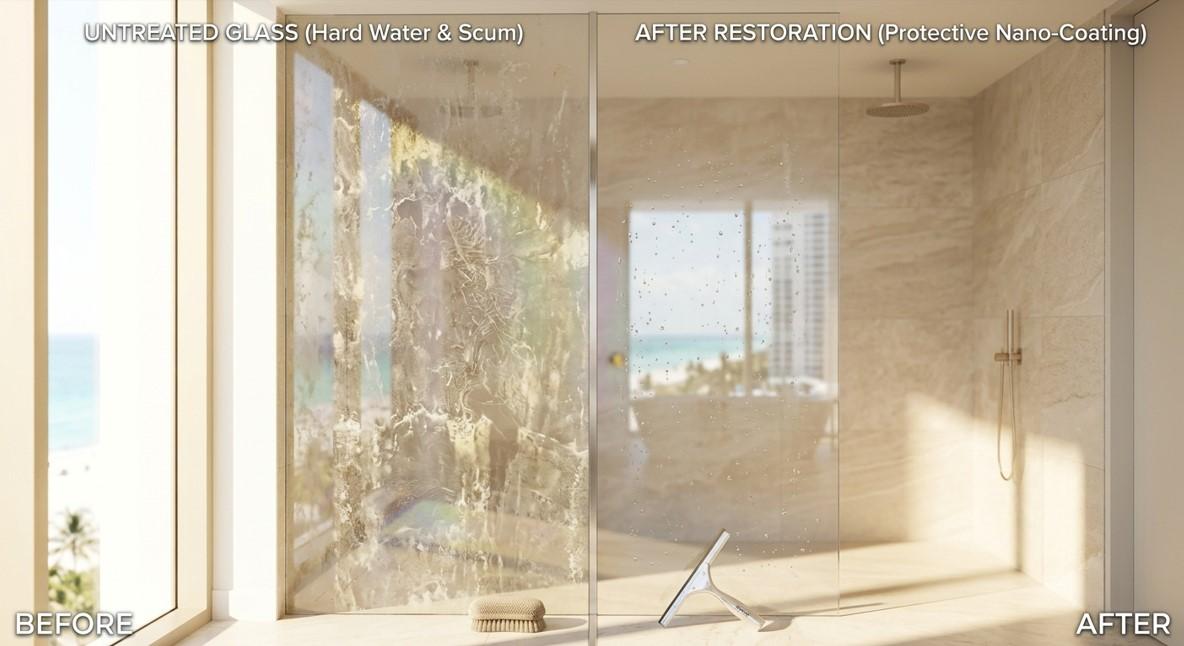
Glass is a popular choice for modern bathrooms because it creates an open appearance and allows light to move freely through the space. Shower doors, fixed panels, and glass partitions can make a bathroom feel spacious, but these surfaces face regular exposure to moisture, soap, cleaning products, and mineral deposits.
Over time, these conditions may affect the clarity and cleanliness of glass. Protective surface treatments can help reduce the impact of everyday exposure. Options such as shower glass protection and water-repellent glass treatments can make routine maintenance easier when they are selected and applied correctly.
Everyday Conditions That Affect Bathroom Glass
Bathroom glass faces several sources of wear during normal use. Water is one of the most common factors because it can leave mineral deposits when droplets evaporate.
Soap and shampoo also contribute to surface buildup. Their ingredients may leave a thin film that attracts dirt and makes glass look cloudy. If residue is not removed regularly, several layers can accumulate.
Other conditions include:
-
Frequent temperature changes during showers.
-
High humidity and limited airflow.
-
Contact with cleaning products.
-
Accidental marks from bathroom accessories.
-
Mineral-rich water that leaves visible spots.
These factors do not affect every bathroom in the same way. Water quality, cleaning frequency, and ventilation can all influence how quickly glass becomes difficult to maintain.
Why Surface Protection Is Worth Considering
Protective treatments are designed to change how certain substances interact with glass. Depending on the product, a treatment may help reduce water adhesion or make residue easier to remove.
This does not mean that treated glass becomes completely resistant to stains or scratches. Instead, the main benefit is often a reduction in the effort required for regular cleaning.
A suitable treatment can be useful for shower enclosures that receive frequent use. It may also help maintain a more consistent appearance when combined with proper cleaning habits.
The expected results depend on the product formulation, surface preparation, and environmental conditions.
Different Types of Glass Protection
Not all glass treatments serve the same purpose. Some are designed to manage moisture, while others focus on improving surface resistance.
Water-repellent treatments: These products encourage water to form droplets rather than spreading across the glass. This may reduce the amount of water left behind after a shower.
Protective coatings: Certain coatings create a thin layer over the glass that helps limit direct contact with everyday contaminants.
Easy-clean treatments: These products are intended to make soap residue and other deposits easier to remove during routine maintenance.
Specialized surface treatments: Some products are developed for particular glass types or environments and may have specific application requirements.
Choosing between these options requires attention to the glass condition and the intended use of the treatment.
How to Identify the Right Treatment
Selecting a protective product should begin with an inspection of the glass. A treatment that works well on one surface may not be suitable for another.
Consider these points before making a decision:
-
Glass type: Confirm that the product is suitable for the specific glass panel.
-
Existing condition: Check for scratches, stains, and mineral deposits.
-
Bathroom usage: Frequently used shower enclosures may need a treatment designed for regular moisture exposure.
-
Cleaning requirements: Review which cleaning products can be used after application.
-
Expected durability: Check the manufacturer's guidance about maintenance and reapplication.
It is also useful to understand that protective coatings do not repair damaged glass. Existing surface problems may need to be addressed separately.
The Role of Water Quality in Glass Maintenance
Water quality can have a noticeable effect on bathroom surfaces. Hard water contains higher concentrations of dissolved minerals, which may remain on glass after evaporation.
These deposits often appear as small white spots or cloudy patches. Repeated exposure can make them more difficult to remove with ordinary cleaning.
A protective treatment may help reduce the attachment of water and residue, but it cannot change the mineral content of the water itself.
Bathrooms with hard water may benefit from consistent drying habits and regular cleaning. In some situations, improving water quality can also help reduce mineral buildup throughout the bathroom.
Glass Protective Coating Miami FL
A glass protective coating Miami FL can help limit the effects of everyday moisture and surface contamination on suitable glass installations. In shower areas, the treatment may make water and soap residue easier to manage, helping maintain a clearer appearance between cleaning sessions.
Before applying a coating, the glass should be checked for existing deposits, scratches, and other surface conditions. Proper preparation helps create a more consistent result, while following the manufacturer's instructions supports the treatment's performance.
Bathroom humidity, water quality, and cleaning habits still influence how the surface looks over time. A protective layer should therefore be considered part of a wider maintenance routine rather than a replacement for regular care.
Preparing Glass for a Protective Treatment
Preparation is one of the most important parts of the application process. Dirt, soap film, and mineral deposits can interfere with the contact between the treatment and the glass.
A general preparation process may involve:
-
Removing loose dirt and visible bathroom residue.
-
Cleaning the glass with a compatible product.
-
Addressing mineral deposits using an appropriate method.
-
Rinsing away remaining cleaning solution.
-
Drying the surface according to product instructions.
-
Checking the glass before applying the treatment.
The exact process depends on the product being used. Some treatments require completely dry glass, while others may have different application conditions.
Careful preparation can help prevent uneven coverage and reduce the possibility of visible application marks.
What Can Reduce the Life of a Protective Layer?
Protective treatments can gradually lose effectiveness through regular use and unsuitable maintenance practices.
Frequent exposure to harsh chemicals may affect certain coating formulations. Abrasive pads and rough cleaning tools can also create unnecessary wear.
Other factors include repeated contact with mineral deposits, heavy soap buildup, and cleaning methods that do not follow the product guidance.
The lifespan of a treatment varies according to its formulation, application quality, and the conditions of the bathroom. Manufacturer instructions provide the most reliable guidance for maintenance and reapplication.
Practical Ways to Keep Protected Glass Clean
A few simple habits can help maintain the appearance of treated glass.
-
Use a soft squeegee to remove excess water after showering.
-
Wipe visible soap residue before it becomes difficult to remove.
-
Keep bathroom ventilation working properly.
-
Use non-abrasive cloths for routine cleaning.
-
Avoid unapproved chemicals and strong cleaning compounds.
-
Follow the recommended cleaning schedule for the treatment.
These steps help reduce residue accumulation and limit unnecessary wear on the glass surface.
When Does Glass Need More Than Routine Cleaning?
Not every cloudy or stained glass panel has the same problem. Some marks are caused by removable soap residue, while others result from mineral deposits or permanent surface damage.
If ordinary cleaning does not improve the appearance, the glass may need a closer assessment. A suitable inspection can help identify whether the issue involves contamination, scratches, or deterioration of an existing protective layer.
Choosing the correct solution depends on identifying the actual cause rather than repeatedly using stronger cleaning products.
Conclusion
Bathroom glass protection can make everyday maintenance more manageable by reducing the effects of moisture and residue. The right treatment, proper surface preparation, and suitable cleaning habits all contribute to long-term glass care. Regular attention remains necessary to preserve clarity and maintain a clean bathroom appearance.
- Managerial Effectiveness!
- Future and Predictions
- Motivatinal / Inspiring
- Fitness and Wellness
- Medical & Health
- Manufacturing
- Education
- Real-Estate
- Food Industry
- Hospitality
- Online Games
- Sports
- Home Services
- Civil Engineering
- Safety and Protection
- Software Products & Services
- Fashion and Jewellery
- Artificial Intelligence
- Entrepreneurship
- Mentoring & Guidance
- Marketing
- Networking
- HR & Recruiting
- Literature
- Shopping
- Career Management & Advancement