

 SkillClick
How Can a Thoughtful Packing Plan Protect Fragile Belongings During an Atlanta Move?
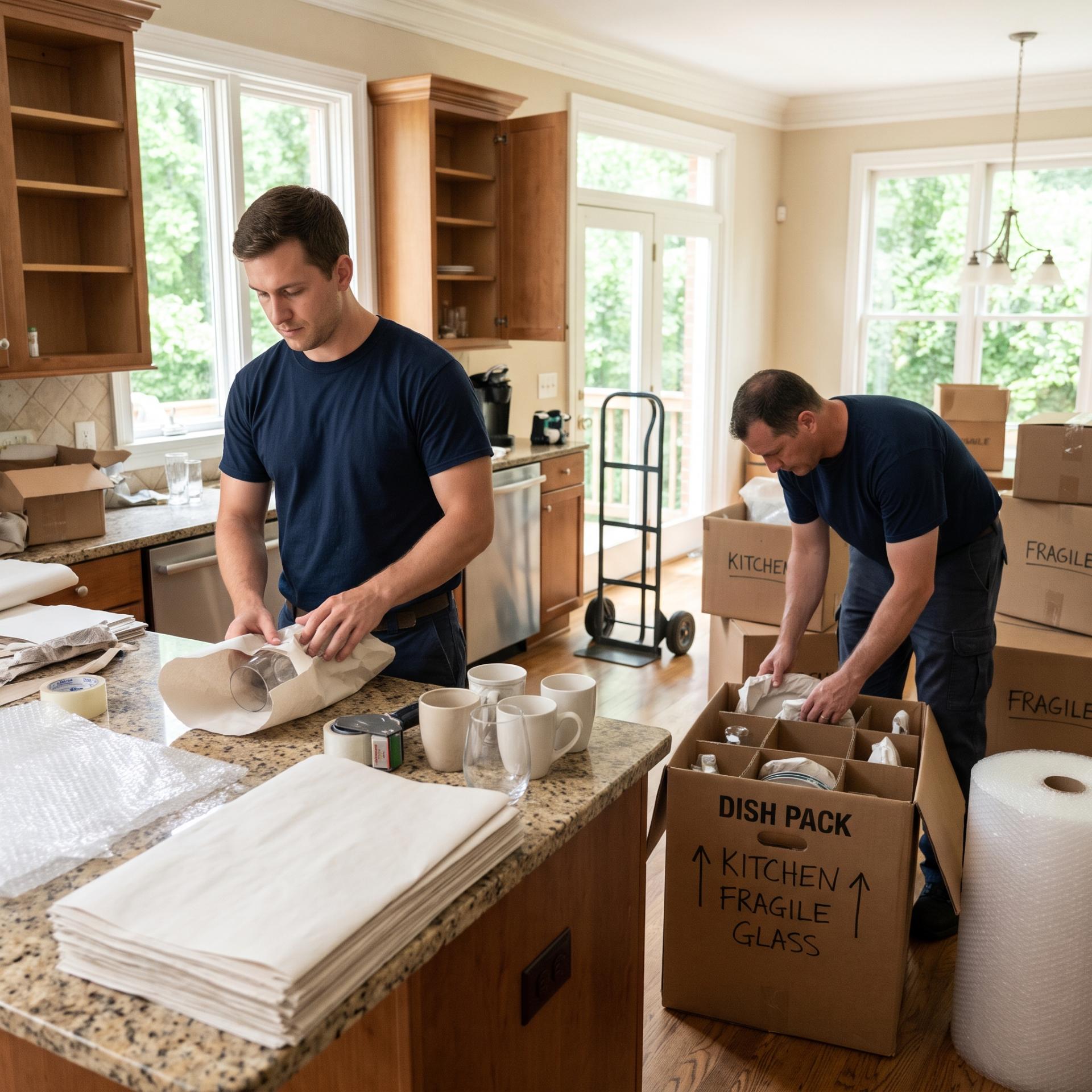
Moving involves more than getting furniture from one address to another. The condition of dishes, glassware, framed photographs, lamps, electronics, and keepsakes also matters. These belongings can be damaged when they are packed hurriedly, placed in unsuitable cartons, or allowed to move around during transportation. A thoughtful packing plan reduces those risks before moving day begins.
For households in Atlanta, Georgia, packing can compete with work, family responsibilities, lease deadlines, and the many details involved in changing homes. Organizing the process early makes it easier to protect delicate possessions without leaving every task until the final evening. A little structure prevents damage and confusion later in the move.
Why Fragile Belongings Need a Different Packing Approach
Not every household item responds to pressure or movement in the same way. Books and folded clothing can usually tolerate close packing, while glass, ceramics, mirrors, and decorative objects need cushioning and stable placement. A carton that is safe for linens may be unsuitable for a collection of drinking glasses.
Damage often begins inside the box. Items can touch, rub, or strike one another when empty spaces remain. Excessive weight can also weaken a carton, while an overloaded container may be difficult to lift safely. Packing should therefore consider the item's material, shape, weight, and vulnerability rather than treating every object alike.
Identify Items Before Choosing Boxes
Start by sorting belongings into practical groups: everyday kitchenware, delicate decorations, framed pieces, electronics, and items requiring special attention. This inventory helps determine which supplies are needed and which objects should travel separately. It also gives household members a chance to identify pieces with sentimental or financial importance before packing starts.
Choosing Materials That Match the Item
The right packing materials create a protective layer between an object and the outside of its carton. Sturdy boxes, clean packing paper, bubble wrap, dividers, quality tape, and clear labels each have a role. Reusing a carton is reasonable only when it remains clean, dry, structurally sound, and appropriate for the weight it will carry.
Dish-pack cartons are useful for glassware and china because their stronger construction and dividers help separate individual pieces. Smaller boxes are generally better for dense objects such as books or tools. Larger cartons work better for lighter belongings, including pillows and linens. The goal is a container that can be lifted securely without crushing its contents.
Wrap, Cushion, and Fill Empty Spaces
Wrap each fragile piece individually. Use packing paper for many dishes and household objects, adding bubble wrap or other suitable cushioning when extra protection is needed. Place heavier pieces toward the bottom of a box and lighter pieces above them, while avoiding pressure on delicate edges or handles.
Fill gaps so contents cannot shift when the carton is gently moved. Do not use excessive force to squeeze items into place. Plates are commonly packed vertically with cushioning between them rather than stacked in a tall, unsupported pile. Glasses should be protected individually, with their interiors and stems given attention where appropriate.
Organizing a Room-by-Room Packing Schedule
A room-by-room plan keeps similar belongings together and makes unpacking more manageable. Begin with items that are rarely used, such as seasonal decorations, spare linens, display pieces, and books. Leave daily essentials accessible until closer to departure.
The kitchen often deserves extra time because it contains many small, breakable objects and items used every day. Pack occasional-use dishes first, then move toward everyday plates, glasses, cookware, and utensils as moving day approaches. Keep a small set of essentials available for the final meals and morning routine.
Label for the Destination, Not Just the Contents
A useful label identifies the destination room and gives a short description of the contents. Mark fragile cartons clearly on more than one side, so the warning remains visible when boxes are stacked. Labels should be readable and consistent rather than crowded with long inventories.
Planning for Atlanta Moving-Day Conditions
A local move still involves practical details that affect packed belongings. Atlanta households may be moving from a high-rise apartment, a townhouse, a suburban home, or a property with limited driveway access. Hallways, stairs, elevators, loading areas, and the distance between the entrance and truck can influence how cartons should be staged.
Check building requirements and reserve elevator or loading access when necessary. Keep pathways clear, protect floors where appropriate, and avoid placing packed boxes where rain or outdoor moisture can reach them. If weather is uncertain, arrange a covered staging area and keep cartons dry while they wait to be loaded.
When Professional Packing Help Makes Sense
Packing independently can work well when a household has enough time, a manageable number of belongings, and few delicate items. It also allows people to organize personal possessions at their own pace. However, packing a full home requires planning, materials, consistent labeling, and many hours of careful work.
Professional assistance may be useful when deadlines are tight, a kitchen contains extensive glassware, artwork needs special attention, or household members cannot manage the workload. Some households choose full-home packing; others ask for help with selected rooms or fragile belongings only. This flexible approach can leave straightforward items for the household while giving vulnerable possessions more focused attention.
Households looking for a packing service in Atlanta, Georgia can review the available full and partial packing options from Magic Movers ATL and decide whether professional help fits their moving plan. A useful starting point is an accurate discussion of the rooms involved, fragile belongings, timing, and any special handling requirements.
Preparing for the Packers' Arrival
A little preparation makes a packing appointment more productive. Sort items that will be donated, discarded, or sold before the crew arrives. Set aside documents, valuables, medications, chargers, and a change of clothes. Clear counters and tables so workers have room to wrap and box belongings.
For households that mainly need help with breakables, asking about fragile item packing in Atlanta, Georgia can make the conversation more specific. Explain whether the concern is glassware, mirrors, artwork, collectibles, or electronics, since each category may require different materials and preparation.
Making Unpacking Easier Before the Move
Packing decisions influence the first hours in a new home. Keep an essentials box separate and label it clearly. Include practical items such as basic toiletries, a few kitchen necessities, towels, chargers, and supplies needed immediately after arrival. Carry medications, important documents, and valuables personally.
When boxes reach the destination, place them in their labeled rooms instead of creating one large pile near the entrance. Open fragile cartons on a stable surface and remove cushioning carefully. Check delicate items as they are unpacked, and keep packaging materials available until contents have been inspected.
A Safer Move Starts Before the First Box Is Sealed
Protecting household belongings is not a single trick; it is the result of sensible decisions made throughout the packing process. Choosing suitable cartons, wrapping delicate objects individually, filling empty spaces, labeling clearly, and planning access all contribute to a more controlled move.
- Managerial Effectiveness!
- Future and Predictions
- Motivatinal / Inspiring
- Fitness and Wellness
- Medical & Health
- Manufacturing
- Education
- Real-Estate
- Food Industry
- Hospitality
- Online Games
- Sports
- Home Services
- Civil Engineering
- Safety and Protection
- Software Products & Services
- Fashion and Jewellery
- Artificial Intelligence
- Entrepreneurship
- Mentoring & Guidance
- Marketing
- Networking
- HR & Recruiting
- Literature
- Shopping
- Career Management & Advancement