

 SkillClick
How Can Seniors Make the Transition to a New Home More Comfortable and Less Stressful?
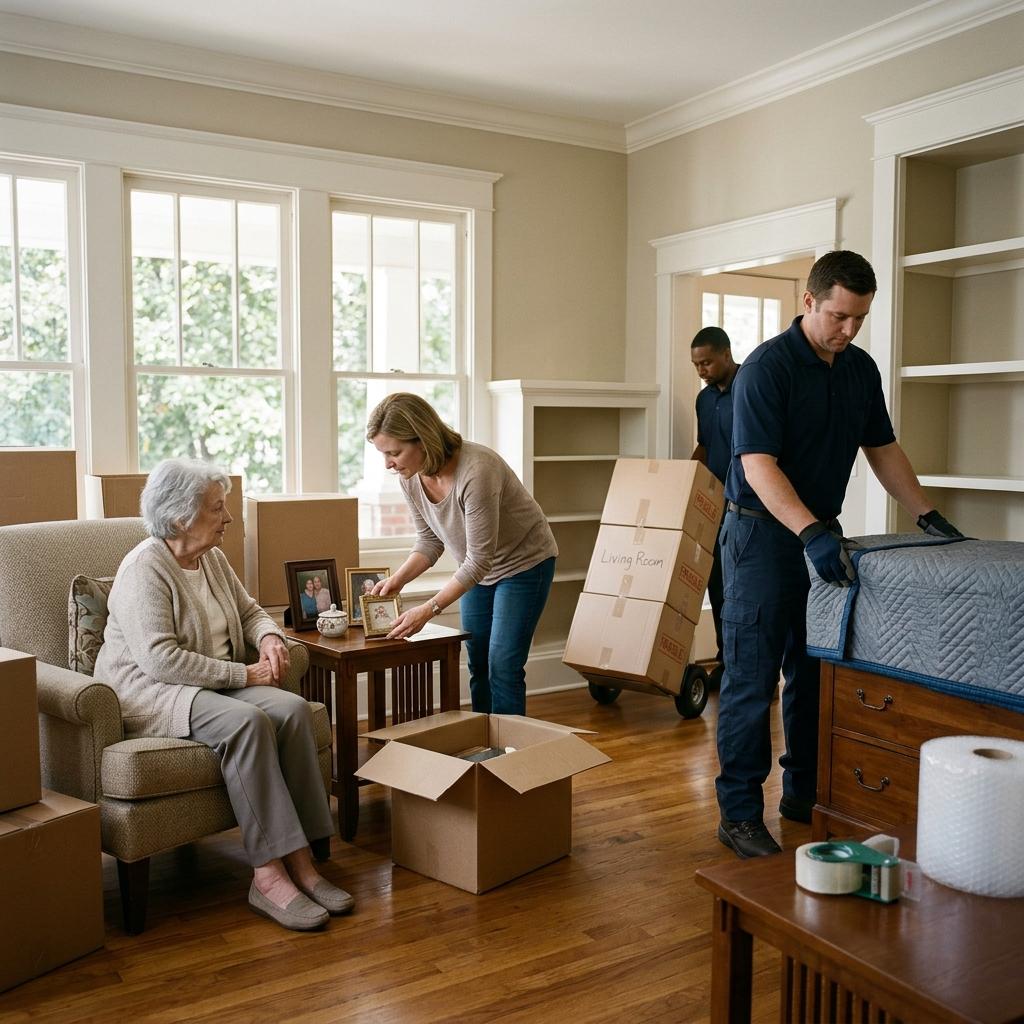
Moving later in life is rarely just a matter of putting furniture into boxes. A familiar home may hold decades of routines, family milestones, friendships, and personal history. Leaving it can bring relief and opportunity, but it can also create uncertainty, especially when the next home is smaller or offers a different level of support. For older adults and the relatives helping them, a thoughtful plan can make the transition feel manageable rather than overwhelming.
In Atlanta, Georgia, senior relocations may involve moving from a longtime family house to a smaller residence, joining relatives, or settling into a retirement or assisted living community. Each situation has practical details. Plans begin with the senior's priorities, allow enough time for decisions, and treat familiar belongings with respect.
Start With the Person, Not the Moving Checklist
Before arranging boxes or booking a truck, talk about what the older adult wants from the move. Ask what feels exciting, what feels difficult, and which parts of the current routine they most want to preserve. Some people look forward to less maintenance or being closer to family. Others may worry about leaving neighbors, a garden, or rooms associated with important memories.
Keep the conversation specific and unhurried. Rather than asking someone to decide the fate of an entire household at once, discuss one room or category at a time. Offer choices without taking control. Family members can provide support, but the person moving should remain involved in decisions whenever possible.
Make Downsizing a Series of Small Decisions
A smaller home often cannot accommodate every item accumulated over many years. That does not mean the process should become a rushed cleanout. Begin with a floor plan or measurements of the new rooms. Identify essential furniture first, then consider storage, walkways, and the places where everyday items will be used.
Sort by Use, Space, and Meaning
Work in short sessions and focus on one area at a time. Create clear groups: items moving to the new home, belongings offered to family, donations, items for disposal, and possessions that need a later decision. A temporary “not sure” group can prevent a difficult choice from stopping progress, but give it a review date so it does not become another full storage pile.
Ask the senior which belongings matter most. A small collection of photographs, a favorite reading lamp, a familiar quilt, or a well-used chair may contribute more to feeling settled than several large pieces of furniture. Photographing an item that cannot move can preserve its place in family history without requiring space for it.
Coordinate Family Keepsakes Fairly
Avoid assuming that an item should go to a particular person because of age, family role, or past ownership. Clear decisions reduce last-minute disagreements and help the move stay focused on the older adult's needs.
Prepare the New Home Before Moving Day
A comfortable arrival depends on more than getting belongings through the door. If possible, visit the new residence before the move and check room dimensions, entrances, lighting, storage, and the location of bathrooms. Measure larger furniture and confirm that it can pass through doorways and hallways.
Think about daily movement through the space. Keep frequently used items within easy reach and avoid blocking natural walking paths with boxes or furniture. Make sure lighting is adequate, rugs do not create tripping hazards, and commonly used controls are easy to access. If mobility or health needs affect the layout, ask the appropriate healthcare professional or occupational therapist for guidance rather than guessing.
For a move into a senior living community, contact staff early. Ask about delivery windows, elevator reservations, furniture dimensions, labeling requirements, parking, and any restrictions on wall hangings or appliances. Policies differ between communities, so confirm details directly instead of relying on assumptions.
Plan a Moving Day Around Comfort and Safety
A long, noisy day can be tiring. Build a schedule that reflects the senior's energy, medication routine, meals, and need for rest. If possible, arrange for the older adult to spend the busiest part of the move in a quiet, comfortable place with a trusted relative or support person. They should still have a way to ask questions and make decisions when needed.
Pack an essentials bag separately. Include medications in their original containers, important documents, glasses, a phone and charger, toiletries, a change of clothes, water, snacks, and anything needed for the first night. Keep valuables and irreplaceable personal items with a family member rather than placing them in the moving truck.
Clearly label boxes by destination room and priority. Mark the boxes that contain bedding, bathroom supplies, basic kitchen items, and everyday clothing so they can be opened first. Keep pathways clear at both homes, and let trained movers handle heavy lifting. Family members should not attempt to carry bulky furniture or awkward loads simply to speed up the schedule.
When comparing senior moving in Atlanta, GA options, ask prospective companies how they plan the schedule, protect furniture, communicate with family, and handle special instructions. Discuss access conditions, stairs, elevators, parking, and the number of stops before confirming arrangements. A clear written estimate and a shared inventory can help everyone understand what is expected.
Protect Belongings That Carry Personal Meaning
Sentimental possessions deserve practical protection as well as care. Wrap framed photographs, ceramics, glassware, and keepsakes individually. Use sturdy boxes that are not overloaded, cushion empty spaces, and label fragile cartons clearly. Keep important papers, jewelry, cash, and small irreplaceable objects separate from general household packing.
Before furniture is moved, note existing scratches or damage and take photographs when useful. Remove loose shelves and secure drawers as appropriate. If a piece needs disassembly, keep its hardware in a labeled bag attached to the item or stored in a clearly identified parts box.
The goal is not to treat every possession as fragile. It is to recognize which items have special practical or emotional value and plan their handling accordingly.
Keep Communication Simple for Everyone
Senior moves often involve several people: the older adult, adult children, relatives, residence staff, and service providers. Confusion can grow when each person has different information. Prepare a one-page contact sheet with names, phone numbers, arrival details, and the person authorized to answer routine questions.
Families considering senior downsizing and relocation in Atlanta, GA should also separate the sorting process from the physical move whenever possible. Giving decisions their own time makes it easier to focus on safe transportation and a comfortable arrival on moving day.
Help the New Place Feel Familiar
After arrival, prioritize the rooms and objects that support daily routines. Set up the bed, bathroom essentials, frequently used clothing, and a comfortable place to sit. Arrange a few familiar photographs or meaningful decorations where they can be seen. Familiar details can make an unfamiliar room feel more personal.
Do not try to unpack every box immediately. Start with necessities, then work through the remaining belongings over several days. Check that important items are easy to find and that walkways remain open. If the senior is moving into a community, introduce them to staff and review practical routines such as meal times, activity schedules, visitor procedures, and how to request assistance.
A Thoughtful Move Begins With Respect
A senior relocation is more than a change of address. It is a transition involving identity, independence, family relationships, and everyday comfort. Starting early, making downsizing decisions gradually, preparing the destination, protecting meaningful belongings, and communicating clearly can reduce avoidable pressure.
For families in Atlanta, the best plan is one shaped around the older adult rather than a rigid timetable. Give the person a voice, ask for help where needed, and make room for both practical tasks and emotions. With patience and careful coordination, a new home can become a place where familiar routines continue and a new chapter begins with greater confidence.
- Managerial Effectiveness!
- Future and Predictions
- Motivatinal / Inspiring
- Fitness and Wellness
- Medical & Health
- Manufacturing
- Education
- Real-Estate
- Food Industry
- Hospitality
- Online Games
- Sports
- Home Services
- Civil Engineering
- Safety and Protection
- Software Products & Services
- Fashion and Jewellery
- Artificial Intelligence
- Entrepreneurship
- Mentoring & Guidance
- Marketing
- Networking
- HR & Recruiting
- Literature
- Shopping
- Career Management & Advancement