

 SkillClick
How Can Expert Walkway Designs with Pavers Transform Your Lawrenceville, GA Home?
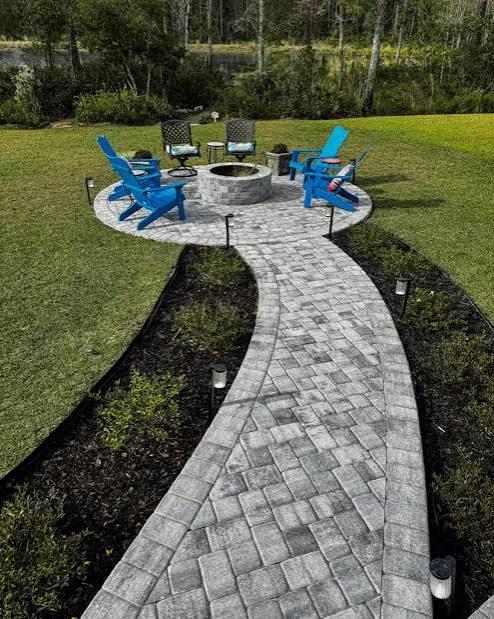
Expert walkway designs with pavers in Lawrenceville, GA can transform an ordinary front yard into a welcoming, attractive, and functional outdoor space. A professionally planned paver walkway connects your driveway, front entrance, garden, and backyard while improving curb appeal and providing a stable walking surface. Whether you prefer a modern geometric pathway, a traditional brick-style design, or a natural-looking garden walkway, choosing the right materials and installation method is essential. For homeowners in Lawrenceville, Georgia, proper grading, drainage, and base preparation are particularly important when planning a walkway that must withstand rainfall, humidity, and changing seasonal conditions.
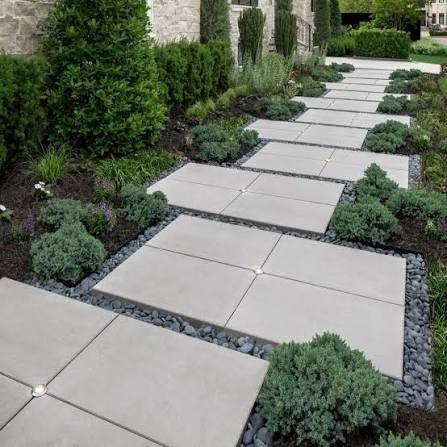
This guide explains popular paver walkway designs, material options, installation steps, maintenance practices, and the differences between pavers and other walkway materials.
Why Choose Paver Walkway Designs for Your Lawrenceville Home?
Pavers combine design flexibility with practical performance. They are available in different sizes, colors, textures, and shapes, making it easier to coordinate a walkway with your home's exterior and landscaping.
Here are several benefits of installing a paver walkway:
· Improved curb appeal: A carefully designed path creates an attractive entrance and complements your garden and lawn.
· Flexible design options: Homeowners can choose straight, curved, formal, or natural-looking layouts.
· Individual repairs: If a paver becomes damaged or settles, individual units can often be lifted and replaced.
· Defined outdoor spaces: Walkways create clear routes between entrances, patios, gardens, and other outdoor areas.
· Long-term usability: A properly installed walkway provides a stable surface for everyday foot traffic.
The finished result depends on more than the pavers themselves. Excavation, compaction, edge restraints, and drainage planning all contribute to the walkway's performance.
What Are the Best Paver Walkway Designs in Lawrenceville, GA?
The best walkway design depends on your home's architectural style, available space, budget, and intended use.
1. Herringbone Paver Walkways
Herringbone is a distinctive pattern in which rectangular pavers form repeated interlocking angles. The pattern creates visual movement and works well for traditional and contemporary homes.
Best for: Main entrances, frequently used paths, and walkways that benefit from a strong visual pattern.
Choose complementary paver colors to make the design stand out without overwhelming the surrounding landscape.
2. Running Bond Paver Walkways
Running bond uses offset rows of rectangular pavers, similar to traditional brickwork. Its clean appearance makes it suitable for front entrances, side yards, and garden paths.
Best for: Traditional homes, narrow walkways, and homeowners who prefer a simple, timeless design.
A contrasting border can give the walkway a more finished appearance.
3. Modern Geometric Walkways
Modern walkway designs often use large-format rectangular or square pavers with clean lines and restrained color combinations.
Gray, charcoal, beige, and other neutral tones can complement contemporary siding, stone accents, and minimalist landscaping.
Best for: Modern homes, simple landscape layouts, and homeowners seeking a neat, structured appearance.
4. Curved Garden Walkways
Curved pathways create a softer transition between the lawn, flower beds, and outdoor seating areas. They can also help a walkway follow the natural shape of a garden or avoid existing trees.
Best for: Cottage gardens, landscaped backyards, and informal outdoor spaces.
Plan the curves carefully to maintain a comfortable walking route. Avoid unnecessarily tight turns that make the path difficult to use.
5. Natural Stone-Look Paver Walkways
Textured pavers designed to resemble natural stone can create a relaxed, organic appearance. Their varied surfaces and complementary colors work well with shrubs, decorative grasses, and garden beds.
Best for: Rustic homes, natural landscaping, and pathways leading to patios or backyard retreats.
Select products rated for pedestrian use and consider how their surface texture will perform when wet.
Step-by-Step Guide to Paver Walkway Installation
A successful paver walkway installation requires a clear plan and careful preparation. Follow these steps to understand how the process works.
Step 1: Assess Your Property and Plan the Layout
Begin by identifying where the walkway should start and end. Consider the front door, driveway, garage, garden, patio, and other destinations.
Measure the proposed route and mark its boundaries with stakes and string or landscape marking paint.
Evaluate the ground for slopes, tree roots, existing utilities, and areas where water collects. Before digging, arrange for underground utility locations to be marked through the appropriate service.
Step 2: Select the Right Pavers
Choose pavers according to your preferred appearance, expected foot traffic, and maintenance requirements.
Consider these factors:
· Color compatibility with the house exterior.
· Paver size and thickness suitable for the intended use.
· Surface texture and slip resistance.
· Product durability and manufacturer recommendations.
· Availability of matching replacement units.
Request physical samples when possible. Outdoor lighting can make colors appear different from how they look indoors.
Step 3: Prepare the Ground
Marking the layout is followed by excavation to the depth required for the pavers, bedding layer, and compacted aggregate base.
The necessary depth depends on soil conditions, paver specifications, and the walkway's intended use. Remove organic material and unsuitable soil that could contribute to settlement.
In areas with clay-heavy soil or poor drainage, assess the subgrade carefully before continuing.
Step 4: Install and Compact the Base
Spread suitable crushed aggregate in layers and compact each layer using appropriate equipment. The base provides structural support and helps distribute loads across the ground.
Do not assume that adding more bedding sand can compensate for an unstable foundation. An inadequately compacted base can lead to sinking, uneven joints, and trip hazards.
Step 5: Establish the Bedding Layer
Install an even bedding layer of material recommended for the selected paver system. Screed it to create a consistent surface without disturbing the prepared base.
Bedding material helps position the pavers; it should not be used to correct major variations in the underlying ground.
Step 6: Lay the Pavers and Install Edging
Place the pavers according to the selected pattern, maintaining consistent alignment and joint spacing. Cut edge pieces carefully where necessary.
Install suitable edge restraints to help prevent the outside pavers from spreading over time.
Check the surface regularly for alignment and consistent height throughout the walkway.
Step 7: Fill the Joints and Finish the Surface
Use the jointing material specified for the paver system. For many flexible installations, this involves sweeping suitable joint sand into the gaps and compacting the surface according to manufacturer instructions.
Clean the finished walkway and inspect the edges, transitions, and walking surface.
Step 8: Check Drainage and Final Safety
Confirm that water drains away from the house and does not create puddles along the path. The correct slope depends on site conditions, accessibility requirements, and the installation design.
Check for rocking pavers, raised edges, loose joints, and abrupt changes in height. Correct these issues before the walkway is put into regular use.
Which Paver Materials Are Best for Walkways?
Different paver materials offer different combinations of appearance, durability, installation requirements, and cost.
|
Paver material |
Main advantages |
Potential limitations |
Suitable applications |
|
Concrete pavers |
Wide selection of shapes, colors, and patterns |
Color and surface appearance vary by product quality |
Modern, traditional, and garden walkways |
|
Clay brick pavers |
Classic appearance and traditional character |
Color options and dimensions may be more limited |
Traditional homes and formal entrances |
|
Natural stone |
Distinctive textures and natural variation |
Material and installation costs can be higher |
Premium garden paths and custom landscapes |
|
Permeable pavers |
Designed to allow water to pass through joints or the paving system |
Require a properly designed drainage and aggregate system |
Suitable sites where stormwater management is a priority |
The best option depends on your project requirements rather than appearance alone. Confirm that the selected product is designed for the intended application.
Pavers vs. Concrete vs. Gravel: What Is the Difference?
Understanding the alternatives helps homeowners choose a walkway that fits their priorities.
|
Feature |
Paver walkway |
Poured concrete |
Gravel walkway |
|
Appearance |
Highly customizable patterns |
Smooth, uniform surface |
Natural, informal appearance |
|
Repair approach |
Individual units can often be replaced |
Cracks may require patching or slab replacement |
Gravel can be replenished and redistributed |
|
Surface stability |
Good when properly installed |
Good with suitable design and preparation |
Can shift or scatter under foot traffic |
|
Installation |
Requires detailed base and joint preparation |
Requires forming, placement, and curing |
Requires suitable grading and containment |
|
Maintenance |
Joint and surface maintenance as needed |
Crack and surface monitoring |
Periodic raking and replenishment |
|
Typical use |
Decorative and functional paths |
Simple, continuous walking surfaces |
Informal garden and utility paths |
Which is better? Pavers are worth considering when design flexibility and repairability are priorities. Concrete may suit homeowners who prefer a continuous surface, while gravel can work for informal garden paths. Site conditions, installation quality, and the total project budget should guide the decision.
How to Design a Walkway for Lawrenceville's Weather and Landscape
Outdoor walkways in Lawrenceville should be designed around local site conditions rather than appearance alone. Expert walkway designs with pavers in Lawrenceville, GA combine practical drainage, durable materials, stable ground preparation, and landscaping to create an attractive and functional outdoor space.
Plan for Rainfall and Drainage
Georgia rainfall can expose problems caused by poor grading. Water should not collect against the house, wash out the walkway base, or erode nearby planting beds.
Consider appropriate grading, drainage improvements, and suitable materials where runoff is a concern. Permeable pavers may be an option when the soil, groundwater conditions, and engineered base allow infiltration.
Consider Soil and Ground Stability
Soil conditions vary from property to property. Clay-rich or poorly drained areas may require additional preparation and a carefully designed base.
If your yard has soft spots, recurring puddles, or noticeable settlement, investigate the cause before installing new paving. Proper ground preparation is an essential part of expert walkway designs with pavers in Lawrenceville, GA, helping support long-term stability and performance.
Add Landscaping and Lighting
Complete the design with carefully selected landscape features, such as low-growing plants, mulch beds, shrubs, or decorative stone borders.
Path lights can improve visibility after dark. Position them to illuminate changes in elevation and walking areas without creating excessive glare.
Keep plants from obstructing the path and allow enough room for their mature growth. Combining thoughtful landscaping with well-planned paver placement can create a welcoming walkway that complements the property's outdoor environment.
What Affects the Cost of Paver Walkway Installation?
The cost of a walkway depends on several project-specific factors:
· Walkway size: Larger paths generally require more pavers, aggregate, labor, and excavation.
· Material selection: Premium pavers and natural stone can increase material expenses.
· Layout complexity: Curves, decorative borders, and intricate patterns may require additional cutting and labor.
· Ground preparation: Poor soil, slopes, tree roots, and drainage problems may add work.
· Additional features: Steps, landscape lighting, retaining structures, and edging can affect the final budget.
Ask for an itemized estimate that identifies materials, excavation, base preparation, drainage work, installation, and cleanup. Comparing estimates with the same scope makes it easier to evaluate overall value.
Frequently Asked Questions
1. What is the best paver pattern for a front walkway?
Herringbone, running bond, and geometric patterns are popular choices. Herringbone creates a strong visual feature, while running bond provides a classic, understated appearance. The right choice depends on your home's style and the walkway's dimensions.
2. How long does paver walkway installation take?
A straightforward residential walkway may take a few days, but the schedule varies with the size, complexity, weather, access, and site preparation requirements. Ask your contractor for a project-specific timeline.
3. Do paver walkways work well in Lawrenceville, GA?
Paver walkways can work well in Lawrenceville when they are designed for the site's soil, drainage, rainfall exposure, and expected foot traffic. Proper base preparation and edge restraints are essential to long-term performance.
4. How can I prevent pavers from sinking or becoming uneven?
Start with proper excavation, suitable base materials, and thorough compaction. Address drainage problems before installation and ensure the bedding layer and edge restraints are installed correctly.
5. Are paver walkways difficult to maintain?
Routine maintenance is generally straightforward. Remove leaves and debris, control weeds, inspect joints and edges, and address settlement or drainage issues early. Follow the manufacturer's recommendations for cleaning and sealing.
6. Can pavers be installed around an existing garden?
Yes. A walkway can be designed to follow garden beds, accommodate existing trees where practical, and connect different outdoor areas. Protect tree roots and avoid layouts that compromise drainage or safe walking access.
7. Are permeable pavers a good option for managing rainwater?
They can be appropriate when the entire system is designed for local soil and drainage conditions. Permeable pavers rely on suitable joints, aggregate layers, and an appropriate infiltration or drainage arrangement; they do not automatically eliminate runoff problems.
Conclusion
Expert walkway designs with pavers in Lawrenceville, GA, combine attractive patterns, suitable materials, careful installation, and effective drainage planning. Whether you choose a classic brick-style path, a modern geometric layout, a herringbone pattern, or a curved garden walkway, the best results begin with a design that suits your property.
By following a step-by-step installation process, comparing material options, and addressing site conditions before construction, homeowners can create a walkway that complements their landscaping and remains functional over time.
Article Written By: Rank Business Listings
- Managerial Effectiveness!
- Future and Predictions
- Motivatinal / Inspiring
- Fitness and Wellness
- Medical & Health
- Manufacturing
- Education
- Real-Estate
- Food Industry
- Hospitality
- Online Games
- Sports
- Home Services
- Civil Engineering
- Safety and Protection
- Software Products & Services
- Fashion and Jewellery
- Artificial Intelligence
- Entrepreneurship
- Mentoring & Guidance
- Marketing
- Networking
- HR & Recruiting
- Literature
- Shopping
- Career Management & Advancement