

 SkillClick
How to Plan a Whole-Home Renovation for Better Everyday Living
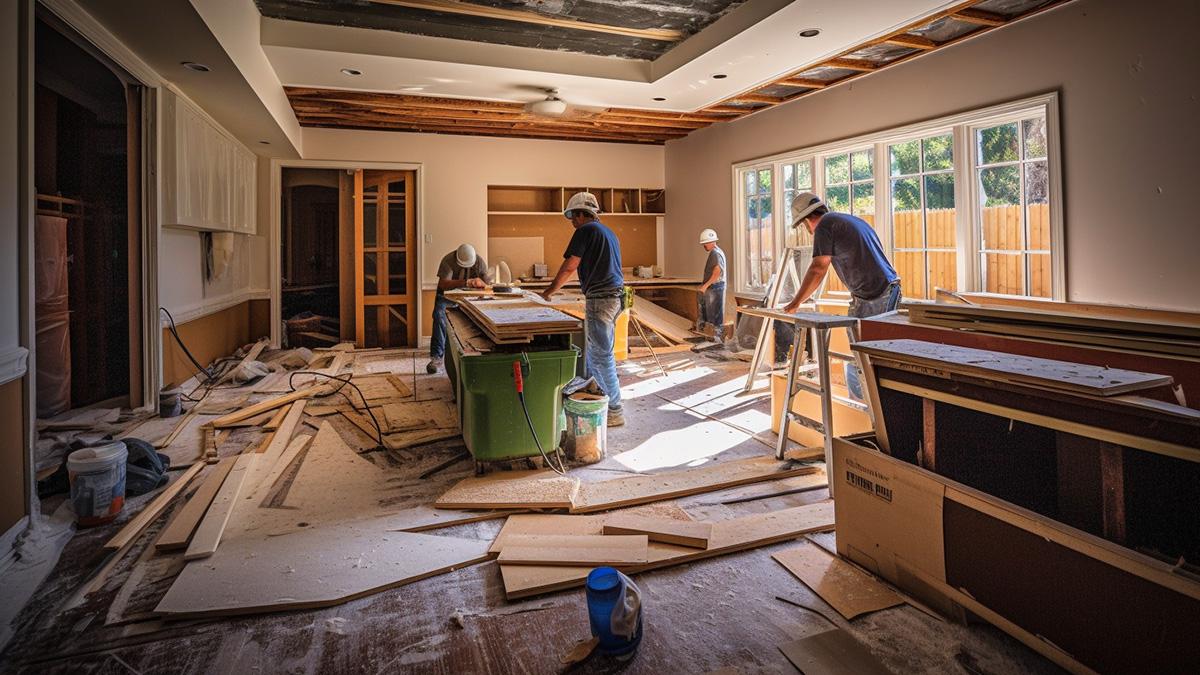
Renovating an entire home gives homeowners an opportunity to improve comfort, update older features, and make better use of available space. A property that once suited a household may no longer meet its needs as family routines change. Rooms may feel disconnected, storage may be limited, and older finishes or building systems may require attention. A well-planned renovation can address these concerns while creating a more consistent design throughout the home.
A whole-home project involves more than updating individual rooms. Flooring, lighting, plumbing, electrical systems, cabinetry, and interior finishes may all need to work together. In Central Texas, homeowners may also want to consider summer heat, indoor comfort, insulation, and ventilation when deciding which improvements to prioritize. Careful preparation helps turn a large project into a series of manageable decisions.
Define the Purpose of the Renovation
Before selecting materials or planning construction, identify the main reasons for renovating. Some homeowners want to modernize an older property, while others need a more practical layout or additional storage. Establishing clear goals helps prevent unnecessary work and keeps decisions focused on the household's needs.
Walk through the property and make a list of problems in each room. The kitchen may lack preparation space, bedrooms may need better storage, or the living area may have poor lighting. Some concerns will require immediate repairs, while others may be cosmetic improvements that can be considered later.
It is useful to divide the list into essential work, important upgrades, and optional features. This makes it easier to allocate the budget and decide which parts of the project should happen first.
Assess the Home's Existing Condition
A whole-house renovation should begin with an assessment of the property's condition. Attractive new finishes will not solve problems hidden behind walls, beneath flooring, or within aging building systems.
Look for visible signs of water damage, damaged surfaces, sticking doors, cracks that require professional assessment, and areas where ventilation appears inadequate. Older properties may also need attention to wiring, plumbing, insulation, or heating and cooling equipment.
Homeowners should arrange professional evaluations when there are concerns about structural components or major building systems. Identifying problems before construction can help determine the correct scope of work and reduce the chance of having to remove newly installed finishes later.
A written record of existing issues, measurements, and photographs can also help when discussing the project with contractors.
Create a Practical Budget
Budgeting for a whole-home renovation requires looking beyond the cost of visible materials. Labor, demolition, disposal, design services, permits where required, inspections, and repairs to existing systems may all affect the final amount.
Request estimates that describe the work in detail. A proposal should clarify which rooms are included, what materials are specified, and whether plumbing, electrical, flooring, painting, and other tasks are part of the price.
It is also sensible to reserve a contingency amount for unexpected conditions. Removing old finishes can reveal problems that were not visible during the initial inspection. Having some flexibility in the budget can help homeowners address necessary repairs without abandoning important parts of the project.
If the planned work exceeds the available budget, consider dividing optional upgrades into later phases rather than reducing the quality of essential repairs.
Develop a Consistent Design
A whole-home renovation often looks more cohesive when rooms share a clear design direction. This does not mean every space must look identical. Instead, colors, materials, lighting, and finishes should complement one another as people move through the property.
Choose a practical palette before ordering flooring, paint, cabinets, or other major materials. Consider how natural light changes between rooms and whether existing features will remain in place.
Flooring transitions deserve particular attention. Using compatible materials and carefully planned transitions can make different areas feel connected without requiring the same flooring everywhere.
Hardware, interior doors, trim, and lighting fixtures can also contribute to a consistent appearance. Selecting these details together may help prevent a collection of unrelated finishes from developing during construction.
Improve the Layout and Flow
A renovation can improve how a home functions without necessarily increasing its size. Moving furniture, changing door locations, or improving storage may solve some problems, while more substantial changes may require professional design work.
Consider how people move between the kitchen, living room, bedrooms, and bathrooms. Narrow pathways, poorly placed doors, and awkward room divisions can make a home feel less convenient than it needs to be.
Open layouts may suit some households, but removing a wall is not always the best solution. A wall may support part of the structure or contain electrical wiring, plumbing, or ventilation equipment. Its role should be confirmed before any demolition takes place.
Storage should also be considered throughout the property. Built-in cabinets, well-designed closets, and practical shelving can help reduce clutter and make everyday belongings easier to organize.
Coordinate the Construction Sequence
The order of construction tasks can affect both cost and schedule. Necessary demolition and structural work usually need to happen before new finishes are installed. Plumbing, electrical, and heating or cooling work must be coordinated with framing and other repairs.
For example, installing new flooring before completing major plumbing work can create avoidable rework. Similarly, walls should not be closed until required inspections and necessary work inside them have been completed.
Homeowners should discuss the proposed sequence with the contractor before construction begins. A written schedule can identify important stages, expected delivery dates, and decisions that need to be made before the next phase can proceed.
If the home will remain occupied during the renovation, the plan should also address access to essential rooms, dust control, temporary storage, and arrangements for cooking or bathing when those areas are unavailable.
Select Materials for Durability
Materials should suit the purpose of each room and the amount of daily use it receives. Flooring in busy areas needs to handle regular foot traffic, while kitchen surfaces should be practical for food preparation and cleaning.
Bathroom materials require particular attention to moisture, and window coverings should suit the room's light exposure and privacy needs. Cabinet finishes, paint, and hardware should also be selected with cleaning and maintenance in mind.
In Central Texas, homeowners may want to consider how heat, sunlight, and humidity affect interior comfort and material performance. Appropriate insulation, air sealing, ventilation, and suitable window treatments can help address these concerns, depending on the existing property.
Compare samples under the lighting conditions found in the home. Ask about cleaning instructions, warranty coverage, and installation requirements before finalizing selections.
Plan for Energy Efficiency and Comfort
Whole-home renovations can provide an opportunity to review how effectively a property manages indoor temperatures. Older windows, insufficient insulation, air leaks, or poorly maintained equipment may affect comfort and energy use.
The most suitable improvements depend on the home's condition. An assessment may help determine whether insulation, air sealing, window upgrades, or heating and cooling adjustments should be prioritized.
Ventilation is another important consideration. Kitchens and bathrooms generate moisture, and appropriate exhaust systems can help remove humid air. Any ventilation changes should be planned so that air is discharged to a suitable location rather than into enclosed spaces.
Homeowners should compare the expected benefits and costs of proposed upgrades instead of assuming that the most expensive option will always provide the best result.
Choose the Right Remodeling Professional
A large renovation requires clear communication, realistic scheduling, and coordination between different trades. Before hiring a contractor, review relevant experience, references, insurance, and any licensing requirements that apply to the planned work.
When considering Full House Remodeling in Central Texas, homeowners should request a detailed written proposal that explains the project scope, material selections, schedule, payment terms, and procedures for handling changes. They should also clarify who will coordinate subcontractors and manage any required permits or inspections.
Compare estimates based on what each proposal includes rather than looking only at the final price. A lower estimate may exclude work that another contractor has included, making a direct comparison misleading.
Keep copies of contracts, approved changes, receipts, and important project communications. Clear documentation helps everyone remain aware of the agreed responsibilities.
Review the Completed Work
As the renovation nears completion, walk through the home and compare the finished work with the agreed scope. Check doors, drawers, fixtures, flooring transitions, paintwork, and other visible details.
Ask the contractor to explain how new materials and equipment should be maintained. Keep warranties, appliance manuals, and product information in an accessible location.
If any items remain incomplete or require correction, record them and agree on the next steps with the responsible professional. Where permits or inspections were required, confirm that the necessary approvals have been completed.
Conclusion
A whole-home renovation works best when planning, budgeting, design, and construction are treated as connected parts of one project. Assessing the property's condition, setting clear priorities, selecting durable materials, and coordinating construction can help reduce avoidable complications.
By making decisions early and maintaining clear communication throughout the process, homeowners can create a more comfortable and functional home that reflects their needs while remaining practical to maintain.
- Managerial Effectiveness!
- Future and Predictions
- Motivatinal / Inspiring
- Fitness and Wellness
- Medical & Health
- Manufacturing
- Education
- Real-Estate
- Food Industry
- Hospitality
- Online Games
- Sports
- Home Services
- Civil Engineering
- Safety and Protection
- Software Products & Services
- Fashion and Jewellery
- Artificial Intelligence
- Entrepreneurship
- Mentoring & Guidance
- Marketing
- Networking
- HR & Recruiting
- Literature
- Shopping
- Career Management & Advancement