

 SkillClick
Which Facial Areas Can Be Treated With a Thread Lift?
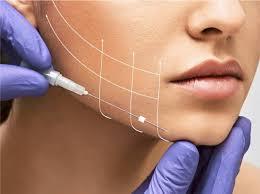
A thread lift is a minimally invasive cosmetic procedure designed to provide temporary lifting and support to selected areas of the face. It involves placing dissolvable medical threads beneath the skin to reposition certain tissues and create a firmer appearance. Some thread materials may also stimulate collagen production as they gradually dissolve.
People considering a Thread lift in Dubai often want to improve early signs of sagging without undergoing a surgical facelift. However, the treatment is not suitable for every facial concern, and results depend on skin quality, facial anatomy, the type of threads used, and the individual's expectations.
Understanding which areas can be treated helps patients discuss appropriate options with a qualified medical professional.
Which Facial Areas Can Benefit From a Thread Lift?
1. Cheeks and Midface
The cheeks can lose volume and firmness as natural ageing progresses. This may contribute to a flatter midface appearance or mild descent of the surrounding tissues.
A thread lift may provide subtle support to the cheek area in suitable patients. The goal is to create a modest lifting effect rather than restore significant lost volume. Patients with pronounced volume loss may require a different approach, as threads do not replace the volume that has disappeared.
2. Jawline and Lower Face
The jawline is another area commonly considered for thread lift treatment. Mild skin laxity around the lower face can make the jawline appear less defined, particularly with age.
Strategically placed threads may help support selected tissues and improve the appearance of early sagging. However, a thread lift cannot remove excess fat or loose skin in the same way as surgery. A professional assessment is important to determine whether the concern is related to skin laxity, fat distribution, or changes in facial structure.
3. Jowls
Jowls develop when tissues around the lower cheeks begin to descend and soften the natural jawline. They are a frequent concern among people seeking non-surgical facial rejuvenation.
In selected cases, a thread lift may offer modest improvement in the appearance of early jowling. More advanced sagging may not respond well to this procedure. Patients should understand that the results are temporary and generally less dramatic than those achieved with a surgical facelift.
4. Eyebrow and Outer Eye Area
Some thread lift techniques can be used to create a subtle lift around the eyebrows, particularly the outer brow. This may help improve the appearance of a mildly lowered brow and create a more open-looking eye area.
The suitability of this treatment depends on brow position, skin condition, and individual anatomy. It is not a replacement for surgery when there is substantial brow descent or excess upper-eyelid skin. Careful assessment is essential because the eye area contains delicate structures.
5. Neck and Under-Chin Area
Certain thread lift techniques may be considered for mild laxity around the upper neck or beneath the chin. Patients sometimes explore this option when they notice reduced definition between the chin and neck.
However, threads are not designed to eliminate substantial fat deposits or significant excess skin. A thread lift may have limited benefits when the main concern is a double chin caused by fat rather than tissue laxity. The appropriate treatment depends on the underlying cause and the patient's overall anatomy.
6. Nasolabial Folds
Nasolabial folds are the lines extending from the sides of the nose toward the corners of the mouth. Their appearance may become more noticeable because of changes in cheek support, facial volume, and skin elasticity.
A thread lift may sometimes improve the surrounding tissue support, but it does not directly erase deep folds. Treatment planning should consider the entire midface rather than focusing only on the visible line. In some cases, alternative approaches may be more appropriate.
Which Facial Concerns May Not Respond Well to a Thread Lift?
Although thread lifts can address selected areas, they have limitations. Deep wrinkles, significant skin excess, pronounced jowls, substantial volume loss, and advanced facial sagging may require other treatments.
Threads also do not produce the same results as a surgical facelift. A qualified practitioner should explain the expected degree of improvement, the temporary nature of the results, and any alternative options before treatment.
What Factors Determine Which Areas Can Be Treated?
Several factors influence whether a thread lift is suitable:
-
Skin elasticity: Skin with better elasticity may respond more favourably to lifting.
-
Degree of sagging: Mild laxity is generally more suitable than substantial tissue descent.
-
Facial anatomy: Bone structure, fat distribution, and tissue thickness affect treatment planning.
-
Medical history: Certain health conditions, medications, and previous cosmetic procedures may affect suitability.
-
Treatment expectations: Patients should understand that improvements are usually subtle and temporary.
The number and placement of threads should be determined by a qualified practitioner following an individual assessment, rather than by a standard treatment plan for everyone.
What to Expect During Recovery
After a thread lift, patients may experience swelling, bruising, tenderness, tightness, or temporary irregularities in the skin. These effects generally improve over time, although recovery varies between individuals.
Following aftercare instructions is important. Patients may be advised to avoid strenuous exercise, excessive facial pressure, and certain facial treatments for a specified period.
Potential complications include infection, thread visibility or extrusion, dimpling, asymmetry, and persistent discomfort. Severe or worsening pain, spreading redness, fever, or other concerning symptoms should be assessed promptly by a medical professional.
Thread Lift Treatment at Tajmeels Clinic in Dubai
At tajmeels clinic dubai, patients considering a thread lift can discuss their facial concerns, desired improvements, and treatment expectations during a consultation. An individualised assessment can help determine whether the cheeks, jawline, jowls, brow area, or another suitable region may benefit from treatment.
The consultation should also cover medical history, potential risks, expected recovery, and alternative procedures where appropriate. Choosing treatment based on facial anatomy and realistic outcomes helps patients make informed decisions about non-surgical facial rejuvenation.
Conclusion
A thread lift may be suitable for selected facial areas, including the cheeks, jawline, jowls, outer brow, and certain regions of the neck. It can provide modest, temporary lifting for appropriately selected patients, but it cannot replace surgery or correct every concern related to ageing.
The best starting point is a professional consultation that evaluates the cause of facial sagging and explains which treatment options are likely to meet individual goals.
More Information
Tajmeels Clinic Dubai
WhatsApp: +971 56 203 8751
Phone: tel:+971 43739000
Social Media:
- Managerial Effectiveness!
- Future and Predictions
- Motivatinal / Inspiring
- Fitness and Wellness
- Medical & Health
- Manufacturing
- Education
- Real-Estate
- Food Industry
- Hospitality
- Online Games
- Sports
- Home Services
- Civil Engineering
- Safety and Protection
- Software Products & Services
- Fashion and Jewellery
- Artificial Intelligence
- Entrepreneurship
- Mentoring & Guidance
- Marketing
- Networking
- HR & Recruiting
- Literature
- Shopping
- Career Management & Advancement