

 SkillClick
Thermal Fiber Stripping Tool: How to Remove Tough Fiber Coatings Without Damage
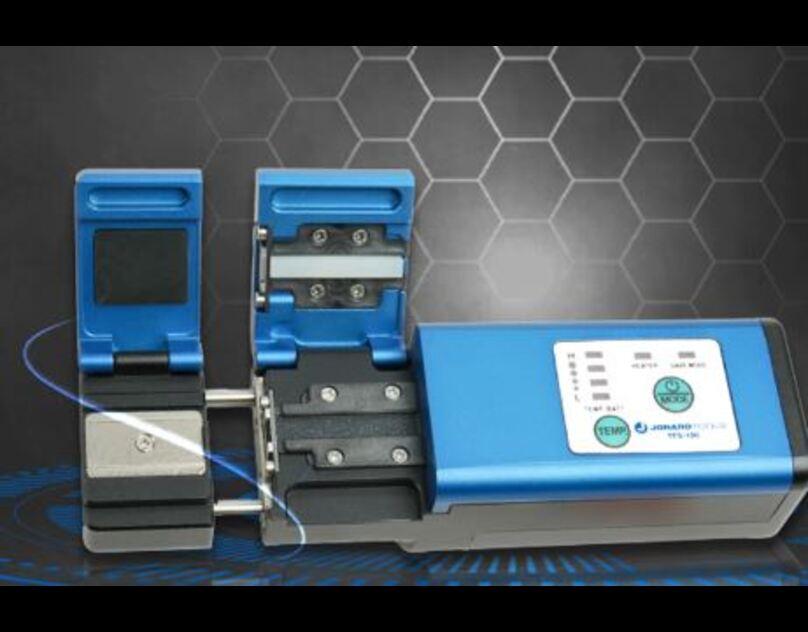
Fiber optic installation requires precision at every stage, from cable preparation to splicing and final testing. One challenge technicians often face is removing protective coatings that are difficult to strip using conventional tools. Hard coatings, baked-on materials, and delicate optical fibers can make this task more complicated than it appears.
A thermal fiber stripping tool offers a practical solution by using controlled heat and mechanical stripping to remove certain fiber coatings. It helps technicians prepare optical fibers for splicing and other specialized applications while maintaining better control over the stripping process.
For fiber optic installers, telecom technicians, and professionals working with advanced optical systems, understanding when and how to use a thermal stripper can improve preparation quality and reduce unnecessary fiber damage.
What Is a Thermal Fiber Stripping Tool?
A thermal fiber stripping tool is a specialized device that uses heat to soften compatible protective coatings before removing them from an optical fiber. Unlike conventional mechanical strippers, which rely primarily on blades and pulling force, thermal strippers combine controlled heating with a stripping mechanism.
This approach is especially useful when working with certain difficult or baked-on coatings that are challenging to remove mechanically.
Optical fibers have a glass core and cladding surrounded by protective coating layers. These coatings help protect the fiber during handling and installation. However, the required coating must be removed before specific procedures, such as fusion splicing, can be completed.
A suitable fiber thermal stripper helps remove compatible coatings while reducing the mechanical stress that can occur during stripping. The correct tool, temperature, and stripping time depend on the fiber type and coating material.
Why Do Technicians Need a Thermal Stripper?
Conventional fiber strippers work well for many standard applications, but some fiber preparation jobs require a different approach. Difficult coatings may resist normal stripping methods, leaving technicians with inconsistent results or increasing the risk of fiber damage.
Here are some reasons a thermal stripper can be useful.
1. Removing difficult coatings: Controlled heat helps soften certain coatings that are difficult to remove with conventional tools.
2. Improving stripping consistency: Appropriate temperature and timing settings help technicians achieve more repeatable results across compatible fibers.
3. Reducing excessive pulling force: Softening the coating can make removal easier and reduce the need for aggressive mechanical force.
4. Supporting specialized fiber preparation: Some advanced optical fiber applications require precise coating removal before splicing or other processing.
5. Handling different fiber specifications: Certain adjustable thermal strippers accommodate a wider range of fiber and coating dimensions than fixed blade models.
The important point is that thermal stripping is not necessary for every fiber installation. It is most useful when the fiber construction or coating material makes it an appropriate choice.
Thermal Stripper vs. Mechanical Fiber Stripper
Both tools help remove protective coatings, but they serve somewhat different needs.
A mechanical fiber stripper uses precision blades to remove the intended coating. It is a common choice for standard fiber preparation because it is straightforward to operate and suitable for many routine applications.
A thermal stripper uses controlled heat alongside mechanical stripping. It can be more suitable for compatible coatings that are difficult to remove using a conventional tool.
Consider the following differences:
-
Mechanical stripping: Suitable for many standard fiber coating removal tasks and routine field preparation.
-
Thermal stripping: Useful for certain difficult or baked-on coatings that require heat assisted removal.
-
Temperature control: Thermal models may offer adjustable temperature and heating time to accommodate different coating requirements.
-
Application requirements: The correct choice depends on coating material, fiber dimensions, preparation procedures, and the manufacturer's recommendations.
Neither tool is automatically better for every job. Selecting the right option depends on the fiber being prepared and the quality requirements of the application.
Types of Thermal Fiber Strippers
Thermal strippers are available in different designs to accommodate different fiber preparation needs.
1. Adjustable Blade Thermal Strippers
An adjustable blade thermal stripper allows technicians to work with a broader range of compatible fiber sizes and coatings.
For example, the Jonard Tools TSAB-40 features adjustable temperature and heating time settings. According to the manufacturer's specifications, it supports optical fibers with cladding diameters from 30 µm to 1,000 µm and buffer diameters up to 1,200 µm.
This flexibility makes it worth considering for specialized applications where technicians handle different fiber specifications.
2. Fixed Blade Thermal Strippers
A fixed-blade thermal stripper is designed for a more specific range of fiber dimensions.
The Jonard Tools TSFB-125 is designed for optical fibers with a 125 µm cladding diameter and compatible buffer diameters from 250 µm to 900 µm. It also features adjustable heating settings.
This type of thermal stripper can be a suitable choice when the fiber dimensions used in a workshop or production environment are consistent.
3. Handheld Thermal Strippers
Portable thermal strippers are useful when technicians need to prepare fiber outside a traditional workbench setup.
The Jonard Tools TFS-100 is a handheld thermal stripper designed for simplex and ribbon fiber cables, including ribbon configurations containing two to twelve strands. Its battery powered design makes it useful for compatible fiber preparation tasks in field and production environments.
Before selecting a handheld model, confirm that it supports the fiber type and coating diameter used in your application.
How to Use a Thermal Fiber Stripping Tool Correctly
Proper operation is essential for obtaining consistent results. Follow the tool manufacturer's instructions and the fiber manufacturer's preparation requirements.
Step 1: Identify the Fiber and Coating
Check the fiber specifications before beginning. Determine the coating material, diameter, and required stripping length.
Not every coating responds to heat in the same way, so verify that thermal stripping is appropriate for the material.
Step 2: Select the Correct Tool
Choose an adjustable, fixed blade, or handheld model according to the fiber dimensions and working conditions.
Confirm that the tool and any required holder or clamp are compatible with the fiber being prepared.
Step 3: Set the Temperature and Heating Time
For adjustable models, use the recommended settings for the specific coating and fiber. Avoid assuming that a higher temperature or longer heating period will produce better results.
Excessive heat may damage the coating, affect the fiber, or create an unsuitable stripping result.
Step 4: Position the Fiber Carefully
Place the fiber in the correct holder or stripping mechanism. Ensure that it is properly aligned and supported according to the manufacturer's instructions.
Correct positioning helps maintain control during the stripping process.
Step 5: Remove the Coating
Allow the tool to complete the specified heating cycle and perform the stripping operation as directed. Avoid applying unnecessary force or bending the exposed fiber.
If the coating does not remove cleanly, stop and review the settings, tool compatibility, and procedure.
Step 6: Inspect the Prepared Fiber
Inspect the stripped section for residue or visible damage. Clean the fiber using an approved method and prepare it for the next step, such as cleaving or fusion splicing.
Always follow appropriate laser safety procedures and take care when handling exposed glass fibers.
Common Thermal Stripping Mistakes to Avoid
Even a high-quality tool cannot compensate for an incorrect setup. Keep these points in mind:
-
Using the wrong temperature: Incorrect heat settings can affect stripping quality or damage the fiber.
-
Ignoring coating compatibility: Confirm that the tool supports the specific coating material.
-
Poor fiber alignment: Improper positioning can lead to uneven stripping.
-
Applying excessive force: Let the tool perform as intended rather than pulling aggressively.
-
Neglecting tool maintenance: Clean the stripping area and follow the manufacturer's maintenance recommendations.
-
Skipping inspection: Check the stripped fiber before continuing with splicing or termination.
Developing a consistent preparation process helps technicians avoid unnecessary rework and maintain reliable results.
How to Choose the Right Thermal Stripper
Before purchasing a thermal fiber stripping tool, consider the types of fiber you work with most often.
Check the supported cladding and coating diameters, adjustable temperature range, heating-time controls, and blade design. If your work involves several fiber specifications, an adjustable model may offer greater flexibility. For a consistent fiber type, a fixed blade model may be sufficient.
Portability is another consideration. A handheld model may suit field technicians, while a benchtop tool can be appropriate for workshop or production environments.
Also check whether compatible fiber holders, platforms, or clamps are required, as some accessories may be sold separately.
Jonard Tools offers thermal stripping options for different fiber preparation requirements. Explore the available models and accessories on the Jonard Tools Thermal Strippers page.
Conclusion
Removing difficult fiber coatings requires the right combination of equipment, technique, and attention to detail. A thermal fiber stripping tool can help technicians handle compatible coatings that are challenging to remove using conventional mechanical methods.
By selecting the correct stripper, following the recommended heating settings, and inspecting the prepared fiber, technicians can improve consistency and reduce avoidable preparation problems.
Whether you need a flexible adjustable blade unit, a fixed blade model, or a portable solution, choose equipment that matches your fiber specifications and application requirements.
Explore Jonard Tools Thermal fiber stripping tool to find a suitable solution for your fiber optic preparation work.
- Managerial Effectiveness!
- Future and Predictions
- Motivatinal / Inspiring
- Fitness and Wellness
- Medical & Health
- Manufacturing
- Education
- Real-Estate
- Food Industry
- Hospitality
- Online Games
- Sports
- Home Services
- Civil Engineering
- Safety and Protection
- Software Products & Services
- Fashion and Jewellery
- Artificial Intelligence
- Entrepreneurship
- Mentoring & Guidance
- Marketing
- Networking
- HR & Recruiting
- Literature
- Shopping
- Career Management & Advancement