

 SkillClick
Graffiti and Paint Removal in Fort Worth Fast, Safe Cleanup
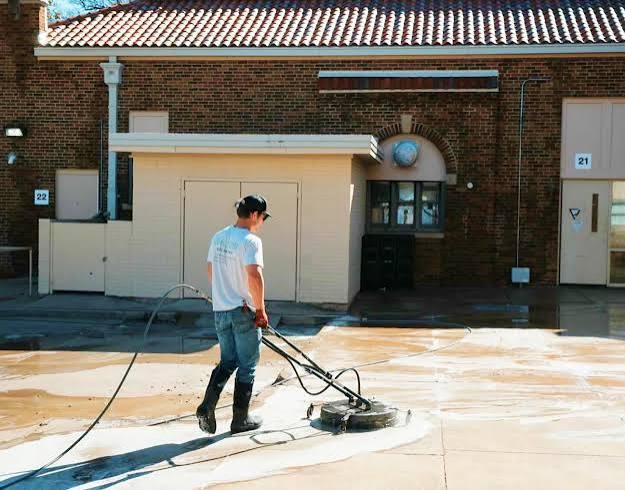
Unwanted graffiti and paint marks can affect the appearance of homes, storefronts, public-facing walls, fences, and other exterior structures. Even a small mark can stand out against an otherwise clean surface. For business owners and property managers, visible graffiti may also create an impression of poor maintenance, particularly when it remains untreated for an extended period.
Prompt graffiti and paint removal in Fort Worth can help limit the time a property remains visibly marked. However, successful removal depends on several factors, including the type of paint, the surface underneath, and how long the marking has been present. A treatment that works well on concrete may damage a painted wall or alter the appearance of brick.
The goal is to remove as much unwanted material as practical while preserving the original surface. That often requires identifying the affected material before choosing a cleaning solution or equipment. Rushing directly to high-pressure washing may cause additional damage or spread pigment into surrounding areas.
Understanding Different Types of Graffiti and Paint
Graffiti can include spray paint, marker ink, brush-applied paint, stickers, and other markings. Each material behaves differently when exposed to cleaning agents and water. Some paints form a durable coating, while certain inks can penetrate porous surfaces and leave discoloration even after the visible mark has been reduced.
The age of the graffiti also matters. Fresh markings may be easier to remove before the paint fully cures or settles into the surface. Older markings may require more than one treatment, particularly on textured masonry or concrete. Previous cleaning attempts can complicate the process if they have spread pigment or damaged the surface.
When arranging graffiti and paint removal in Fort Worth, property owners should identify the material affected and provide any information they have about the marking. Brick, concrete, metal, wood, and painted siding each have different limitations. Knowing whether the surface has a protective coating can also help determine which treatments are appropriate.
Choosing the Right Removal Method
There is no universal technique for removing every type of graffiti. Depending on the surface and marking, removal may involve a compatible solvent, a specialized cleaning product, controlled pressure washing, gentle agitation, or a combination of methods. The treatment should be selected according to the manufacturer's recommendations and the condition of the material.
Concrete and some masonry surfaces can tolerate controlled pressure washing, but excessive pressure may roughen the surface or damage mortar joints. Painted walls present a different challenge because the cleaning process may remove the unwanted graffiti along with the original finish. In such cases, repainting a small section may sometimes be more practical than attempting complete removal.
Metal surfaces may have protective coatings that react poorly to certain chemicals. Wood can absorb paint and cleaning products into its grain, making complete removal difficult. Testing a small, inconspicuous area is therefore a sensible step before treating the entire affected surface.
A careful approach to graffiti and paint removal in Fort Worth begins with assessment rather than guesswork. The chosen method should balance the desired result with the risk of damaging the underlying material.
Preparing the Area Before Treatment
Preparation helps protect nearby property and makes removal easier to manage. Loose dirt should be cleared away where appropriate, and surrounding surfaces should be assessed for paint transfer or overspray. Windows, signs, landscaping, vehicles, and other vulnerable objects may need protection from water or cleaning products.
The work area should also be managed to keep people away from chemicals, equipment, and wet surfaces. This is particularly important around commercial entrances, sidewalks, and other locations with regular pedestrian traffic. If a wall faces a busy public area, scheduling the work during a quieter period may reduce disruption.
Drainage requires attention as well. Paint particles, solvents, and contaminated rinse water should not be allowed to enter storm drains or nearby soil without considering applicable requirements. The appropriate containment and disposal procedures depend on the materials being removed and local regulations.
For property owners planning graffiti and paint removal in Fort Worth, discussing these details with the cleaning provider before work begins helps establish a responsible process. A little preparation can prevent surrounding areas from becoming contaminated during treatment.
What to Expect From Stubborn Stains
Complete removal is not always possible, particularly when paint has penetrated a porous surface. Concrete and brick contain small openings that can hold pigments even after the top layer of paint has been removed. Textured masonry may also have recessed areas that are difficult to reach without using a more aggressive method.
Repeated cleaning is not automatically the best solution. Each treatment can affect the surface, and excessive pressure or incompatible chemicals may cause permanent discoloration. In some situations, a specialized coating or repainting may produce a more consistent appearance than continued removal attempts.
Property owners should discuss realistic expectations before the work begins. Ask whether the treatment is expected to remove the marking completely, reduce its visibility, or prepare the surface for repainting. The answer may depend on a small test area and an assessment of the paint involved.
Professional graffiti and paint removal in Fort Worth may be particularly useful for larger walls, textured masonry, or sites where the surface must remain in good condition. A provider familiar with these challenges can help compare removal methods and explain their limitations.
Preventing Repeat Problems and Maintaining the Surface
Once graffiti has been removed, property owners can consider steps that make future incidents easier to address. Improved lighting may help increase visibility around vulnerable walls, while routine inspections can identify new markings before they remain for long periods. Commercial properties may also benefit from keeping exterior walls clean and repairing damaged finishes promptly.
Protective coatings can sometimes make future graffiti easier to remove, but they are not suitable for every material. Some coatings alter the appearance or breathability of masonry, while others require specific preparation and reapplication. Property owners should check compatibility with the surface and consider the long-term maintenance requirements before using them.
Landscaping and site layout may also influence how easily a wall can be accessed. Clear sightlines, well-maintained entrances, and appropriate lighting can support general property upkeep. These measures cannot prevent every incident, but they may help owners monitor exterior areas more effectively.
When graffiti appears repeatedly, keep a record of the affected locations and the methods used to clean them. This can help determine whether a protective treatment or a change in maintenance practices would be useful.
Deciding When to Seek Professional Help
Small marks on a durable, compatible surface may sometimes be manageable with a suitable commercial cleaning product and careful instructions. Larger areas, unknown paint types, historic masonry, and delicate finishes present greater risks. In these situations, professional assessment can help prevent the damage that may result from experimenting with harsh chemicals or high pressure.
Before selecting a provider, ask about experience with the specific surface, proposed removal method, and protection of surrounding materials. Confirm how wastewater and removed paint will be handled, and request an explanation of any limitations that may affect the final appearance.
Property owners may consider local services such as O.N. Point Pressure Washing when evaluating exterior cleaning options. The most suitable choice is one that prioritizes surface preservation, safe work practices, and realistic expectations rather than promising that every marking can be removed without a trace.
Conclusion
Graffiti and unwanted paint can affect the appearance of residential and commercial properties, but removal requires care. Identifying the paint type, assessing the underlying material, and selecting a compatible treatment can help reduce visible marks while limiting damage. With prompt attention, sensible preventive measures, and realistic expectations, property owners can maintain cleaner exterior surfaces and manage future incidents more effectively.
- Managerial Effectiveness!
- Future and Predictions
- Motivatinal / Inspiring
- Fitness and Wellness
- Medical & Health
- Manufacturing
- Education
- Real-Estate
- Food Industry
- Hospitality
- Online Games
- Sports
- Home Services
- Civil Engineering
- Safety and Protection
- Software Products & Services
- Fashion and Jewellery
- Artificial Intelligence
- Entrepreneurship
- Mentoring & Guidance
- Marketing
- Networking
- HR & Recruiting
- Literature
- Shopping
- Career Management & Advancement