

 SkillClick
Home Construction for Comfortable Modern Living
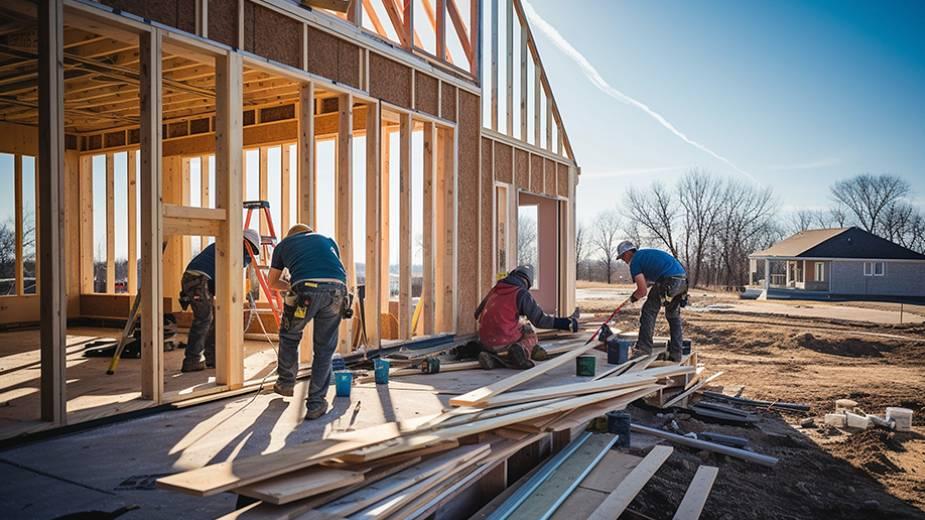
Building a home is an opportunity to create a living space that reflects your family's needs, daily habits, and future plans. From selecting the layout to choosing materials and finishes, every decision contributes to the final result. Home Construction begins with understanding how the property should function and what features matter most to the people who will live there. Before work starts, establish a realistic budget, define the main requirements, and prepare a suitable timeline. Clear planning gives the project direction and makes it easier to coordinate important decisions throughout the building process.
Choose a Design That Fits Your Lifestyle
A home design should balance appearance, comfort, and practical use. The number of bedrooms, kitchen arrangement, bathroom locations, storage areas, and shared living spaces all influence everyday convenience. Home Construction planning should also account for natural light, ventilation, privacy, and the movement between rooms. Families who expect their needs to change over time may benefit from flexible spaces that can serve different purposes later. Working with qualified design professionals can help turn initial ideas into plans that suit the available land, intended budget, and applicable building requirements.
Prepare the Land Before Building
The condition of the site can influence construction methods, costs, and the overall schedule. Before excavation begins, consider land boundaries, soil conditions, drainage, access for equipment, and the location of available utilities. Successful Home Construction in lake Charles depends on understanding these factors before the foundation is installed. A land survey or soil assessment may be necessary, depending on the property and project requirements. Local planning rules, permits, and building regulations should also be reviewed in advance. Proper site preparation reduces avoidable complications and creates a more suitable starting point for the structure.
Build a Strong Foundation and Frame
The foundation supports the home and transfers its loads to the ground, making its design and installation especially important. Depending on the site and building plans, work may involve excavation, footings, reinforced concrete, structural walls, columns, beams, and floor systems. During Home Construction, these elements should follow approved engineering plans and relevant building standards. The foundation system must suit the ground conditions and the intended structure rather than relying on a one-size-fits-all approach. Required inspections should take place at the appropriate stages before important components are covered by later work.
Select Materials for Comfort and Durability
Material choices affect the home's appearance, energy use, maintenance needs, and ability to withstand local weather conditions. Bricks, concrete, timber, insulation, roofing materials, windows, doors, and interior finishes should all be selected according to their intended purpose. Home Construction projects benefit from comparing material specifications, expected lifespan, installation requirements, and ongoing care before purchases are finalized. It is also useful to confirm product availability so deliveries match the construction schedule. Choosing suitable materials at the planning stage can reduce unnecessary substitutions and help create a home that remains practical for years.
Plan Plumbing and Electrical Installations
Plumbing and electrical systems need to be coordinated with the home's layout before walls and ceilings are finished. Water supply lines, drainage, outlets, lighting, switches, and appliance connections should be positioned according to the approved design and everyday household needs. Home Construction requires careful coordination between different trades to avoid conflicts between pipes, wiring, structural components, and other installations. Heating, cooling, and ventilation may also need to be considered where applicable. Planning these systems early makes installation more organized and helps preserve access to components that may require future inspection or servicing.
Create Comfortable Interior Spaces
Interior planning determines how welcoming and convenient a home feels once construction is complete. Flooring, wall finishes, cabinetry, lighting, doors, storage, and fixtures should work together while meeting the practical needs of each room. During Home Construction, kitchens should provide useful preparation areas, bathrooms should accommodate their fixtures comfortably, and bedrooms should offer suitable privacy and storage. Hallways and entrances also need enough space for convenient movement. Choosing finishes that suit the household's routines can create a balanced interior without spending money on features that offer little everyday value.
Keep the Schedule and Budget Under Control
A residential building project includes several stages, from excavation and structural work to roofing, utility installation, and final finishing. Delays in one stage can affect the work scheduled afterward. Home Construction is easier to manage when costs, material deliveries, labor, inspections, and deadlines are reviewed throughout the project. Homeowners should understand what the original estimate includes and how additional work will be approved and priced. Keeping written records of selections, payments, and changes can reduce misunderstandings. A reasonable contingency budget can also provide room for unexpected expenses or necessary adjustments.
Inspect the Home Before Moving In
Before occupying a newly built property, review the completed work and confirm that outstanding issues have been addressed. Doors, windows, flooring, roofing, plumbing fixtures, electrical fittings, drainage, and other installed features should be checked against the agreed plans and applicable requirements. Construction in Lake Charles should conclude with the necessary inspections and approvals for the property. Ask for relevant warranties, equipment manuals, product information, and care instructions. Any incomplete work or visible defects should be recorded and discussed with the responsible parties before final handover. This review gives homeowners a clearer understanding of the property's condition.
Maintain Your New Home for the Years Ahead
A newly built home still needs regular care to preserve its condition and comfort. Check the roof and drainage, monitor plumbing for leaks, maintain ventilation equipment, and inspect exterior surfaces for signs of wear. Home Construction establishes the structure and installed systems, while consistent upkeep helps protect them over time. Keep important building documents and warranty information in an accessible place, and arrange qualified assistance when repairs involve structural, electrical, or other specialized work. With careful planning, suitable materials, coordinated construction, and ongoing maintenance, a new home can provide a comfortable setting for everyday life.
- Managerial Effectiveness!
- Future and Predictions
- Motivatinal / Inspiring
- Fitness and Wellness
- Medical & Health
- Manufacturing
- Education
- Real-Estate
- Food Industry
- Hospitality
- Online Games
- Sports
- Home Services
- Civil Engineering
- Safety and Protection
- Software Products & Services
- Fashion and Jewellery
- Artificial Intelligence
- Entrepreneurship
- Mentoring & Guidance
- Marketing
- Networking
- HR & Recruiting
- Literature
- Shopping
- Career Management & Advancement