

 SkillClick
Why a Clean Workplace Matters for Employees and Customers
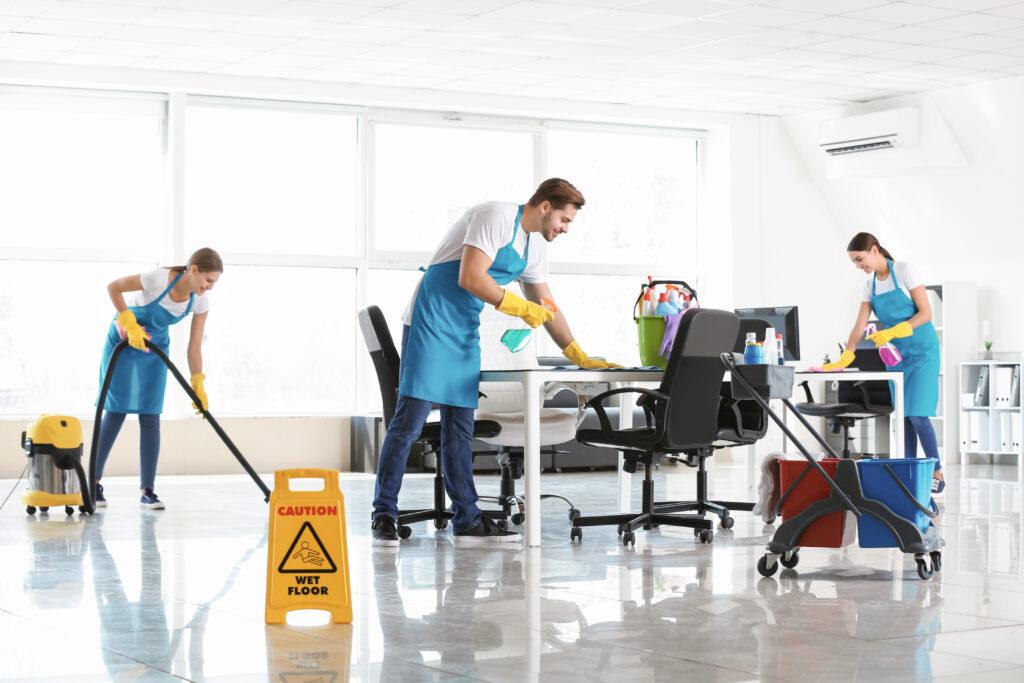
A clean workplace does more than create a good first impression. It also helps employees stay comfortable, allows customers to feel welcome, and supports a more organized daily routine. From small offices to large commercial buildings, regular cleaning plays a major role in maintaining a professional environment. Dusty desks, dirty floors, overflowing bins, and neglected shared spaces can affect how people feel about a business before they even speak to a member of the team.
Workplace hygiene also contributes to employee productivity and general well-being. When office sanitation is handled consistently, employees can focus on their responsibilities instead of dealing with avoidable mess or clutter. A well-maintained building sends a clear message that the business takes its people, visitors, and working environment seriously.
First Impressions Begin at the Entrance
The entrance is often the first part of a business that customers, clients, and visitors notice. Dirty glass doors, dusty reception counters, and marked floors can make a space appear neglected. Even if a company provides excellent products or services, an untidy entrance may affect the impression visitors form.
Regular attention to reception areas can make a noticeable difference. Glass surfaces should be cleaned to remove fingerprints, floors should be maintained according to their material, and waiting areas should remain free from unnecessary clutter. Door handles and other frequently touched surfaces also deserve routine attention.
Businesses that welcome customers throughout the day may need more frequent cleaning than workplaces with limited visitor traffic. Setting a clear schedule helps staff maintain the entrance without interrupting normal operations.
A Cleaner Environment Supports Employee Comfort
Employees spend many hours in their workplace, so the condition of the surrounding environment can influence their daily experience. Dust on desks, crumbs in shared areas, and unpleasant odors can make an office less comfortable. A regular cleaning routine helps keep these issues under control.
Workstations need particular attention because they often collect dust, paper scraps, and food residue. Employees can help by keeping personal items organized and removing rubbish from their desks. Cleaning staff can then focus on the surfaces and areas that require proper maintenance.
Shared spaces also need consistent care. Meeting rooms, break rooms, and collaborative work areas may become messy quickly when several people use them throughout the day. Clear expectations about cleaning and tidiness can help prevent small problems from becoming regular complaints.
Shared Facilities Require a Reliable Routine
Bathrooms, kitchens, and break rooms are among the busiest areas in many commercial buildings. Because different people use these spaces throughout the day, they require a structured cleaning schedule rather than occasional attention.
Restrooms should be checked regularly for cleanliness, supplies, unpleasant odors, and visible mess. Floors, sinks, mirrors, and other commonly used surfaces need suitable cleaning methods. Businesses should also make sure that soap, paper products, and other essential supplies are replenished when needed.
Kitchen and break areas require a different approach. Food spills should be addressed promptly, bins should be emptied as needed, and shared counters should remain clean. Refrigerators and storage areas may also benefit from periodic checks to remove expired food and prevent lingering odors.
A written checklist can help teams track completed tasks and identify areas that need additional attention. This simple step can make cleaning more consistent, particularly in buildings with several departments or multiple shifts.
Protect Equipment and Maintain Work Areas
Office equipment represents a significant investment for many businesses. Computers, printers, conference room screens, and other devices can collect dust during normal use. However, cleaning these items requires care because unsuitable products or excessive moisture may damage sensitive components.
Employees should follow manufacturer recommendations when cleaning their own equipment. Professional cleaning teams should also know which products and methods are appropriate for different surfaces. Electronic equipment should never be sprayed directly with cleaning liquids.
Floors, walls, furniture, and storage areas need attention as well. Dirt brought inside on shoes can spread across the building, while neglected corners may accumulate dust and debris. Regular maintenance helps keep these surfaces in better condition and may reduce the need for more intensive corrective work later.
Businesses can also protect their facilities by placing suitable mats near entrances and providing convenient waste bins. These small measures help control dirt before it spreads throughout the building.
Match Cleaning Frequency to Business Needs
Not every workplace requires the same cleaning schedule. A small office with a few employees may need a different routine from a busy medical administration building, retail store, or large corporate facility.
The right schedule depends on several factors:
-
Daily foot traffic: Busy entrances and corridors usually need more frequent attention.
-
Number of employees: Larger teams often create more waste and place greater demands on shared facilities.
-
Type of business: Some workplaces have specific hygiene requirements based on their activities.
-
Operating hours: Buildings that remain open for extended periods may need cleaning in stages.
-
Surface materials: Carpets, hard floors, glass, and upholstery each require suitable care.
Managers should review their cleaning arrangements whenever the workplace changes. Hiring additional employees, expanding into a new area, or changing business hours can affect how often different spaces need attention.
A flexible plan is usually more practical than following the same schedule regardless of actual conditions. It allows businesses to focus resources on areas that need them most.
Choose Suitable Products and Cleaning Methods
Using the correct cleaning products helps protect workplace surfaces and supports consistent results. A product suitable for ceramic flooring may not be appropriate for natural stone, delicate furniture, or electronic equipment. Before applying any solution, staff should check the manufacturer's directions and follow the required safety precautions.
Cleaning chemicals should be stored securely and kept away from food and areas where unauthorized people might access them. Products should never be mixed unless their labels specifically confirm that doing so is safe. Staff should also use suitable protective equipment when required.
Businesses that prioritize environmentally considerate practices can review products with lower environmental impact, reduce unnecessary chemical use, and follow the recommended amounts on product labels. Effective cleaning depends on using the right method, not simply using more product.
Training is equally important. Employees and cleaning teams need clear instructions about handling supplies, maintaining equipment, and reporting maintenance concerns. Proper procedures help reduce mistakes and support a safer workplace.
Manage Cleaning Without Disrupting Operations
Cleaning should support business activities rather than interfere with them. In offices where employees handle calls, attend meetings, or work with customers, scheduling can make a major difference.
Some tasks can be completed before employees arrive or after the working day ends. Other duties, such as checking restrooms or removing rubbish, may need attention during business hours. Dividing the work into suitable time slots helps maintain cleanliness while limiting unnecessary interruptions.
Communication between management and cleaning staff is also useful. Employees should know how to report spills, overflowing bins, or other issues that need prompt attention. Cleaning teams should understand which rooms require restricted access and which areas have special requirements.
For larger workplaces, a task checklist can help managers confirm that essential duties are completed. Periodic reviews also provide an opportunity to adjust the schedule when certain areas repeatedly need extra care.
When Professional Support Becomes Practical
As a business grows, managing every cleaning task internally can become difficult. Employees may not have the time, equipment, or training required to maintain all areas consistently. Assigning cleaning responsibilities without a clear plan can also lead to missed tasks and uneven results.
This is where commercial cleaning services can help businesses maintain offices, retail spaces, shared facilities, and other work environments according to their specific needs. A suitable arrangement may include routine floor care, restroom maintenance, dust removal, waste management, and scheduled attention to less frequently cleaned areas.
Before choosing a provider, businesses should identify their main priorities. These may include cleaning frequency, the size of the property, access arrangements, required supplies, and any special surface-care needs. Clear expectations make it easier to evaluate service options and avoid confusion later.
It is also useful to discuss how concerns will be reported and resolved. A dependable cleaning arrangement should have a clear process for handling missed tasks, unexpected messes, and changes to the schedule. Regular communication helps keep the service aligned with the business's daily operations.
Build Better Habits Across the Workplace
Professional cleaning can maintain a workplace, but everyday habits also play an important part. Employees can help by clearing food from shared tables, placing rubbish in the correct bins, wiping up small spills when safe to do so, and keeping walkways free from personal belongings.
Management can support these habits by providing accessible waste bins, organized storage, and clear workplace guidelines. Expectations should be practical and communicated consistently rather than introduced only after a problem occurs.
A tidy environment is easier to maintain when everyone understands their role. Employees do not need to handle specialist cleaning tasks, but basic consideration for shared spaces can reduce the amount of daily mess and make routine maintenance more effective.
Conclusion
A clean workplace supports a professional image, improves everyday comfort, and helps businesses maintain their facilities. Regular attention to entrances, workstations, restrooms, shared kitchens, and floors can prevent minor issues from becoming ongoing problems.
The most effective approach combines a suitable cleaning schedule, appropriate products, clear responsibilities, and consistent communication. By matching cleaning arrangements to the needs of the building and the people who use it, businesses can create a more welcoming and organized environment for employees and visitors alike.
- Managerial Effectiveness!
- Future and Predictions
- Motivatinal / Inspiring
- Fitness and Wellness
- Medical & Health
- Manufacturing
- Formazione
- Real-Estate
- Food Industry
- Hospitality
- Online Games
- Sports
- Home Services
- Civil Engineering
- Safety and Protection
- Software Products & Services
- Fashion and Jewellery
- Artificial Intelligence
- Entrepreneurship
- Mentoring & Guidance
- Marketing
- Networking
- HR & Recruiting
- Literature
- Shopping
- Career Management & Advancement