

 SkillClick
Smart Thermostat Market Expansion, Adoption Trends and Global Growth Forecast 2026–2035
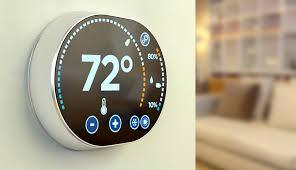
The global transition toward energy-efficient residential and commercial building management systems has elevated climate control technologies from basic convenience gadgets to critical components of modern energy infrastructure. Smart thermostats serve as central neural nodes within connected environments, enabling automated temperature regulation based on occupancy patterns, real-time weather analytics, and grid demand response signals. As utility companies and municipal regulatory bodies impose stricter energy conservation mandates, consumers and enterprise property managers are increasingly adopting connected thermal management platforms to curb peak load consumption and reduce carbon footprints. The continuous integration of artificial intelligence, machine learning algorithms, and internet-of-things sensors allows these devices to dynamically adjust indoor ambient settings without manual user intervention. Furthermore, the convergence of smart home ecosystems with cloud-based data hubs empowers users to monitor real-time energy usage through intuitive mobile applications, driving consistent demand across both mature and emerging municipal markets worldwide. Stakeholders seeking comprehensive quantitative data, competitive landscapes, and long-term industry projections can review detailed insights through the comprehensive Smart Thermostat Market Analysis report.
Alongside consumer-driven demand, key industry participants are actively expanding their technological capabilities through robust hardware upgrades and software-as-a-service business models. Modern smart thermostats are increasingly designed to interoperate with broader home ecosystems via open communication protocols like Matter and Zigbee, ensuring frictionless integration with smart lighting, security platforms, and voice-activated digital assistants. Original equipment manufacturers are also partnering directly with energy providers to offer grid-interactive demand management programs, where thermal settings are subtly adjusted during high-demand hours to prevent local power grid overloads. In exchange, property owners receive utility rebates, further accelerating product adoption across diverse demographic regions. However, market expansion faces occasional friction due to higher upfront installation costs and varying regional electrical wiring standards, particularly in older residential infrastructure. Despite these regional hurdles, ongoing innovations in self-learning thermal sensors, wireless protocol standardization, and subscription-based energy analytics tools ensure that connected thermal management solutions will remain a dominant pillar of modern sustainable building designs for years to come.
FAQs
How do smart thermostats help reduce overall residential energy consumption? Smart thermostats utilize algorithms, occupancy sensors, and schedule learning to automatically optimize heating and cooling output based on real-time presence and weather conditions, preventing energy waste when spaces are unoccupied.
Are smart thermostats compatible with older heating and cooling systems? Most modern smart thermostats are designed to work with common HVAC systems, though older or specialized setups may require a common wire adapter or professional installer to ensure proper electrical compatibility.
➤➤➤Explore MRFR’s Related Ongoing Coverage In Semiconductor Industry:
Non Volatile Dual In Line Memory Module Market
Nordic Building Automation And Control Market
Optical Time Domain Reflectometer Market
Paint Process Automation Market
Passive Electronic Components In The Oil Gas Market
- Managerial Effectiveness!
- Future and Predictions
- Motivatinal / Inspiring
- Fitness and Wellness
- Medical & Health
- Manufacturing
- Education
- Real-Estate
- Food Industry
- Hospitality
- Online Games
- Sports
- Home Services
- Civil Engineering
- Safety and Protection
- Software Products & Services
- Fashion and Jewellery
- Artificial Intelligence
- Entrepreneurship
- Mentoring & Guidance
- Marketing
- Networking
- HR & Recruiting
- Literature
- Shopping
- Career Management & Advancement