

 SkillClick
Manchester Formwork in Contemporary Construction
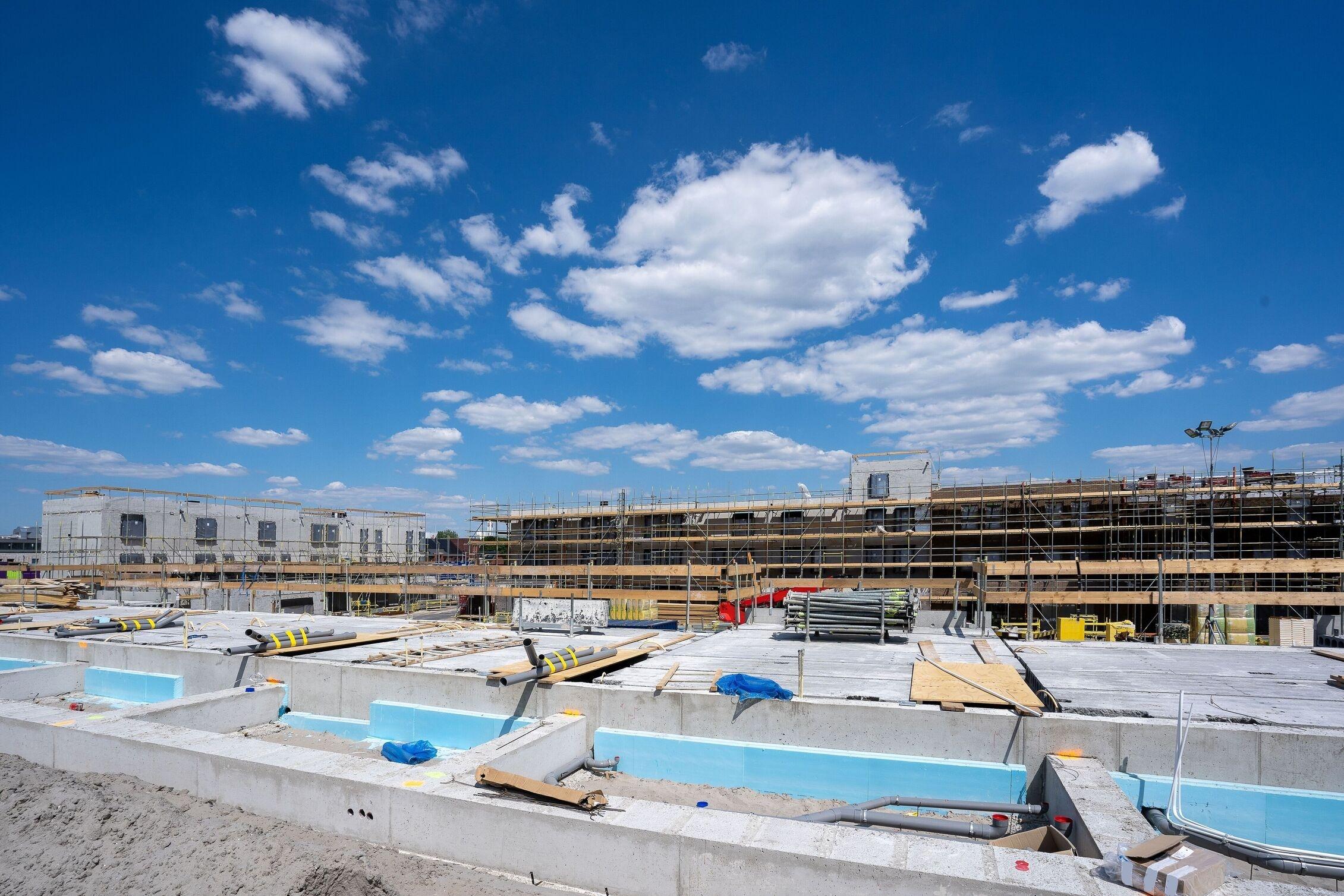
Let’s take a straightforward look at Manchester formwork—what it’s made from, how people use it, where it fits in, and why it matters for safe, efficient building.
Manchester is constantly under construction, with cranes peppering the skyline and new projects popping up everywhere. In all of this, formwork is a behind-the-scenes hero. It’s what holds concrete in place while it sets, helping builders get the shapes and designs they want, from high-rise apartments to renovated old mills. Good formwork keeps everything in line and makes sure the finished structures actually last.
At its core, formwork is basically a mold—temporary or sometimes permanent—where you pour wet concrete. Once the concrete hardens, you might strip the formwork away, or leave it as part of the final structure. Builders in Manchester need formwork that’s tough, flexible, and quick to set up, since they’re juggling everything from glassy skyscrapers to refurbishing heritage sites.
When it comes to type, there’s a range. Timber formwork is the classic choice—traditional, easy to customize, and great for one-off or intricate jobs. It’s easy to shape on location, so if a project has lots of fiddly details, timber fits the bill. The flip side is that timber wears out faster and isn’t great if you plan to reuse it again and again.
You see steel formwork on bigger Manchester sites. It’s strong, lasts ages, and can handle the heavy loads in large office blocks or bridges. Steel pays off in the long run, even if it costs more upfront, because you can keep using the same panels project after project.
Aluminium is another option, especially if you need something lightweight but still sturdy. Builders like it for quick-turnaround jobs, since you can assemble and take it apart faster. Less weight means less effort on-site, but you still get the strength you need for most tasks.
Lately, modular formwork is gaining ground. These are pre-made panels you snap together, saving time and making everything look consistent. They especially shine in housing developments, where you might be building row after row of pretty much the same thing.
There’s new tech in the mix too. Plastic and composite formwork are becoming more common. They hold up well against bad weather and damp conditions, plus you can reuse them, which fits in with sustainability goals. With construction getting greener—cutting waste, reusing more—it makes sense that Manchester is starting to use these materials more.
Of course, safety’s non-negotiable. If formwork fails, people can get hurt and projects can fall apart (sometimes literally). Workers need to set everything up right and check it regularly to make sure it’s all solid. Sticking to UK safety rules is just part of the job in Manchester.
Builders also care a lot about speed. With the city growing fast, deadlines matter—there’s no time for clunky, slow formwork that drags everything out. The best systems go up quickly, get the concrete set just right, and come down without a fuss. That helps work flow smoothly and keeps disruption in busy city areas to a minimum.
All of this only works if you’ve got skilled people. Formwork isn’t “plug and play.” You need folks who know how to build it, align it, and make sure it won’t budge under pressure. With construction ramping up in Manchester Formwork , experienced hands are more important than ever.
Environmental concerns keep shaping things, too. Builders want to use materials that last, get reused, and don’t clutter landfills once a project wraps up. Smart formwork design saves on concrete, which is good news for both budgets and the planet.
In the end, Manchester formwork is vital for the city’s growth and transformation. It lets builders create safe, strong, and striking buildings—quickly and responsibly. As the city keeps changing, formwork’s role in shaping its skyline isn’t going anywhere.
- Managerial Effectiveness!
- Future and Predictions
- Motivatinal / Inspiring
- Fitness and Wellness
- Medical & Health
- Manufacturing
- Education
- Real-Estate
- Food Industry
- Hospitality
- Online Games
- Sports
- Home Services
- Civil Engineering
- Safety and Protection
- Software Products & Services
- Fashion and Jewellery
- Artificial Intelligence
- Entrepreneurship
- Mentoring & Guidance
- Marketing
- Networking
- HR & Recruiting
- Literature
- Shopping
- Career Management & Advancement