

 SkillClick
How Age Affects Dental Implant Treatment and Success Rates
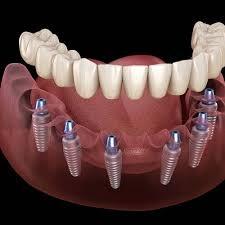
Dental implants have become a popular solution for replacing missing teeth because they offer stability, functionality, and a natural-looking appearance. However, one common question patients ask before treatment is whether age affects dental implant success.
The good news is that age alone does not determine whether someone is suitable for dental implants. Factors such as jawbone development, gum health, bone density, medical conditions, and oral hygiene habits are generally more important than the number of years a person has lived.
Whether someone is in their 30s, 50s, or 70s, dental implants may be an effective tooth replacement option if their oral and general health support the procedure.
If you are considering a Dental Implant in Islamabad, understanding how age influences treatment planning, healing, and long-term results can help you make an informed decision.
Does Age Affect Dental Implant Success Rates?
Age can influence certain aspects of dental implant treatment, but it is not necessarily a barrier to successful results.
Dental implants require sufficient jawbone support and healthy surrounding tissues. These conditions can vary significantly between individuals of the same age.
For example, a healthy 70-year-old with good bone density may be a better candidate than a younger adult with uncontrolled diabetes, active gum disease, or inadequate jawbone development.
Several factors influence dental implant success:
-
Jawbone density and volume.
-
Gum health and periodontal condition.
-
General medical health.
-
Smoking and tobacco use.
-
Oral hygiene practices.
-
Healing ability.
-
Implant placement and treatment planning.
Therefore, dentists evaluate each patient individually rather than relying on age alone.
Dental Implants for Young Adults: What Should You Know?
Young adults who have lost teeth due to accidents, injuries, or dental problems may consider implants as a permanent tooth replacement option.
However, there is one important consideration: jawbone growth must be complete before dental implant placement.
Why Is Jawbone Development Important?
Dental implants are fixed inside the jawbone. If an implant is placed before facial and jaw growth is complete, the surrounding natural teeth and jaw structures may continue developing while the implant remains stationary.
This can cause the implant-supported crown to appear lower or differently positioned compared with neighboring teeth.
For this reason, dentists generally avoid placing permanent dental implants in patients whose jaw growth is still ongoing.
Important Considerations for Young Patients
Before recommending treatment, a dentist may evaluate:
-
Whether jawbone development is complete.
-
The condition of surrounding teeth.
-
Gum health and bone structure.
-
The cause of tooth loss.
-
Long-term restorative requirements.
Younger patients may need temporary tooth replacement options until they become suitable candidates for implant placement.
Dental Implants for Middle-Aged Adults
Middle-aged adults are commonly considered for dental implant treatment because jaw development is generally complete, and many patients maintain good oral and general health.
However, this age group may also experience dental problems resulting from years of tooth decay, gum disease, previous dental treatments, or tooth loss.
Dental implants can help restore missing teeth while supporting normal chewing and smile aesthetics.
Benefits of Dental Implants for Middle-Aged Patients
-
Restore the appearance of missing teeth.
-
Improve chewing and biting function.
-
Provide a stable alternative to removable dentures.
-
Help prevent neighboring teeth from shifting into empty spaces.
-
Support confidence when speaking and smiling.
-
Help maintain function in the affected area.
Some patients may require additional treatment before implant placement, particularly if they have experienced bone loss or periodontal disease.
A detailed dental examination helps determine the most suitable approach.
Dental Implants for Seniors: Is There an Age Limit?
One of the most common misconceptions about dental implants is that older adults cannot receive them.
In reality, there is no universal upper age limit for dental implant treatment. Many seniors can benefit from implants if their medical condition, bone structure, and oral health allow safe treatment.
Older adults may experience tooth loss because of gum disease, long-term dental problems, or natural changes associated with aging.
Dental implants can provide a stable alternative to traditional removable dentures.
Benefits for Older Adults
-
Improved chewing ability.
-
Better stability compared with conventional removable dentures.
-
Improved speech comfort in suitable cases.
-
Restoration of missing teeth.
-
Support for fixed dental restorations.
-
Improved confidence and quality of life.
However, older patients may have additional medical considerations that require careful assessment before surgery.
What Should Seniors Consider Before Treatment?
A dentist may review:
-
Blood sugar levels and diabetes management.
-
Blood pressure and cardiovascular health.
-
Current medications.
-
Bone density and jawbone condition.
-
History of gum disease.
-
Ability to maintain daily oral hygiene.
Age-related changes do not automatically prevent treatment. The patient's overall health and ability to undergo the procedure are more important.
How Age Influences Dental Implant Healing
Healing is an important part of dental implant treatment. After implant placement, the surrounding jawbone gradually integrates with the implant through a process called osseointegration.
Age may influence healing because bone metabolism, tissue repair, and general health can change over time.
However, individual health conditions often have a greater impact than chronological age.
Factors That Can Affect Healing
1. Bone Density
Older adults may experience reduced bone density, which can affect implant stability. However, adequate bone support can still be present in many senior patients.
2. Medical Conditions
Conditions such as uncontrolled diabetes may interfere with normal healing and increase the risk of complications.
3. Smoking
Smoking can reduce blood supply to oral tissues and negatively affect healing and implant outcomes.
4. Oral Hygiene
Poor oral hygiene can increase the risk of infection and inflammation around dental implants.
5. Medication Use
Certain medications may affect bone metabolism, bleeding, or healing. Patients should disclose all prescribed and non-prescribed medications during consultation.
Does Age Increase the Risk of Dental Implant Failure?
Age alone does not automatically increase dental implant failure risk.
Implant complications can occur at any age, particularly when treatment planning, oral hygiene, or underlying health conditions are not properly managed.
Some potential complications include:
-
Infection around the implant.
-
Inadequate osseointegration.
-
Implant mobility or failure.
-
Peri-implantitis (inflammation around the implant).
-
Bone loss around the implant.
-
Damage to surrounding anatomical structures.
Older patients with uncontrolled medical conditions may require additional precautions, but healthy seniors can also achieve successful outcomes.
A proper clinical examination, appropriate implant selection, and consistent follow-up care are essential for reducing risks.
How Dentists Determine Whether a Patient Is Suitable for Dental Implants
Dental implant eligibility is determined through a combination of clinical examination, medical history, and diagnostic imaging.
A dentist may recommend the following assessments:
-
Oral examination: Evaluates teeth, gums, and surrounding tissues.
-
Dental X-rays: Help assess the condition of the jawbone.
-
CBCT scanning: Provides detailed three-dimensional information when required.
-
Medical history review: Identifies conditions that may influence treatment.
-
Bone assessment: Determines whether sufficient bone is available for implant placement.
Based on these findings, the dentist develops a personalized treatment plan.
Patients with insufficient bone may require bone grafting before implant placement. Those with active gum disease may need periodontal treatment first.
Tips to Improve Dental Implant Success at Any Age
Regardless of age, patients can support successful dental implant treatment by following appropriate oral healthcare practices.
Here are some important recommendations:
-
Choose a qualified dental professional with appropriate implant training.
-
Treat existing gum infections before surgery.
-
Maintain good oral hygiene throughout treatment.
-
Avoid smoking and tobacco products.
-
Follow postoperative instructions carefully.
-
Attend regular dental examinations.
-
Manage medical conditions with guidance from the relevant healthcare professional.
-
Avoid placing excessive pressure on the implant during healing.
These habits can help protect the surrounding tissues and support long-term implant health.
Dental Implant in Islamabad at SKN Cosmetics
Choosing an appropriate clinic is an important part of the dental implant journey. Patients exploring Dental Implant in Islamabad should look for professional assessment, appropriate diagnostic facilities, qualified dental practitioners, and personalized treatment planning.
SKN Cosmetics in Islamabad is an option for patients researching dental and aesthetic treatment services. Before beginning dental implant treatment, patients should arrange a consultation to discuss their age, oral health, bone condition, medical history, and treatment expectations.
The dental professional should explain the available implant options, potential risks, expected healing period, and overall treatment costs. Confirming the qualifications and implant experience of the treating dentist is also an important part of making an informed decision.
Conclusion
Age can influence certain aspects of dental implant treatment, but it is not the only factor that determines success. Young adults need complete jawbone development, middle-aged patients should address existing dental concerns, and seniors may require additional medical and bone assessments.
The most important factors are overall health, adequate bone support, healthy gums, proper treatment planning, and consistent aftercare.
If you are considering dental implants, do not assume that you are too young or too old for treatment. A professional dental evaluation can help determine your eligibility and identify the safest approach to restoring your smile.
Frequently Asked Questions (FAQs)
1. Is there an age limit for dental implants?
There is no universal upper age limit, but jawbone growth must be complete before implant placement.
2. Can a 70-year-old get dental implants?
Yes. Healthy seniors may be suitable candidates after a proper medical and dental assessment.
3. Do dental implants heal slower in older adults?
Healing may be influenced by age-related changes, but individual health and bone conditions are more important.
4. Are dental implants safe for seniors?
They can be safe for suitable senior patients following professional evaluation and treatment planning.
5. Does age affect dental implant success rates?
Age alone is not a reliable predictor of success. Bone health, gum condition, and general health are important factors.
- Managerial Effectiveness!
- Future and Predictions
- Motivatinal / Inspiring
- Fitness and Wellness
- Medical & Health
- Manufacturing
- Education
- Real-Estate
- Food Industry
- Hospitality
- Online Games
- Sports
- Home Services
- Civil Engineering
- Safety and Protection
- Software Products & Services
- Fashion and Jewellery
- Artificial Intelligence
- Entrepreneurship
- Mentoring & Guidance
- Marketing
- Networking
- HR & Recruiting
- Literature
- Shopping
- Career Management & Advancement