

 SkillClick
F1 Hybrid Cabbage Seeds: A Smart Choice for Healthy Plants and Quality Cabbage Production
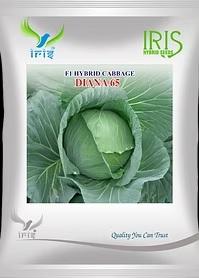
Cabbage is one of the most popular vegetables cultivated by farmers across different regions of India. It is widely used in fresh salads, cooked dishes, and various traditional recipes. With increasing demand for fresh and quality vegetables, farmers are looking for reliable ways to improve crop production and maintain good market value. Selecting suitable seeds is an important step toward achieving these goals.
F1 Hybrid Cabbage Seeds are developed through controlled breeding techniques to combine desirable characteristics from selected parent plants. These seeds are preferred by many farmers who want to grow uniform cabbage crops with good quality and attractive appearance. Choosing suitable hybrid seeds can help farmers plan their cultivation more effectively and manage their vegetable farming activities.
Understanding F1 Hybrid Cabbage Seeds
F1 hybrid cabbage seeds are produced by crossing two selected parent lines with different desirable characteristics. The resulting first-generation plants may show improved uniformity and consistent growth when grown under suitable conditions.
These hybrids are developed to meet different farming requirements, including plant growth, head formation, maturity, and vegetable quality. However, the performance of a hybrid depends on factors such as climate, soil conditions, irrigation, and crop management.
Farmers should select a hybrid variety according to their local growing conditions and the requirements of their target market.
Benefits of Choosing Hybrid Cabbage Seeds
One of the important advantages of hybrid cabbage cultivation is the potential for uniform crop development. When plants grow consistently, farmers can manage field operations more efficiently.
Some commonly desired characteristics of hybrid cabbage varieties include:
-
Uniform plant growth and development
-
Attractive cabbage head appearance
-
Good head formation under suitable conditions
-
Consistent crop maturity
-
Suitability for different cultivation requirements
-
Potential for improved market presentation
The actual characteristics may vary between hybrids, so farmers should always check the specific product information before selecting seeds.
Preparing the Soil for Cabbage Cultivation
Proper soil preparation creates a suitable environment for cabbage plants. Cabbage generally grows well in fertile, well-drained soil with good moisture-holding capacity.
Before sowing, farmers should prepare the field by removing weeds, stones, and unwanted plant material. The soil should be loosened properly to support root development.
Adding well-decomposed organic manure according to soil requirements can help improve soil structure and fertility. A soil test is useful for understanding nutrient levels and determining the appropriate fertilizer application.
Good field preparation also helps maintain proper drainage and reduces the risk of waterlogging.
Sowing and Transplanting Practices
Cabbage is commonly cultivated through nursery raising and transplanting. Seeds are first sown in a suitable nursery bed or seedling tray. Healthy seedlings are then transplanted into the prepared field at the appropriate stage.
Farmers should maintain suitable spacing between plants and rows according to the selected hybrid's recommendations. Proper spacing allows plants to receive sufficient sunlight, air circulation, and nutrients.
Seedlings should be handled carefully during transplanting to avoid damaging their roots. Transplanting during cooler parts of the day can help reduce moisture stress.
Irrigation and Nutrient Management
Water management plays an important role in cabbage cultivation. Plants require adequate moisture during establishment, vegetative growth, and head formation.
Regular irrigation should be provided according to soil type, weather conditions, and crop growth stage. Excessive watering should be avoided because waterlogging can affect root health.
Balanced nutrient management is also essential for healthy plant growth. Nitrogen, phosphorus, potassium, and other nutrients should be supplied according to soil test recommendations and crop requirements.
Farmers should avoid excessive fertilizer application, as it may affect crop quality and increase unnecessary cultivation costs.
Protecting the Crop from Weeds and Pests
Weed management is important during the early stages of cabbage growth. Weeds compete with young plants for nutrients, sunlight, and moisture. Timely hand weeding or other suitable weed-control practices can help maintain a clean field.
Cabbage crops may also be affected by insects and diseases depending on the growing region and season. Regular field monitoring helps farmers identify problems at an early stage.
Using recommended crop protection practices, maintaining field sanitation, and following local agricultural guidance can support healthier crop development.
Harvesting and Market Quality
Cabbage heads should be harvested when they reach the appropriate size and firmness for the selected hybrid and market requirement.
Timely harvesting helps maintain freshness and reduces the possibility of quality loss caused by over-maturity or unfavorable weather.
After harvesting, cabbage heads should be handled carefully to prevent bruising and physical damage. Proper sorting, grading, and transportation can help maintain their appearance and market value.
Conclusion
Selecting suitable seeds is an important part of successful cabbage cultivation. F1 Hybrid Cabbage Seeds can offer desirable characteristics such as uniform growth, attractive head formation, and consistent crop development when supported by proper farming practices.
Farmers should consider their local climate, soil conditions, cultivation season, and market requirements before choosing a hybrid variety. With suitable seed selection, balanced nutrition, proper irrigation, and timely crop management, cabbage growers can work toward healthy plants and quality vegetable production.
- Managerial Effectiveness!
- Future and Predictions
- Motivatinal / Inspiring
- Fitness and Wellness
- Medical & Health
- Manufacturing
- Education
- Real-Estate
- Food Industry
- Hospitality
- Online Games
- Sports
- Home Services
- Civil Engineering
- Safety and Protection
- Software Products & Services
- Fashion and Jewellery
- Artificial Intelligence
- Entrepreneurship
- Mentoring & Guidance
- Marketing
- Networking
- HR & Recruiting
- Literature
- Shopping
- Career Management & Advancement