

 SkillClick
What Makes a Whole-Home Renovation Successful From Planning to Completion?
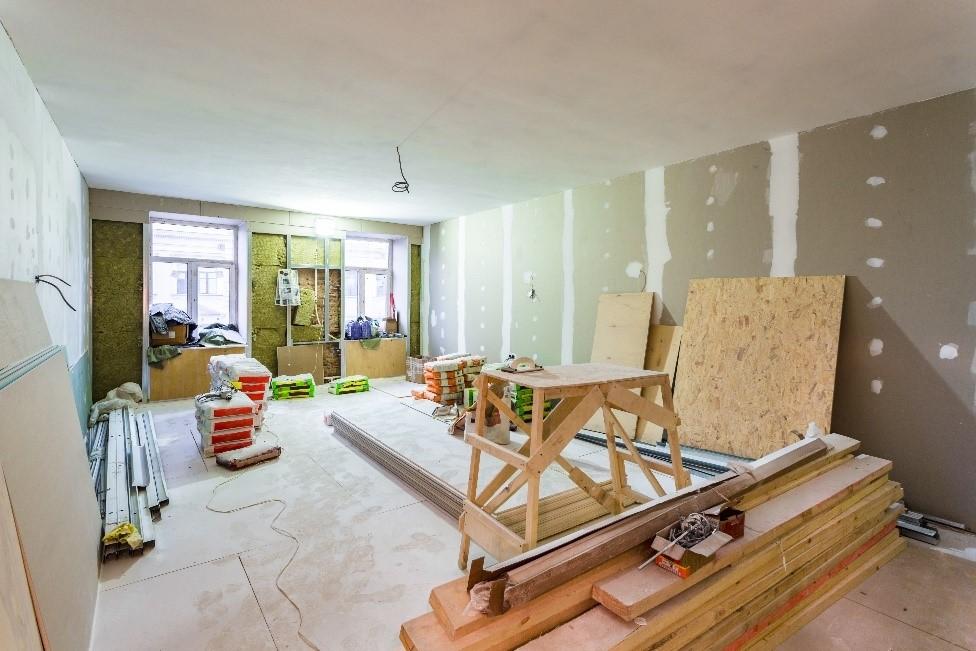
A home should support the way its residents live. As families grow and routines change, certain rooms may become less practical, storage may become insufficient, and older building features may require attention. Renovating several areas together provides an opportunity to improve the property as a complete living environment rather than treating every room as a separate project.
A well-organized home renovation and residential improvement process combines practical planning with suitable materials and careful construction. The goal is not simply to make a house look newer. It is to improve how its spaces function, address existing problems, and create a consistent environment that meets the household's needs.
Begin by Evaluating How the House Is Used
Before selecting finishes or discussing design ideas, homeowners should consider how they use each part of the property.
A room may look attractive but still be inconvenient because of poor storage, limited lighting, or an awkward layout. Identifying these everyday problems helps establish useful renovation priorities.
Walk through the house and consider questions such as:
-
Are frequently used rooms easy to access?
-
Is there enough storage for household belongings?
-
Do the kitchen and dining areas work well together?
-
Are bathrooms properly ventilated?
-
Does natural light reach the main living spaces?
-
Are there areas that remain unused?
-
Do the current room arrangements support privacy?
These observations can form the foundation of a renovation plan.
Create a Design That Connects Different Rooms
A whole-home project should consider the relationship between rooms. Flooring, wall colors, lighting, door styles, and materials influence how the property feels as a complete space.
This does not mean every room needs to look exactly the same. Instead, the design should maintain a reasonable level of consistency while allowing individual rooms to serve different purposes.
Choose a Consistent Material Direction
Selecting a few complementary materials can help create visual continuity. For example, similar flooring tones or coordinated hardware finishes can connect different areas without making the design repetitive.
Durability should also be considered. Materials used in kitchens and bathrooms need to handle different conditions from those used in bedrooms or living areas.
Balance Natural and Artificial Lighting
Lighting can influence how spacious and comfortable a room feels. Windows, skylights, ceiling fixtures, task lighting, and wall lights should be considered together.
A kitchen may need focused lighting around work surfaces, while bedrooms may benefit from softer lighting arrangements.
Avoid Overcomplicated Layout Changes
Removing walls and changing room dimensions can create more open spaces, but structural requirements must be reviewed first.
Sometimes, improving door placement, storage, or furniture arrangements can make a room more practical without major structural changes.
The Role of Kitchens in a Complete Renovation
The kitchen often receives significant attention because it supports several daily activities. Cooking, cleaning, storage, and family interaction all depend on how the space is organized.
An effective kitchen renovation should consider movement between the refrigerator, sink, cooking area, and preparation surfaces.
Improve Storage Organization
Cabinet arrangements should reflect the items used most frequently. Deep drawers, pull-out shelves, pantry storage, and well-planned corner cabinets can make better use of available space.
Select Practical Countertop Materials
Countertops should suit the household's cooking habits and maintenance preferences. Some materials require more regular care, while others are designed to resist common stains and daily wear.
Plan Appliance Placement
Appliances should be positioned to support convenient movement and safe use. Their dimensions, ventilation needs, and electrical requirements should be confirmed before cabinetry is installed.
Bathroom Renovations Require Special Planning
Bathrooms contain several systems and surfaces that need to work together. Plumbing, waterproofing, drainage, ventilation, lighting, and fixtures all influence the final result.
A bathroom may appear simple, but changes to its layout can affect several construction activities.
Waterproofing: Wet areas need appropriate protection to reduce the risk of moisture reaching surrounding structures.
Ventilation: Effective airflow helps remove excess moisture and supports better indoor conditions.
Storage: Cabinets and shelves should provide convenient access without making the room feel crowded.
Lighting: Suitable lighting around mirrors and other work areas improves everyday usability.
Fixtures: Toilets, sinks, showers, and taps should be selected according to available space and plumbing requirements.
Careful coordination helps reduce the likelihood of having to reopen finished walls or floors to correct earlier work.
How Whole Home Remodelers in Central Texas Approach Different Property Needs
Whole home remodelers in Central Texas may work with properties that have different layouts, ages, construction methods, and maintenance histories. Some homes need updated kitchens and bathrooms, while others require broader changes involving flooring, windows, electrical systems, or interior layouts.
The regional climate also influences renovation decisions. Hot summers, seasonal rainfall, and periods of high humidity can affect material selection and building performance.
For example, insulation and window choices can influence indoor temperature control. Roofing, drainage, and exterior seals should also be reviewed when the property needs broader improvements.
The right renovation approach depends on the home's existing condition and the homeowner's priorities. An inspection and detailed project plan can help establish which improvements are necessary and how different stages should be coordinated.
Updating Bedrooms and Private Areas
Bedrooms should provide comfortable spaces for rest, storage, and personal activities. Renovation decisions should focus on how these rooms are used rather than relying only on decorative changes.
Closet organization is one area that can improve functionality. Built-in shelving, hanging sections, and drawers can make better use of available space.
Flooring and wall finishes should also be selected with maintenance and comfort in mind. Lighting arrangements may include ceiling fixtures, bedside lights, and natural light from windows.
For homes with several bedrooms, a consistent design direction can help the property feel connected while allowing each room to have its own character.
Improve Storage Without Making Rooms Feel Smaller
Storage is often overlooked during renovation planning. However, insufficient storage can make even a recently updated house feel cluttered.
There are several ways to improve storage without taking up too much usable floor space.
Use Built-In Storage
Built-in cabinets and shelves can make use of areas that might otherwise remain empty. They are particularly useful in hallways, bedrooms, utility rooms, and home offices.
Review Unused Corners
Some corners can accommodate narrow shelving, cabinets, or other storage solutions. The design should preserve comfortable movement through the room.
Organize Utility Areas
Laundry rooms, cleaning supply areas, and storage closets should be arranged according to how often their contents are used.
A practical storage plan helps keep everyday items accessible while maintaining a cleaner appearance.
Managing Older Systems Before Cosmetic Work
A renovation is a suitable opportunity to evaluate the building systems that may be hidden behind finished surfaces.
Electrical wiring, plumbing, insulation, ventilation, and structural components can affect the safety and performance of a property. If these systems need attention, the work should be planned before installing new flooring, cabinets, or wall finishes.
For example, replacing old plumbing after a new bathroom has been completed may require removing recently installed materials. Coordinating system updates early can reduce the risk of repeated work.
Homeowners should discuss inspections with appropriately qualified professionals and confirm which improvements are necessary for the property's condition.
Selecting Materials That Suit Everyday Use
Material selection affects both appearance and long-term maintenance. A product that works well in one room may not be suitable for another.
For flooring, homeowners should consider moisture exposure, foot traffic, cleaning requirements, and compatibility with the subfloor.
For walls, paint finishes should reflect how frequently surfaces are touched or cleaned. Kitchens and bathrooms may need finishes suited to their specific conditions.
Exterior materials require separate consideration. They should be selected according to weather exposure, maintenance needs, and compatibility with existing construction.
It is useful to review samples under the actual lighting conditions of the home. This can help homeowners avoid unexpected differences between showroom samples and installed finishes.
How to Keep a Large Renovation Organized
Renovating an entire property involves multiple stages, and each stage may depend on the completion of another. A clear schedule helps coordinate work and reduce unnecessary disruption.
A typical project may include:
-
Initial property inspection.
-
Project planning and design development.
-
Budget preparation and material selection.
-
Required permits and approvals.
-
Demolition and removal of selected materials.
-
Structural, plumbing, and electrical work.
-
Wall preparation and insulation.
-
Flooring, cabinetry, and fixture installation.
-
Painting and finishing.
-
Final inspection and cleanup.
The exact order may change depending on the property and the renovation scope.
Homeowners should also discuss how the construction area will be protected. Dust barriers, floor coverings, and safe material storage can help reduce disruption to areas that are not being renovated.
What Should Be Reviewed Before the Project Is Finished?
A final walkthrough provides an opportunity to check whether the completed work matches the agreed plan.
Each room should be inspected, including cabinets, doors, windows, flooring, plumbing fixtures, electrical outlets, and paint finishes.
Homeowners should also review:
-
Completion of agreed construction work.
-
Operation of installed fixtures and appliances.
-
Cleanliness of renovated areas.
-
Any remaining adjustments.
-
Relevant warranties and product information.
-
Maintenance instructions for new materials.
Documenting outstanding concerns makes it easier to discuss them before the project is formally closed.
Conclusion
A successful whole-home renovation depends on more than attractive finishes. It requires practical room planning, attention to building systems, suitable material selection, and organized construction. By considering how the entire property works together, homeowners can create a more comfortable and functional living environment.
- Managerial Effectiveness!
- Future and Predictions
- Motivatinal / Inspiring
- Fitness and Wellness
- Medical & Health
- Manufacturing
- Education
- Real-Estate
- Food Industry
- Hospitality
- Online Games
- Sports
- Home Services
- Civil Engineering
- Safety and Protection
- Software Products & Services
- Fashion and Jewellery
- Artificial Intelligence
- Entrepreneurship
- Mentoring & Guidance
- Marketing
- Networking
- HR & Recruiting
- Literature
- Shopping
- Career Management & Advancement