

 SkillClick
Mobile App User Retention: 8 Strategies That Work
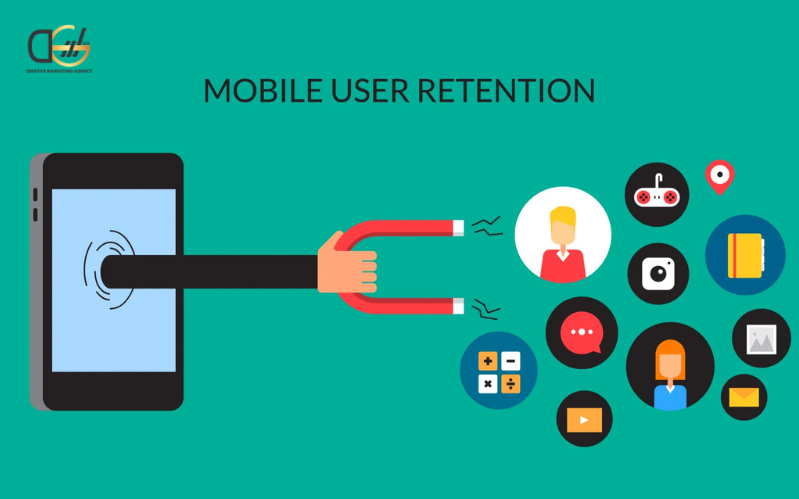
Getting people to download a mobile application is only the beginning of building a successful app. The bigger challenge is giving users enough value to keep returning. If an application is difficult to navigate, slow to respond, or fails to meet expectations, people may stop using it shortly after installation.
This makes mobile app user retention an important part of long-term app growth. Developers and businesses need to understand user expectations, identify reasons for disengagement, and continuously improve the experience. Companies looking to improve app engagement can also explore app retention and engagement strategies for additional insights.
A successful retention approach doesn't depend on sending more notifications or adding unnecessary features. It starts with delivering a useful experience and making it easier for people to achieve their goals. Here are eight practical strategies to improve user retention.
What Is Mobile App User Retention?
Mobile app user retention refers to an application's ability to keep people using it over time after they first install or open it.
Retention can be measured in different ways, depending on the application's purpose. A shopping app may focus on repeat purchases, while a productivity app may measure how consistently users return to complete tasks.
For example, a business might review how many new users return after one day, seven days, or thirty days. These measurements help identify whether the app continues to provide value after the first interaction.
Retention is different from downloads. A high installation count shows that people are interested in trying an application, but it does not necessarily indicate that they find it useful over time.
Why Is User Retention Important for App Growth?
User retention provides useful information about the quality of an application's experience and its ability to meet user expectations.
It Builds Long-Term Engagement
When users regularly return to an application, they have more opportunities to discover its features and develop familiarity with its services.
Consistent engagement can help an app become part of a user's regular activities when it provides genuine value.
It Helps Reduce User Churn
User churn occurs when people stop using an application or uninstall it. Reviewing retention patterns can help businesses identify when users begin disengaging.
For example, if many people leave during registration, the onboarding process may be too complicated. If users stop returning after their first purchase, the app may need better post-purchase communication or additional value.
It Supports Sustainable Business Growth
Retaining existing users can complement efforts to attract new audiences. Businesses can learn which features people value, improve the experience, and develop services around actual user needs.
However, retention should not be measured in isolation. It needs to be considered alongside satisfaction, meaningful engagement and business objectives.
8 Effective Strategies to Improve Mobile App User Retention
Improving retention requires a combination of product quality, user experience, and ongoing measurement. The following strategies provide a practical starting point.
1. Create a Simple Onboarding Experience
The first interaction with an application can influence whether someone decides to continue using it.
A complicated registration process, lengthy instructions, or too many permission requests may discourage new users before they understand the app's value.
Keep onboarding focused on what users need to get started.
Consider these improvements:
-
Use a short and clear introduction.
-
Explain the app's main purpose.
-
Avoid asking for unnecessary information.
-
Allow users to explore essential features.
-
Request permissions when they become relevant.
-
Make account creation straightforward.
For example, a task management app could guide new users through creating their first task instead of presenting several screens of instructions.
The objective is to help people experience the app's usefulness as quickly as possible.
2. Understand User Behavior Through Analytics
App analytics can reveal how people interact with different features and where they encounter difficulties.
Instead of relying on assumptions, businesses can examine actual behavior to identify opportunities for improvement.
Useful measurements may include:
-
Daily and monthly active users.
-
Session frequency.
-
Feature usage.
-
Registration completion.
-
Repeat purchases.
-
Retention by user group.
-
App uninstall patterns where available.
Analytics platforms such as Google Analytics for Firebase can help developers understand user activity, events, and engagement.
It is also important to define meaningful events before collecting data. Tracking every possible interaction without a clear purpose can make reports difficult to interpret.
3. Improve App Performance and Stability
Users expect applications to respond quickly and work reliably. Frequent crashes, long loading times,s and technical errors can reduce confidence in an app.
Performance should therefore be treated as an ongoing product priority.
Developers can improve stability by:
-
Monitoring crashes and error reports.
-
Testing updates across different devices.
-
Optimizing images and other resources.
-
Reducing unnecessary background processes.
-
Reviewing network requests.
-
Fixing problems that affect important user journeys.
An application does not need dozens of advanced features to create a positive experience. Reliable performance and straightforward functionality can be more valuable than unnecessary complexity.
4. Personalize the User Experience
Different users may have different goals, preferences and levels of experience. A personalized experience can make an application more relevant to individual needs.
Personalization might include recommended content, saved preferences, customized dashboards, or relevant product suggestions.
For example, a fitness application could allow users to select their preferred activities and goals. It could then present relevant workouts rather than showing identical recommendations to everyone.
Personalization should be based on useful information and transparent choices. Avoid collecting unnecessary personal data or making recommendations that feel intrusive.
5. Use Push Notifications Carefully
Push notifications can remind people about useful activities, updates, and information within an application. However, too many notifications can become frustrating.
A good notification should provide a clear reason for the user to open the app.
Useful examples include:
-
A reminder about an activity the user scheduled.
-
An update on an order or delivery.
-
A relevant message about a saved item.
-
A notification about an important account event.
-
A reminder that the user has chosen to receive.
Allow users to manage their notification preferences. Consider timing, relevance,e and frequency before sending messages.
The goal should be helpful communication rather than increasing app opens at any cost.
6. Introduce Features That Solve Real Problems
Adding new features can improve an application, but only when they address genuine user needs.
Before developing something new, review feedback, support requests, and usage data. This can help identify which improvements are most likely to make the experience more useful.
For example, users of a shopping application might benefit from better order tracking, while users of a learning app may need progress tracking or saved lessons.
Prioritize improvements that make important tasks easier. A smaller set of well-designed features can create a better experience than a large collection of confusing options.
7. Build a Consistent User Feedback Process
Feedback provides direct insight into how people experience an application.
Users may report confusing navigation, missing features, payment difficulties, or technical issues that aren't immediately visible through analytics.
Create simple opportunities for people to share their experiences.
These may include:
-
In-app feedback forms.
-
App store reviews.
-
Customer support conversations.
-
Short satisfaction surveys.
-
Usability testing sessions.
Review feedback regularly and look for recurring issues. Not every suggestion needs to become a new feature, but repeated complaints about the same problem deserve attention.
It is also useful to communicate important improvements through release notes so users understand how their feedback has been considered.
8. Keep Improving the Experience After Launch
An application should not remain unchanged after its initial release. User expectations, devices, and market conditions evolve.
Regular updates can improve performance, address security issues, and introduce features that respond to changing needs.
Before releasing an update, test key user journeys and check whether existing features still work correctly.
Monitor the results after launch to identify unexpected problems. A release that introduces new functionality but creates technical difficulties may harm the experience it was intended to improve.
How to Measure Mobile App Retention
An effective retention strategy needs clear measurements. Different apps may require different reporting periods and success indicators.
Day-One Retention
Day-one retention measures how many new users return one day after their first use.
It can provide an early indication of whether the onboarding experience and initial value are effective.
Day-Seven Retention
Day-seven retention shows how many users return after a week. It can help reveal whether the application continues to provide value beyond the initial experience.
Day-Thirty Retention
Day-thirty retention measures longer-term return behavior. It can help you understand whether people continue using an application after the first month.
These time periods are common measurement examples, but the right reporting schedule depends on the app's purpose. A daily utility app and an occasional booking app should not necessarily be evaluated in the same way.
Engagement and Feature Usage
Retention figures alone do not explain why users return. Review engagement indicators to understand what people actually do inside the application.
For example, users may open an app frequently but fail to complete important actions. Measuring meaningful events can provide a more accurate picture of product value.
Google Analytics provides retention and user activity reports that can help teams review return behavior over time.
Common Mistakes That Can Reduce App Retention
Even well-developed applications can lose users when important experience problems are overlooked.
Complicated onboarding: Asking users to complete too many steps before they can explore the application can create unnecessary friction.
Too many notifications: Repeated or irrelevant messages may cause users to turn off notifications or stop engaging with the app.
Ignoring user feedback: Repeated problems can damage confidence when users feel that their concerns are not being addressed.
Adding unnecessary features: Extra functionality can make an application harder to understand if it does not solve a real problem.
Neglecting performance: Slow loading, crashes, and technical errors can push users to look for alternatives.
Measuring downloads only: Installation numbers do not show whether people continue using an application. Retention and meaningful engagement should also be monitored.
How to Build a Practical App Retention Plan
A structured plan can help teams turn retention insights into measurable improvements.
Start by identifying the most important user journey. This could involve registration, completing a first task, making a purchase, or accessing a core feature.
Next, review the data to find where users experience difficulties. Combine analytics with feedback so that decisions are based on both behavior and user opinions.
Choose one or two improvements that address the most important issues. Test them with an appropriate group of users, measure the results, and decide whether further changes are necessary.
Finally, repeat the process. Retention improvement is an ongoing activity rather than a single development task.
By combining user feedback with meaningful analytics, developers can create applications that are easier to use and more valuable over time.
For further guidance on measuring app engagement and retention, explore Google's Google Play Academy course on app engagement.
Final Thoughts
Mobile app user retention depends on whether an application continues to meet people's needs after installation. Clear onboarding, reliable performance, useful personalization, and relevant communication can all contribute to a better experience.
Businesses should avoid focusing only on downloads or notification activity. Instead, they should understand how people use the app, identify where they disengage, and improve the features that matter most.
- Managerial Effectiveness!
- Future and Predictions
- Motivatinal / Inspiring
- Fitness and Wellness
- Medical & Health
- Manufacturing
- Education
- Real-Estate
- Food Industry
- Hospitality
- Online Games
- Sports
- Home Services
- Civil Engineering
- Safety and Protection
- Software Products & Services
- Fashion and Jewellery
- Artificial Intelligence
- Entrepreneurship
- Mentoring & Guidance
- Marketing
- Networking
- HR & Recruiting
- Literature
- Shopping
- Career Management & Advancement