

 SkillClick
How Can Commercial Buildings Maintain Clear and Presentable Glass Surfaces?
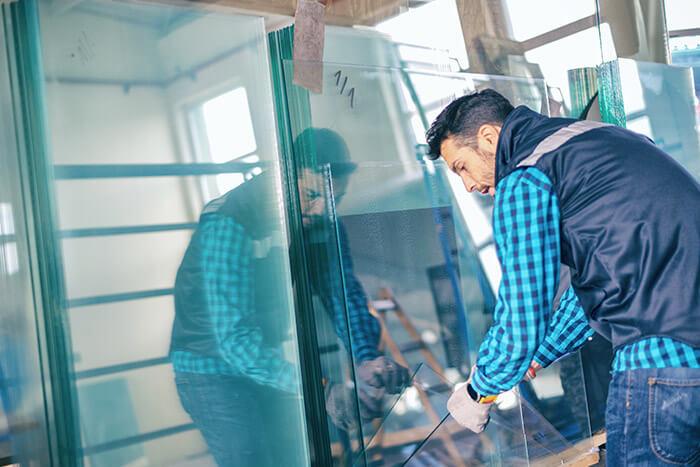
Glass is an important feature of modern commercial buildings. Offices, shopping centers, hotels, restaurants, and retail spaces often use large glass windows, doors, partitions, and exterior panels to create bright and welcoming environments. These surfaces allow natural light to enter while giving buildings a clean and professional appearance. However, regular exposure to weather, pollution, fingerprints, and other contaminants can gradually affect their clarity.
Regular commercial window maintenance and glass surface care help preserve the appearance and condition of these installations. Without proper attention, minor marks can develop into stubborn stains, while scratches and surface damage may become more noticeable. A suitable maintenance approach helps property owners manage these issues and keep commercial spaces looking presentable.
Why Does Commercial Glass Require Regular Attention?
Commercial glass is exposed to different environmental conditions depending on its location and purpose. Exterior windows face sunlight, rain, wind, airborne dust, and pollution. Interior glass panels are more likely to collect fingerprints, cleaning residue, and marks from everyday contact.
Large glass installations can also make minor imperfections easier to notice. A small water stain on a residential window may go unnoticed, but similar marks across a large storefront can affect the appearance of the entire property.
Several factors contribute to the gradual deterioration of glass surfaces:
-
Dust and airborne particles settling on windows.
-
Mineral deposits left behind by rain or cleaning water.
-
Fingerprints and oily residue on frequently touched panels.
-
Construction dust and environmental pollutants.
-
Incorrect cleaning methods that leave marks.
-
Scratches caused by unsuitable tools or abrasive materials.
Regular inspection makes it easier to identify these issues before they become more difficult to manage.
Common Types of Glass Problems in Commercial Properties
Different types of glass damage require different approaches. Identifying the condition of the surface is an important first step before selecting a cleaning or restoration method.
Mineral Deposits and Water Stains
Water stains often develop when droplets dry on glass and leave minerals behind. These deposits can create cloudy patches, particularly on exterior windows exposed to rain or sprinkler systems.
In areas with mineral-rich water, repeated exposure may lead to more noticeable buildup. Ordinary glass cleaning may remove loose dirt but may not be sufficient for older mineral deposits.
Surface Scratches
Scratches can occur when glass comes into contact with rough materials or unsuitable cleaning equipment. Sand, dust, and other small particles may become trapped beneath cleaning tools and create marks during wiping.
Commercial properties with frequent maintenance activity may experience this problem if cleaning procedures are not carefully managed.
Haze and Residue
Some glass surfaces develop a hazy appearance because of accumulated cleaning chemicals, pollution, or environmental deposits. This can reduce transparency and make windows look dirty even after basic cleaning.
The correct treatment depends on the source of the haze and the condition of the glass.
Weather-Related Surface Changes
Exterior glass remains exposed to changing weather conditions throughout the year. Rain, heat, humidity, and airborne contaminants can affect its appearance over time.
Although glass is durable, regular exposure can make surface maintenance necessary.
How Does Glass Restoration Help Commercial Buildings?
Glass restoration focuses on improving the appearance of existing glass surfaces rather than immediately replacing them. Depending on the condition of the material, restoration may involve removing deposits, treating certain surface imperfections, or improving clarity through suitable professional methods.
The process usually begins with an inspection. The glass is examined for stains, scratches, residue, and other visible problems. This helps determine which areas need attention and whether restoration is suitable.
Some issues can be addressed through specialized cleaning. More persistent surface imperfections may require additional treatment. However, not every type of damage can be corrected, and severely damaged glass may still require replacement.
Improving the Appearance of Windows
Clean and clear windows contribute to the overall appearance of a commercial property. Removing accumulated deposits can improve transparency and help natural light enter the building more effectively.
This can be especially valuable for storefronts, office buildings, and hospitality spaces where large glass panels are a visible part of the architecture.
Supporting Existing Glass Installations
Replacing large glass panels can involve material costs, installation work, and temporary disruption. When the glass remains structurally sound, restoration may provide an alternative for addressing certain cosmetic problems.
An inspection helps determine whether restoration is appropriate or whether replacement is the safer option.
Maintaining Interior Glass Features
Commercial interiors often include glass partitions, conference room walls, display cases, and entrance doors. These surfaces can collect fingerprints and marks throughout the day.
Suitable cleaning and maintenance help keep these features clear without affecting the surrounding finishes.
What Happens During a Professional Glass Assessment?
A proper assessment helps identify the condition of the glass before any restoration work begins. It also reduces the possibility of using an unsuitable treatment.
The inspection may include several steps.
Surface examination: The technician checks for scratches, mineral deposits, cloudy areas, and other visible imperfections.
Contamination assessment: Dirt, chemical residue, and mineral buildup are evaluated to identify possible causes of discoloration.
Glass condition review: The surface is examined for damage that may affect the suitability of restoration.
Treatment selection: A suitable cleaning or restoration approach is selected according to the material and the type of problem.
This process helps establish realistic expectations. Some surface marks may improve significantly, while deeper damage may remain visible.
When Is Commercial Glass Restoration in Miami, FL Necessary?
Commercial Glass Restoration in Miami, FL can be relevant for properties dealing with persistent water stains, surface haze, scratches, or accumulated environmental deposits. The coastal climate, humidity, rain, and airborne contaminants can create ongoing maintenance challenges for commercial glass installations.
Buildings with large exterior windows may require regular inspections to identify early signs of staining and surface deterioration. Storefronts and office entrances may also need more frequent attention because their glass panels receive constant contact from visitors and employees.
The appropriate restoration method depends on the type of glass, the extent of the damage, and the condition of the surface. An inspection can help determine whether specialized cleaning, surface treatment, or replacement is the most suitable option.
How Can Commercial Properties Prevent Future Glass Problems?
Preventive maintenance can reduce the frequency of difficult restoration work. A consistent schedule also makes it easier to identify small problems before they affect larger sections of a building.
Establish a Cleaning Schedule
Different glass surfaces may require different cleaning frequencies. Storefront doors and entrance panels often collect fingerprints quickly, while upper exterior windows may accumulate dust and weather-related deposits.
A planned schedule helps ensure that frequently used areas receive suitable attention.
Use Appropriate Cleaning Equipment
Soft microfiber cloths, suitable squeegees, and non-abrasive cleaning materials are generally better choices for routine glass maintenance.
Rough pads and unsuitable tools can create scratches, particularly when dust or grit is present.
Pay Attention to Water Sources
Sprinkler systems and leaking fixtures can repeatedly expose windows to mineral-rich water. Adjusting sprinkler direction or addressing leaks may help reduce water staining.
Train Cleaning Staff
Cleaning teams should know which products and tools are appropriate for different glass surfaces. Consistent procedures can reduce accidental damage caused by incorrect cleaning methods.
Inspect Hard-to-Reach Areas
Upper windows, corners, and exterior glass sections may not receive attention during routine cleaning. Periodic inspections help identify deposits and other problems in these areas.
Choosing Suitable Cleaning Methods for Different Glass Surfaces
Commercial buildings may contain several types of glass, including standard clear glass, tempered glass, laminated glass, and decorative panels. Each installation may have specific cleaning requirements.
For example, decorative glass may have finishes that need special care, while coated glass can be affected by incompatible chemicals.
Before applying any product, property managers should review the manufacturer's instructions or consult a qualified professional. This is especially important when dealing with large installations or glass that has an existing protective treatment.
The cleaning approach should remove contaminants without creating additional surface problems.
Why Is Consistent Maintenance Better Than Occasional Deep Cleaning?
Leaving glass surfaces unattended for long periods can allow deposits to accumulate. Once buildup becomes heavy, cleaning may require more time and specialized products.
A consistent maintenance routine helps control this process. It also provides opportunities to identify scratches, loose fittings, damaged seals, or other concerns that may need separate attention.
For commercial property managers, scheduled maintenance makes glass care easier to organize. It can also help maintain a consistent appearance across different sections of a building.
Conclusion
Commercial glass plays an important role in the appearance and functionality of modern properties. Regular inspection, suitable cleaning methods, and timely restoration can help maintain its clarity and condition. By addressing stains and surface imperfections early, property owners can keep existing glass installations presentable and make long-term maintenance more manageable.
- Managerial Effectiveness!
- Future and Predictions
- Motivatinal / Inspiring
- Fitness and Wellness
- Medical & Health
- Manufacturing
- Education
- Real-Estate
- Food Industry
- Hospitality
- Online Games
- Sports
- Home Services
- Civil Engineering
- Safety and Protection
- Software Products & Services
- Fashion and Jewellery
- Artificial Intelligence
- Entrepreneurship
- Mentoring & Guidance
- Marketing
- Networking
- HR & Recruiting
- Literature
- Shopping
- Career Management & Advancement