

 SkillClick
Effective Communication Techniques When Working With Shy or Anxious Students
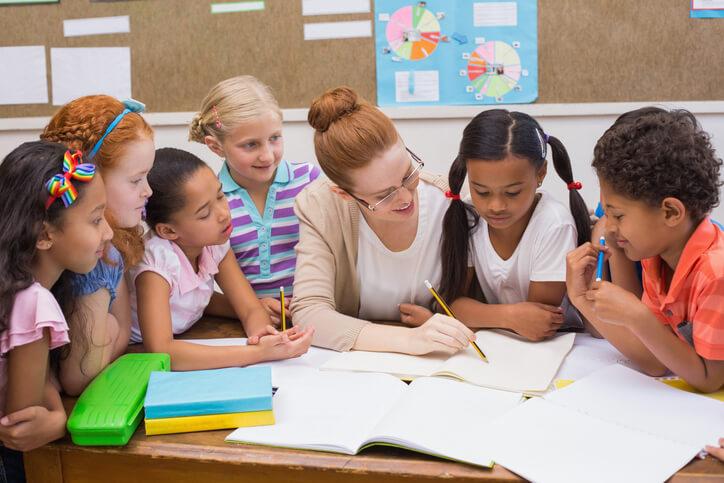
Walking into a bustling classroom can feel overwhelming for many young learners. While some children eagerly raise their hands and share every passing thought, others retreat into the background, hoping to remain invisible. Shyness and classroom anxiety are very common, yet they often prevent bright, capable students from fully participating in their education. Bridging this gap requires patience, empathy, and a deliberate shift in how educators and support staff interact with quiet learners. By adopting gentle, low-pressure communication strategies, adults can create a safe harbor where anxious students slowly build the confidence to find their voices.
Shifting the Focus to Low-Pressure Interactions
For an anxious student, being put on the spot in front of twenty or thirty peers is often their worst nightmare. Traditional teaching methods, such as cold-calling or demanding immediate verbal answers, can trigger a fight-or-flight response that shuts down learning entirely. Instead, educators should prioritize low-pressure, one-on-one interactions. Speaking to a shy student quietly at their desk during independent work time removes the fear of public judgment. Keep your tone warm, conversational, and unhurried. Rather than asking broad, intimidating questions like, "Do you understand this?" try specific, manageable prompts such as, "Which part of this worksheet looks the most interesting to you?" This small adjustment shifts the dynamic from an interrogation to a supportive conversation, allowing the child to engage without feeling scrutinized by the rest of the room.
The Power of Non-Verbal Reassurance and Active Listening
Communication extends far beyond the words we speak; for a nervous child, body language often speaks the loudest. Standing over a seated student can feel unintentionally intimidating, so make a habit of crouching or sitting down to reach their eye level. Maintain a relaxed posture, offer genuine smiles, and give them plenty of time to process your words before expecting a reply. Silence can feel uncomfortable for adults, leading us to jump in and finish a child’s sentence, which inadvertently reinforces their insecurity. Practicing patient, active listening shows the student that their thoughts are worth waiting for. Furthermore, validating their feelings without dismissing them—saying things like, "It is completely normal to feel a bit nervous before a group activity"—helps normalize their anxiety and builds deep, lasting trust.
Offering Alternative Pathways for Classroom Participation
Verbal participation is not the only valid way for a student to demonstrate engagement and understanding. When we broaden our definition of communication, shy learners thrive. Introducing non-verbal check-ins, such as thumbs-up signals, color-coded desk cards, or mini whiteboards, allows anxious students to answer questions alongside their peers without the stress of speaking aloud. Written communication is another fantastic tool; passing a quick, encouraging sticky note or maintaining a back-and-forth dialogue journal gives quiet students a safe space to express their ideas and ask for help. As these learners become more comfortable sharing their thoughts in writing or through small gestures, they naturally develop the self-assurance needed to eventually transition into spoken classroom discussions at their own pace.
Building Confidence Through Structured Peer Connections
Large group discussions can easily drown out softer voices, leaving anxious students feeling isolated. Facilitating structured, small-group interactions or strategic pair work provides a much gentler stepping stone toward social confidence. Using techniques like "Think-Pair-Share" allows a student to formulate their thoughts privately, test them out with a single trusted partner, and then decide if they want to share with the wider class. Pairing a shy student with a kind, patient peer rather than an overly dominant personality ensures a balanced exchange. Over time, these positive micro-interactions help dismantle the fear of social rejection, proving to the anxious learner that their contributions are valued by both their classmates and the adults guiding them.
The Essential Role of Classroom Support Staff
Creating an inclusive, communicative environment is a team effort that relies heavily on the dedication of classroom support personnel. Often, it is the attentive presence of an assistant that makes the biggest difference for a struggling or withdrawn child, as they have the flexibility to offer targeted, individualized encouragement while the lead teacher manages the broader lesson. Anyone aspiring to step into this rewarding educational role can build a strong foundation by becoming a level 1 teaching assistant, where they learn the core principles of child development, safeguarding, and supportive classroom communication. Having trained, observant adults in the room ensures that quiet students do not slip through the cracks, providing them with a consistent ally who understands their unique communication triggers and celebrates every small step forward.
Cultivating Patience for Long-Term Growth
Overcoming deep-seated shyness or school-related anxiety does not happen overnight. There will be days when a student makes wonderful progress, followed by moments when they retreat back into their shell. The key to effective communication is consistency and unconditional positive regard. Celebrate the small victories privately—a quiet "I really appreciated how you shared your idea with your partner today" goes a long way without drawing unwanted public attention. By remaining patient, adaptable, and genuinely curious about what quiet students have to say, educators can transform the classroom from a source of stress into a welcoming community where every child feels heard.
- Managerial Effectiveness!
- Future and Predictions
- Motivatinal / Inspiring
- Fitness and Wellness
- Medical & Health
- Manufacturing
- Education
- Real-Estate
- Food Industry
- Hospitality
- Online Games
- Sports
- Home Services
- Civil Engineering
- Safety and Protection
- Software Products & Services
- Fashion and Jewellery
- Artificial Intelligence
- Entrepreneurship
- Mentoring & Guidance
- Marketing
- Networking
- HR & Recruiting
- Literature
- Shopping
- Career Management & Advancement