

 SkillClick
How Custom Gift Boxes and Apparel Gift Boxes Enhance Clothing Presentation and Brand Appeal
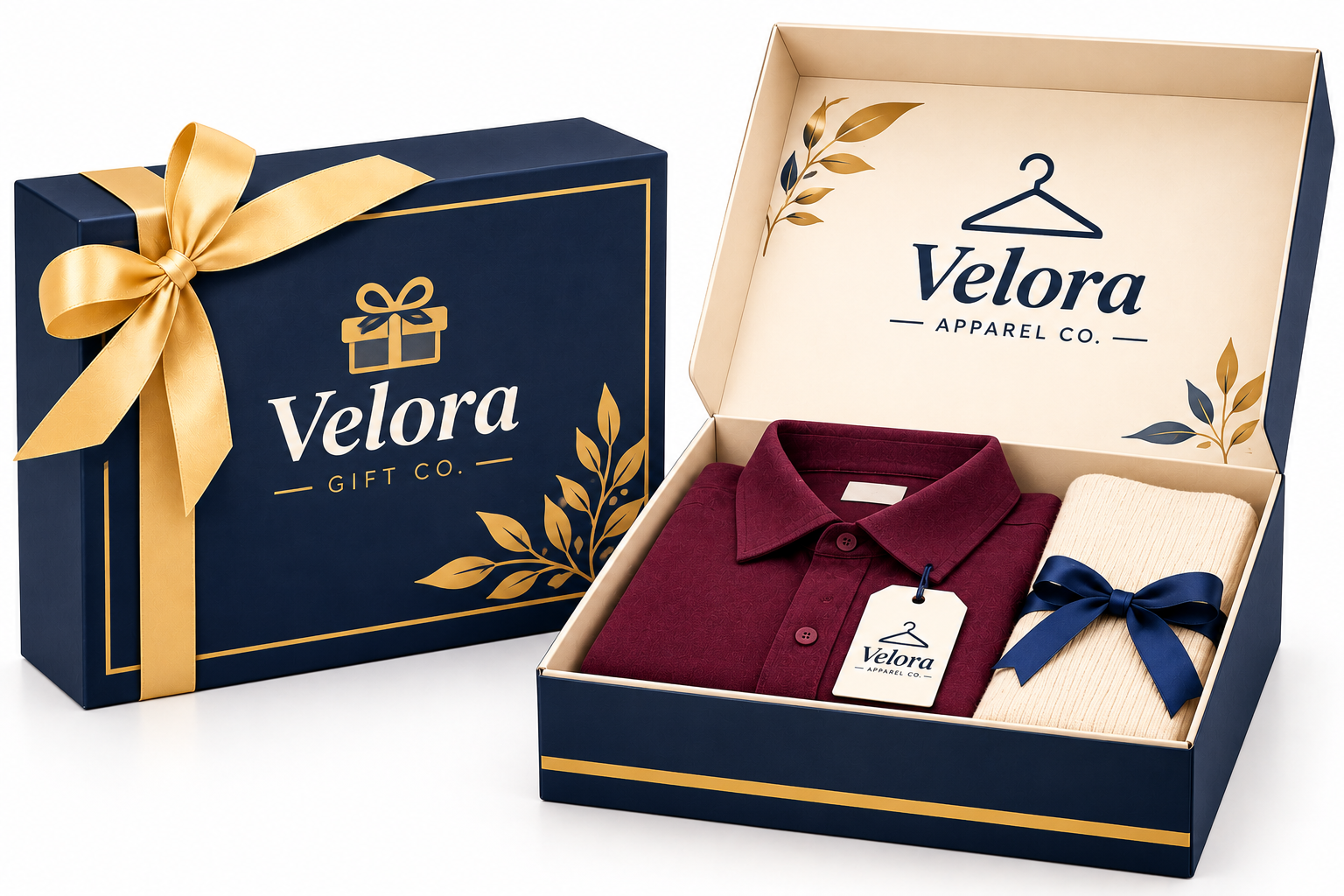
In the competitive fashion industry, the way clothing is presented can influence how customers perceive a brand. Whether someone purchases a premium shirt, stylish scarf, or complete outfit as a gift, attractive presentation adds meaning to the shopping experience. Customers appreciate products that look carefully prepared and arrive in excellent condition.
For fashion retailers, gift presentation provides an opportunity to communicate brand identity while making special purchases more memorable. However, successful presentation requires more than decorative colors and attractive finishes.
Businesses must consider garment dimensions, fabric protection, convenient handling, and customer expectations. Combining these factors can help clothing brands create professional experiences that support long-term customer relationships.
Why Gift Presentation Matters for Clothing Brands
Clothing is frequently purchased for birthdays, anniversaries, holidays, and professional celebrations. These occasions often involve expectations that differ from ordinary retail purchases.
A neatly folded garment inside an attractive gift container can create a more thoughtful impression than an item delivered without attention to presentation.
For example, a premium menswear store may offer gift-ready arrangements for formal shirts, while a fashion boutique could prepare coordinated accessories for special occasions.
Such experiences can make customers feel that their purchases have received individual attention.
However, attractive presentation should always complement fabric quality, accurate sizing, and dependable service.
How Custom Gift Boxes Strengthen Brand Recognition
Fashion businesses need recognizable identities to distinguish themselves from competitors.
Retailers exploring Custom Gift Boxes can introduce signature colors, printed logos, distinctive typography, and seasonal artwork into their gifting services.
For example, a luxury accessories company might choose a deep navy design with subtle gold accents, while a contemporary fashion label could prefer minimalist black-and-white graphics.
Consistent visual elements connect physical purchases with websites, advertising campaigns, and retail displays.
A recognizable design helps customers associate memorable gifting experiences with the company.
Businesses should ensure that decorative features reflect their established identity rather than following trends that may quickly become outdated.
Understanding the Benefits of Apparel Gift Boxes
Different clothing items require different presentation arrangements.
Businesses considering Apparel Gift boxes should evaluate garment dimensions, fabric thickness, folding requirements, and the purpose of the purchase.
A lightweight silk scarf requires less internal space than a thick sweater or coordinated clothing set.
For example, a formalwear retailer may need sufficient room for a folded dress shirt without placing excessive pressure on its collar.
Similarly, a boutique selling winter accessories may require deeper designs to accommodate knitted products.
Choosing suitable dimensions helps maintain an organized appearance and prevents unnecessary compression.
Testing actual garments before purchasing large quantities is an important part of making reliable decisions.
Creating Memorable Experiences Through Thoughtful Packaging
Thoughtful packaging helps clothing businesses protect garments while creating enjoyable gifting experiences. Materials should be selected according to fabric sensitivity, product weight, and intended handling conditions. Secure closures, suitable dimensions, and carefully arranged contents can help prevent unnecessary movement during transportation. Tissue paper, fabric supports, and garment care instructions may provide additional value when appropriate. Decorative features such as ribbons or personalized messages can make a gift feel special without creating excessive complexity. Businesses should also consider ease of opening and the amount of storage space required. Balancing reliable protection with attractive presentation helps create professional experiences that customers appreciate.
Choosing the Right Size for Different Clothing Products
Accurate sizing plays an important role in clothing presentation.
An oversized container may allow garments to move unnecessarily, while an undersized design can create unwanted wrinkles.
Retailers should measure clothing after folding it according to their standard preparation procedures.
For example, a folded T-shirt generally requires less space than a heavy sweatshirt.
Businesses offering multiple clothing categories may benefit from maintaining several standardized sizes.
This approach simplifies inventory management and helps employees prepare gift orders efficiently.
Before placing large orders, retailers should evaluate samples using their actual merchandise.
Protecting Delicate Fabrics During Gift Preparation
Different fabrics react differently to pressure, folding, and storage conditions.
Silk, linen, cotton, and knitted materials may require different handling techniques.
Delicate garments should not be compressed unnecessarily, particularly when they include decorative embroidery or structured details.
Businesses should also avoid placing rough accessories directly against sensitive fabrics.
For example, a boutique preparing a scarf and jewelry gift set may need separate compartments or protective layers.
Clear garment care instructions can further improve the customer experience.
Careful handling demonstrates attention to product quality and helps reduce avoidable complaints.
Selecting Colors and Finishes That Reflect Brand Personality
Visual design communicates a fashion brand's identity before customers examine the garment itself.
Soft neutral colors may complement minimalist clothing labels, while rich tones and metallic finishes can create a more formal appearance.
Businesses may also consider embossing, foil stamping, and textured surfaces when developing premium collections.
However, decorative techniques should support a clear design concept.
Combining too many colors or finishes can distract from the brand's identity.
A simple, recognizable logo paired with carefully selected colors often creates a professional appearance.
Consistency across seasonal collections reinforces brand familiarity.
Making Clothing Gifts More Personal
Personalization can transform a routine purchase into a meaningful experience.
Fashion retailers may offer handwritten messages, greeting cards, or coordinated designs for specific celebrations.
For example, a clothing boutique could provide a personalized note with a birthday gift, while a corporate apparel supplier might include a short appreciation message.
These additions help customers communicate their intentions without arranging separate gift preparation.
However, personalized services should remain practical and clearly priced.
Businesses should also confirm recipient details carefully to avoid mistakes.
Thoughtful personalization can encourage positive associations with the brand.
Improving the Online Clothing Gift Experience
Online shoppers cannot physically examine garments before receiving them.
Accurate product photographs, size charts, material descriptions, and clear delivery information are therefore essential.
Retailers offering gift services should explain what customers can expect when their orders arrive.
For example, a website may show whether a gift includes tissue paper, a message card, or a particular presentation style.
Businesses should avoid displaying decorative features that are not included in the actual purchase.
Transparent descriptions help manage expectations and reduce disappointment.
Reliable communication and accurate order preparation contribute to a more satisfying online shopping experience.
Balancing Premium Presentation With Business Costs
Gift presentation can involve additional expenses, making financial planning important.
Material quality, printing methods, decorative finishes, and order quantities all influence production costs.
Businesses should compare supplier quotations and inspect physical samples before making major purchasing decisions.
Premium finishes may suit luxury collections but may not be necessary for everyday clothing gifts.
Standardizing suitable dimensions can also simplify purchasing.
Retailers should avoid ordering excessive quantities for short seasonal campaigns.
The most effective strategy balances attractive presentation with genuine customer value and manageable expenses.
Considering Responsible Materials and Reusability
Environmental considerations are influencing how fashion businesses evaluate their retail operations.
Companies can explore responsibly sourced materials and designs that minimize unnecessary waste.
Some customers may reuse durable gift containers for storing accessories or personal belongings.
However, potential reuse does not automatically guarantee environmental sustainability.
Coatings, adhesives, and mixed materials can influence disposal and recycling options.
Businesses should verify supplier information before making environmental claims.
Responsible decisions should balance material efficiency with garment protection and customer convenience.
Building Customer Loyalty Through Consistent Quality
Customer loyalty develops through repeated positive experiences.
Attractive gift presentation may encourage an initial purchase, but clothing quality, reliable sizing, and responsive service influence future decisions.
Businesses should collect feedback about garment condition, presentation quality, and delivery experiences.
For example, recurring comments about wrinkled shirts may indicate that folding procedures or dimensions need improvement.
Retailers can use these insights to improve future orders.
When professional presentation is supported by dependable products, customers may become more confident recommending the brand.
Conclusion
Creative clothing gift presentation helps fashion businesses strengthen brand identity and make special purchases more memorable.
Suitable dimensions, careful fabric handling, recognizable designs, and personalized details all contribute to positive customer experiences.
However, successful presentation requires more than attractive decoration. Product protection, practical functionality, and dependable service remain equally important.
By understanding customer expectations and selecting appropriate solutions, clothing brands can enhance perceived value, improve satisfaction, and build lasting relationships in competitive retail markets.Read more
- Managerial Effectiveness!
- Future and Predictions
- Motivatinal / Inspiring
- Fitness and Wellness
- Medical & Health
- Manufacturing
- Education
- Real-Estate
- Food Industry
- Hospitality
- Online Games
- Sports
- Home Services
- Civil Engineering
- Safety and Protection
- Software Products & Services
- Fashion and Jewellery
- Artificial Intelligence
- Entrepreneurship
- Mentoring & Guidance
- Marketing
- Networking
- HR & Recruiting
- Literature
- Shopping
- Career Management & Advancement