

 SkillClick
Why Does a Garage Door Opener Stop Working Properly?
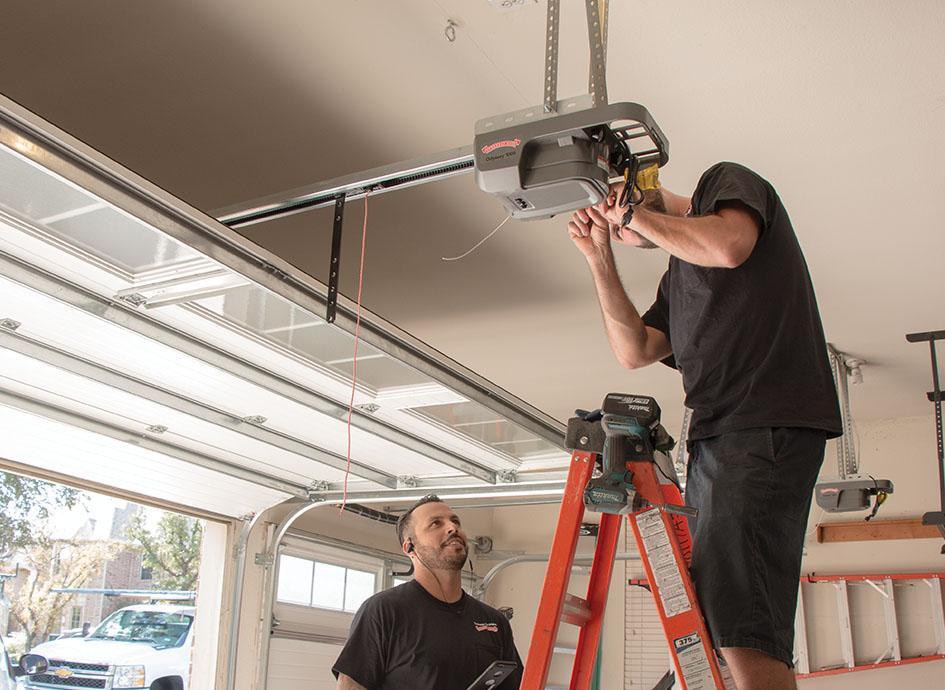
An automatic garage door opener makes daily access to a garage easier by controlling the movement of a heavy door with the push of a button. It allows homeowners to open and close the garage without manually lifting the door. Like other mechanical and electrical systems, however, an opener can develop problems through regular use, component wear, or changes in its operating conditions. When the system becomes unreliable, even a small fault can interrupt a household's routine.
Regular garage door opener maintenance can help identify early signs of trouble and keep the system operating as intended. An opener relies on several connected parts, including a motor, control board, remote transmitter, wall control, safety sensors, and drive mechanism. A problem with one part may affect the performance of the entire system. Recognizing common symptoms can help homeowners decide when to stop using the door and arrange a suitable inspection.
What Does a Garage Door Opener Do?
A garage door opener is an electrically powered device that moves a garage door along its track system. When a user activates the remote or wall control, the opener receives a signal and operates the mechanism connected to the door.
The opener does not work independently. Its performance depends on the door's condition, the supporting hardware, and the safety features installed with the system. If the door is damaged or difficult to move, the opener may experience additional strain.
Most automatic systems include:
-
An electric motor that provides operating power.
-
A drive mechanism that transfers movement to the door.
-
A control unit that processes commands.
-
Remote controls or wall-mounted buttons.
-
Safety sensors that help detect obstructions.
-
Lighting and other features, depending on the model.
Different openers may have different operating systems and features. Checking the manufacturer's information is useful when identifying the type of system installed in a property.
Common Reasons an Opener Stops Responding
An opener that does not respond to a command may have an electrical, control, or mechanical issue. The cause is not always immediately obvious, particularly when the system has several connected components.
A power interruption may prevent the opener from operating. Problems with the remote transmitter, wall control, or receiver can also affect communication between the user and the system.
In other cases, the opener may receive a command but stop before completing the movement. This can happen when a safety feature detects an obstruction or when the system identifies an operating problem.
Homeowners should observe the symptoms without attempting to open the motor housing or adjust internal components. If the opener behaves unexpectedly, a qualified technician can inspect the system and identify the cause.
How Remote Controls Affect Opener Performance
Remote controls provide convenient access to automatic garage doors. They send a signal to the opener, allowing it to begin the opening or closing process.
If the remote works inconsistently, the issue may involve its battery, buttons, programming, or signal reception. Interference or a problem with the opener's receiver may also affect communication.
A remote that stops working does not necessarily mean the entire opener needs replacement. The issue may be limited to the control device or another part of the communication system.
Homeowners should keep remotes away from moisture and physical damage. They should also store them securely, especially when the garage provides direct access to the home.
If several controls stop working at the same time, the opener itself may need inspection. A technician can evaluate whether the problem involves the receiver, control system, or another component.
Why Does the Garage Door Reverse Unexpectedly?
An automatic garage door may reverse direction when its safety system detects an obstruction or identifies an operating condition that requires the door to stop.
Safety sensors are commonly positioned near the lower sides of the garage door opening. They help detect objects within the door's path and send signals to the opener. If their operation is affected, the door may refuse to close or may behave differently than expected.
Possible causes of sensor-related problems include:
-
Dust or dirt covering the sensor surfaces.
-
An object blocking the sensor area.
-
Accidental movement of a sensor bracket.
-
Damaged wiring or electrical connections.
-
A fault within the opener's control system.
The sensor area should remain clear, and homeowners can visually check for obvious obstructions without touching electrical connections or changing the system's alignment. Persistent problems require professional attention.
Safety features should never be disabled to make a door close. They are designed to reduce the risk of accidents involving people, pets, vehicles, and objects.
Different Types of Garage Door Openers
Garage door openers use different drive systems. Their construction can influence noise levels, maintenance requirements, and suitability for a particular garage.
Chain-Drive Openers
Chain-drive systems use a metal chain to move the garage door. They are commonly found in residential properties and can be suitable for different door designs.
Because they use a moving chain, these systems may produce more operating noise than some alternatives. Their condition should be checked according to the manufacturer's maintenance instructions.
Belt-Drive Openers
Belt-drive systems use a reinforced belt instead of a metal chain. They are often selected for garages where quieter operation is preferred.
Their performance depends on the quality of the system and its compatibility with the door. The belt and other supporting components should be inspected when unusual movement or noise develops.
Screw-Drive Openers
Screw-drive systems use a rotating threaded rod to move the door. Their design differs from chain and belt mechanisms, so their maintenance requirements may also vary.
Environmental conditions and product specifications can influence how these systems perform. Homeowners should follow the maintenance guidance supplied with the specific model.
Direct-Drive Openers
Direct-drive designs use a motor arrangement that moves along a stationary rail or operates through a different mechanism, depending on the model. Some are designed to reduce the number of moving parts.
Their features, noise levels, and installation requirements vary by manufacturer. Product specifications should be reviewed before selecting a replacement system.
Signs That an Opener Needs Professional Inspection
Garage door opener problems do not always result in complete failure. Sometimes the system continues working but shows changes that indicate a developing fault.
Homeowners should pay attention to the following signs:
-
The motor makes unusual or repeated noises.
-
The door starts moving and then stops.
-
The remote works only occasionally.
-
The opener responds slowly to commands.
-
The door reverses without an obvious reason.
-
The system operates differently from its usual pattern.
-
The opener's lights or indicators show an unfamiliar warning.
A single symptom may have several possible causes. For example, unusual noise could come from the opener or from another part of the garage door system. A complete inspection helps identify the actual source.
Why Opener Compatibility Matters During Replacement
Replacing an opener involves more than choosing a model with the desired features. The new system must be suitable for the door's weight, construction, movement, and available installation space.
A garage door that is too heavy or difficult to move can place unnecessary strain on an opener. Selecting a motor without considering the complete door system may result in poor performance or repeated operating problems.
Before replacement, important factors include:
-
Door size and weight.
-
Door construction and operating mechanism.
-
Available overhead clearance.
-
Drive-system requirements.
-
Power and control compatibility.
-
Safety sensor and reversing features.
-
Manufacturer specifications and warranty conditions.
A professional assessment can help determine which opener is appropriate for the existing door. It can also identify whether the door itself requires attention before a new motor is installed.
How Can Garage Door Opener Service and Repair in GA Improve System Reliability?
Garage Door Opener Service and Repair in GA can address operating problems involving motors, remote controls, safety sensors, control systems, and drive mechanisms. A suitable inspection considers how the opener works with the complete garage door rather than examining the motor alone. For example, an opener that struggles to move the door may be affected by a mechanical issue elsewhere in the system. A qualified technician can assess the symptoms, check component compatibility, and determine whether repair or replacement is appropriate. The work should also include attention to safety features and normal operating functions. Addressing faults correctly can help reduce repeated interruptions and support dependable garage access.
How Smart Features Are Changing Garage Door Openers
Some modern garage door openers include connected features that allow users to monitor and control access through a smartphone application. Depending on the model, these systems may provide remote operation, activity notifications, and alerts when the door remains open.
Smart features can add convenience, but they also introduce additional setup and security considerations. The opener must be compatible with the home's network and the required application.
Account security is particularly important. Homeowners should use strong passwords, keep software updated where supported, and avoid sharing access with people who do not need it.
Smart connectivity does not replace physical safety features. Sensors and reversing functions remain essential, and the door should always be observed during operation.
What Should Homeowners Consider Before Buying a New Opener?
Choosing a replacement opener requires attention to more than its price or advertised features. The system should match the garage door and the household's everyday requirements.
Noise may be an important factor when the garage is located beneath a bedroom or next to a living area. In such situations, a quieter drive system may be worth considering.
Other features may include:
-
Battery backup for certain power interruptions.
-
Built-in lighting.
-
Smartphone connectivity.
-
Secure remote access.
-
Compatibility with existing controls.
-
Warranty coverage and replacement-part availability.
Homeowners should compare the specifications of individual models. Features and performance can vary, even among openers that use the same drive type.
A qualified installer can also check whether the existing door is suitable for the selected opener. This is particularly important when replacing an older system or changing the door's design.
Safe Everyday Use of Automatic Garage Doors
Good operating habits can support the safe use of an automatic garage door. The door should remain within a clear opening area whenever it is moving.
Children should not be allowed to play with opener controls or stand beneath a moving door. Remote controls should be kept in a secure place, and users should avoid treating the door as a toy or convenient moving barrier.
Homeowners should also pay attention to unusual behavior. A door that begins moving unevenly, makes unexpected sounds, or fails to respond consistently should not be repeatedly operated in an attempt to overcome the problem.
Complex mechanical repairs and electrical work should be left to qualified professionals. Springs, cables, and other high-tension parts can create serious hazards if handled incorrectly.
Conclusion
A garage door opener depends on several electrical, mechanical, and safety components to operate reliably. Remote-control faults, sensor problems, unusual noises, and inconsistent movement can all indicate that inspection is needed. Choosing a compatible system and following its maintenance instructions can support dependable operation. When a fault develops, professional assessment helps identify the cause and determine the appropriate repair or replacement.
- Managerial Effectiveness!
- Future and Predictions
- Motivatinal / Inspiring
- Fitness and Wellness
- Medical & Health
- Manufacturing
- Educação
- Real-Estate
- Food Industry
- Hospitality
- Online Games
- Sports
- Home Services
- Civil Engineering
- Safety and Protection
- Software Products & Services
- Fashion and Jewellery
- Artificial Intelligence
- Entrepreneurship
- Mentoring & Guidance
- Marketing
- Networking
- HR & Recruiting
- Literature
- Shopping
- Career Management & Advancement