

 SkillClick
How Does Root Canal Treatment Help Protect Your Natural Teeth?
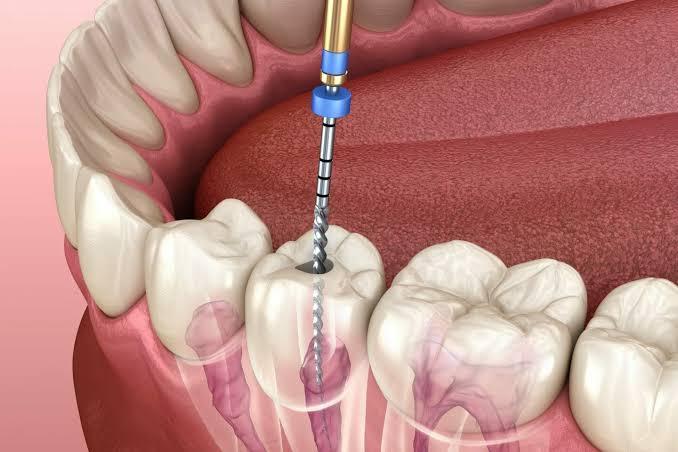
Tooth pain can become a serious problem when an infection reaches the inner part of a tooth. What may initially feel like mild sensitivity can gradually develop into persistent discomfort, swelling, or difficulty chewing. In such situations, Professional Root Canal Treatment in Lahore can help remove infected tissue, protect the remaining natural tooth structure, and restore normal dental function. Understanding this treatment allows patients to make informed decisions before a minor dental issue becomes more complicated.
At Dental Club, patients can learn about different approaches to treating damaged or infected teeth through proper dental examination and personalized treatment planning. Root canal therapy is designed to address infection inside the tooth while preserving the natural tooth whenever possible. Rather than immediately removing an affected tooth, a dentist may recommend this procedure depending on the condition of the tooth and surrounding tissues.
What Is Professional Root Canal Treatment?
Root canal treatment is a dental procedure used to treat infection or inflammation inside the pulp of a tooth. Dental pulp is the soft tissue containing nerves and blood vessels within the tooth. Deep cavities, cracks, repeated dental procedures, and dental injuries can allow bacteria to reach this area.
When the pulp becomes infected or severely damaged, the dentist may recommend root canal therapy. During the procedure, the infected or damaged pulp is removed, the internal canals are cleaned and disinfected, and the space is filled with a suitable dental material.
The treated tooth is then restored with an appropriate filling or dental crown, depending on how much natural tooth structure remains.
The primary purpose is not simply to eliminate pain. It is also to preserve the natural tooth and help prevent the infection from spreading into surrounding tissues.
Why Do Patients Need Root Canal Treatment?
Not every toothache requires a root canal. However, certain dental conditions can damage the pulp and make this treatment necessary.
Some common reasons include:
1. Deep Tooth Decay
When untreated cavities become deeper, bacteria can reach the pulp. This may cause inflammation, infection, and persistent toothache.
2. Cracked or Broken Teeth
A crack or fracture can create an entry point for bacteria. Depending on its depth and location, the damage may affect the internal pulp.
3. Persistent Tooth Sensitivity
Sensitivity to hot or cold foods that continues after the source of stimulation has been removed may indicate an underlying dental problem. A professional examination is needed to identify the cause.
4. Dental Abscess
An abscess is a collection of pus caused by bacterial infection. It may develop around the root of an infected tooth and cause swelling, discomfort, or a bad taste in the mouth.
5. Previous Dental Treatment
In some cases, a tooth that has undergone repeated dental procedures may develop pulp inflammation or infection and require further treatment.
Early diagnosis can help prevent additional damage and improve the chances of preserving the natural tooth.
What Are the Common Signs That Indicate Root Canal Treatment May Be Needed?
Recognizing warning signs can help patients seek dental care before the condition becomes more complicated.
Common symptoms include:
· Severe or continuous toothache.
· Pain while chewing or biting.
· Prolonged sensitivity to hot and cold temperatures.
· Swelling around the affected tooth.
· Tenderness in the surrounding gums.
· A small pimple-like swelling on the gums.
· Darkening or discoloration of a tooth.
· Pain that sometimes appears without an obvious trigger.
It is important to understand that some infected teeth may not cause noticeable pain. Therefore, the absence of severe symptoms does not always mean that the tooth is healthy.
A dentist may use clinical examination and dental X-rays to evaluate the condition of the tooth and determine whether root canal treatment is appropriate.
How Does Professional Root Canal Treatment in Lahore Work?
Many patients feel nervous when they hear the words root canal. However, modern dental techniques and local anesthesia can make the procedure much more comfortable.
Here is how the treatment generally progresses.
1. Initial Dental Examination
The dentist begins by reviewing the patient's symptoms and examining the affected tooth. Dental X-rays may be taken to understand the root structure, identify infection, and assess the surrounding bone.
2. Local Anesthesia
Local anesthesia is administered to numb the affected area. This helps minimize discomfort during the procedure.
3. Accessing the Infected Pulp
A small opening is created in the crown of the tooth to reach the pulp chamber and root canals.
4. Removing Damaged Tissue
The infected or inflamed pulp tissue is carefully removed using specialized dental instruments.
5. Cleaning and Disinfecting the Canals
The internal canals are cleaned, shaped, and disinfected to reduce bacteria and remove remaining infected material.
6. Filling the Root Canals
Once the canals have been properly prepared, they are filled with a suitable biocompatible material to seal the internal space.
7. Final Tooth Restoration
The access opening is sealed with a dental filling. Depending on the tooth's condition, a dental crown may be recommended to provide additional protection and strength.
The number of appointments depends on the complexity of the case, the severity of infection, and the patient's individual dental condition.
Is Painless Root Canal Treatment in Lahore Possible?
One of the biggest concerns patients have is whether root canal therapy will hurt. Modern root canal procedures are generally performed using local anesthesia, which numbs the affected tooth and surrounding area.
Most patients experience pressure or movement during treatment rather than sharp pain. Some tenderness may occur after the procedure, particularly if the surrounding tissues were already inflamed.
The level of comfort depends on several factors, including:
· The severity of the infection.
· The condition of the surrounding tissues.
· The complexity of the root canal anatomy.
· The patient's individual pain sensitivity.
· The effectiveness of local anesthesia.
If you experience discomfort during treatment, inform your dentist so that appropriate adjustments can be made.
What Is the Difference Between Professional RCT Treatment and Tooth Extraction?
Patients sometimes wonder whether an infected tooth should be treated or removed. The appropriate decision depends on the amount of remaining healthy tooth structure and the overall condition of the tooth.
Root canal treatment focuses on removing infection from inside the tooth while preserving its natural structure. Tooth extraction, on the other hand, involves removing the entire tooth from its socket.
Preserving a natural tooth can help maintain normal chewing function and prevent changes in the position of neighboring teeth.
However, extraction may be necessary when a tooth is severely fractured, cannot be restored, or has extensive damage.
A qualified dentist can explain the benefits, limitations, and expected outcomes of both options.
How Long Does Root Canal Treatment Take?
The duration of root canal treatment varies according to the tooth being treated and the complexity of the infection.
For example, front teeth generally have fewer canals than molars, which often have more complex root structures.
Some straightforward cases may be completed in a single appointment. Others may require multiple visits, especially when there is significant infection or additional treatment is needed.
The dentist will assess the condition of the tooth before recommending a suitable treatment schedule.
Single-visit root canal treatment may be appropriate in selected cases, but it is not the best option for every patient.
Why Is Choosing the Right Root Canal Specialist Important?
Root canal therapy requires careful diagnosis, attention to internal tooth anatomy, and proper cleaning and sealing of the root canals.
Choosing a suitable dental professional can help patients receive treatment based on their actual dental needs.
When selecting a dentist in Lahore, consider the following factors:
Clinical Experience: Look for a dentist with appropriate training and experience in diagnosing and treating root canal problems.
Diagnostic Facilities: Proper dental examination and suitable X-ray facilities can help identify the extent of infection.
Treatment Planning: A good dentist should explain the procedure, available options, and expected restoration requirements.
Sterilization Standards: Appropriate infection-control practices are essential during dental procedures.
Follow-Up Care: Post-treatment instructions and follow-up examinations help monitor healing and the condition of the restored tooth.
At Dental Club, patients can discuss their dental concerns and explore suitable treatment options following a professional examination.
What Is the Cost of Root Canal Treatment in Lahore?
The cost of root canal treatment in Lahore can vary depending on the complexity of the case and the type of tooth involved.
Several factors may influence the overall treatment cost:
· Whether the affected tooth is a front tooth, premolar, or molar.
· The number and shape of root canals.
· The severity of infection.
· Whether additional diagnostic procedures are required.
· The type of final dental restoration.
· Whether a dental crown is recommended.
Patients should ask for a complete treatment estimate before starting the procedure. It is also helpful to confirm whether the quoted cost includes the final filling, crown, and any necessary follow-up appointments.
Affordable Root Canal Treatment in Lahore should involve appropriate diagnosis, suitable materials, and proper clinical care rather than simply choosing the lowest available price.
How Can You Protect Your Tooth After Root Canal Treatment?
Completing the root canal procedure is an important step, but proper aftercare is equally necessary.
Patients can support their oral health by following a few simple practices:
1. Avoid chewing hard foods on the treated tooth until the dentist confirms that it is safe.
2. Follow the dentist's instructions regarding temporary or permanent restorations.
3. Brush twice daily using fluoride toothpaste.
4. Clean between teeth with floss or another recommended interdental cleaning tool.
5. Attend follow-up appointments when advised.
6. Avoid biting hard objects such as ice, pens, or hard shells.
7. Contact your dentist if pain, swelling, or discomfort becomes worse.
A properly restored root canal-treated tooth can continue functioning for many years. However, its long-term condition depends on the quality of treatment, the final restoration, and ongoing oral hygiene.
Why Consider Dental Club for Root Canal Treatment in Lahore?
Finding a dental clinic that understands patient concerns and provides appropriate treatment information can make the dental care experience easier.
Dental Club provides patients with an opportunity to discuss tooth pain, infection, and other dental concerns with a dental professional.
Before recommending root canal therapy, the condition of the affected tooth should be assessed through an appropriate examination. The treatment plan can then be developed according to the patient's dental requirements.
Patients can discuss:
· The cause of their tooth pain.
· Whether root canal treatment is necessary.
· Available treatment approaches.
· The possibility of preserving the natural tooth.
· Whether a crown or another restoration is required.
· Expected treatment duration and costs.
The goal of proper dental treatment is to address the underlying problem while maintaining oral health and natural tooth function whenever possible.
Conclusion
Tooth infections should never be ignored, even when the discomfort appears manageable. Early diagnosis and appropriate dental treatment can help prevent complications and protect natural teeth.
Professional Root Canal Treatment in Lahore offers a way to remove infected pulp, clean the internal root canals, and restore a damaged tooth without necessarily extracting it. The procedure, however, must be planned according to the tooth's condition and the patient's individual needs.
If you are experiencing persistent toothache, sensitivity, swelling, or discomfort while chewing, consider arranging a dental examination at Dental Club. A professional assessment can help determine the cause of the problem and identify the most appropriate treatment for maintaining a healthy smile.
Frequently Asked Questions (FAQs)
1. What is Professional Root Canal Treatment in Lahore?
Professional root canal treatment is a dental procedure used to remove infected or damaged pulp from inside a tooth. The canals are cleaned, disinfected, and sealed to help preserve the natural tooth.
2. Is root canal treatment painful?
Root canal treatment is generally performed under local anesthesia to minimize discomfort. Some tenderness may occur after the procedure, but it usually improves during recovery.
3. How many appointments are required for root canal treatment?
Some cases can be completed in one appointment, while others require multiple visits. The number depends on the tooth's anatomy, infection severity, and treatment complexity.
4. Can an infected tooth be saved with root canal treatment?
Many infected teeth can be preserved through root canal therapy if enough healthy tooth structure remains. A dental examination is necessary to determine whether the tooth can be restored.
5. Is a dental crown necessary after root canal treatment?
A dental crown is often recommended for molars and teeth with significant structural damage. The need for a crown depends on the tooth's location and remaining structure.
6. What are the warning signs of an infected tooth?
Common signs include persistent toothache, prolonged sensitivity, swelling, pain while chewing, gum tenderness, and tooth discoloration. Some infections may also develop without noticeable pain.
7. What is the difference between RCT and tooth extraction?
RCT removes infected tissue from inside the tooth while preserving its natural structure. Extraction removes the entire tooth. The dentist recommends an option based on the tooth's condition.
8. How long does a root canal-treated tooth last?
A root canal-treated tooth can last for many years with proper restoration and oral hygiene. Regular dental checkups and avoiding excessive pressure on the tooth can help protect it.
9. Can root canal treatment be completed in one visit?
Yes, selected cases can be completed in a single visit. However, complicated infections and certain tooth conditions may require additional appointments.
10. When should I visit a dentist for root canal treatment?
You should arrange a dental examination if you experience persistent tooth pain, prolonged temperature sensitivity, swelling, or pain while biting. Severe swelling or fever with a dental infection requires urgent professional assessment.
- Managerial Effectiveness!
- Future and Predictions
- Motivatinal / Inspiring
- Fitness and Wellness
- Medical & Health
- Manufacturing
- Education
- Real-Estate
- Food Industry
- Hospitality
- Online Games
- Sports
- Home Services
- Civil Engineering
- Safety and Protection
- Software Products & Services
- Fashion and Jewellery
- Artificial Intelligence
- Entrepreneurship
- Mentoring & Guidance
- Marketing
- Networking
- HR & Recruiting
- Literature
- Shopping
- Career Management & Advancement