

 SkillClick
How Muck Away Services Leeds Support Efficient Construction Projects
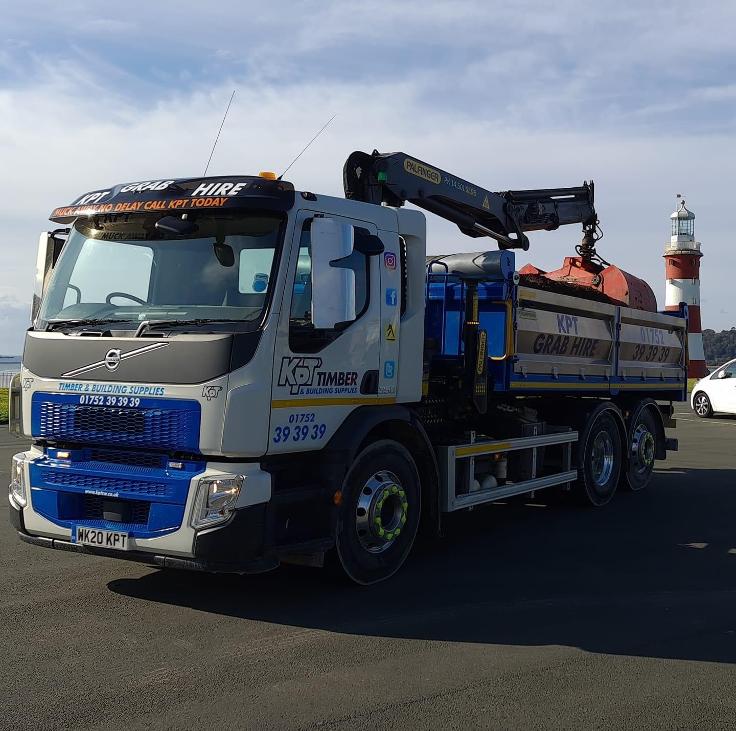
Construction projects involve many different activities, from excavation and groundwork to building, renovation, and final site preparation. One important aspect that often determines how smoothly a project progresses is effective waste management. Construction sites generate large quantities of waste materials, including soil, rubble, concrete, bricks, stones, and other unwanted debris.
If these materials are not removed efficiently, they can create unnecessary obstacles, delay important tasks, and affect overall productivity. Professional muck away services provide a practical solution by helping construction teams maintain clean, organised, and accessible working environments.
Understanding the Importance of Muck Away Services
Muck away refers to the removal and transportation of excavated soil, construction waste, and other unwanted materials from building sites. During groundwork and excavation, large amounts of earth and debris are produced that must be cleared before the next stage of construction can begin.
Professional muck away services Leeds help contractors manage this process without having to organise multiple waste removal arrangements themselves. Experienced providers use suitable vehicles and equipment to collect materials, transport them safely, and arrange appropriate disposal or recycling.
Having a reliable waste removal process allows construction teams to concentrate on their primary responsibilities while keeping projects moving according to schedule.
Keeping Construction Sites Clean and Organised
A clean construction site is essential for maintaining productivity. Piles of soil, broken bricks, concrete, and other waste materials can quickly occupy valuable working space. This makes it difficult for workers and machinery to move around safely.
Regular waste removal prevents unnecessary accumulation and ensures that important areas remain accessible. Clear working spaces also make it easier for contractors to organise equipment, store materials, and complete different construction activities.
An organised site creates a more professional working environment and reduces the possibility of accidents caused by scattered debris or obstructed pathways.
Reducing Construction Project Delays
Time management is one of the biggest challenges in construction. Projects often operate according to carefully planned schedules, where delays in one activity can affect several following stages.
For example, excavation work may need to be completed before foundations can be installed. If unwanted soil and rubble remain on the site, foundation contractors may be unable to begin their work as planned.
Reliable waste removal helps prevent these problems by clearing excavated materials promptly. Contractors can arrange collections according to their project requirements, ensuring that waste does not become an unnecessary obstacle.
Efficient clearance also reduces the time workers spend moving materials manually or finding temporary storage areas.
Improving Workplace Safety
Construction environments naturally involve various hazards, and accumulated waste can increase the risks. Loose bricks, sharp materials, uneven piles of soil, and scattered rubble can create dangerous conditions for workers and visitors.
Removing waste regularly helps reduce these hazards and supports better site safety management.
Clear access routes allow workers to move equipment more easily, while organised storage and disposal areas reduce confusion. Construction managers can also maintain better visibility across the site when unwanted materials are removed promptly.
Professional waste removal providers understand the importance of handling and transporting materials responsibly. Their equipment and operating procedures help support safer waste collection activities.
Supporting Excavation and Groundwork Operations
Excavation is an essential part of many construction projects. Whether contractors are preparing foundations, installing drainage systems, landscaping outdoor areas, or creating access routes, excavation usually produces significant quantities of unwanted material.
Without an effective removal arrangement, excavated soil can occupy areas required for additional groundwork.
Professional muck away providers help contractors manage these materials efficiently. Suitable grab lorries and tipper vehicles can collect and transport large quantities of waste, depending on site access, material type, and project requirements.
This makes it easier to maintain a consistent workflow and prepare the ground for subsequent construction activities.
Saving Time and Labour Costs
Managing construction waste internally can require considerable time, labour, and equipment. Workers may need to load materials manually, arrange transportation, and coordinate disposal facilities.
These responsibilities can distract employees from their main construction duties.
Using professional removal services helps reduce the workload associated with waste management. Specialist vehicles and experienced operators can handle larger quantities of materials efficiently, reducing unnecessary manual handling.
Although service costs depend on the quantity and type of waste, collection requirements, and site conditions, outsourcing this responsibility can offer better overall value by improving operational efficiency.
Encouraging Responsible Waste Management
Environmental responsibility is becoming increasingly important throughout the construction industry. Construction activities produce substantial amounts of waste, making responsible disposal and recycling essential.
Many excavated and construction materials can be reused or recycled rather than sent directly to landfill. Depending on their condition and composition, materials such as soil, concrete, bricks, and certain aggregates may have further uses.
Professional waste management providers can help contractors identify suitable disposal and recycling routes. They should also follow relevant environmental regulations and ensure that waste is transported to authorised facilities.
Choosing responsible disposal methods helps reduce unnecessary landfill use and supports more sustainable construction practices.
Handling Different Types of Construction Waste
Every construction project produces different types of waste, and each material may require a specific handling approach.
Common materials removed from construction sites include:
Excavated soil: Unwanted earth produced during foundation and groundwork operations.
Concrete and rubble: Broken concrete, masonry, and other demolition materials.
Bricks and stones: Leftover building materials and damaged masonry.
Mixed construction waste: Suitable non-hazardous materials generated during renovation and building activities.
Green waste: Soil, branches, roots, and vegetation from landscaping projects.
Understanding the type and quantity of waste helps contractors arrange appropriate vehicles and collection schedules. Hazardous materials require separate specialist handling and should not be mixed with ordinary construction waste.
Choosing a Reliable Muck Away Provider
Selecting the right waste removal company can make a significant difference to construction project efficiency. Contractors should consider several factors before arranging a service.
Experience is important because established providers are more likely to understand the practical challenges of different construction environments. Suitable vehicles, reliable scheduling, transparent pricing, and responsible disposal arrangements should also be considered.
It is equally important to confirm that the provider has the necessary waste carrier registration and uses authorised disposal facilities.
Good communication between contractors and waste removal teams helps ensure collections happen at appropriate times. Discussing site access, material quantities, and project schedules in advance can prevent avoidable complications.
How MLJ Grab Hire Supports Construction Projects
MLJ Grab Hire (mljgrabhire) provides grab hire and waste removal solutions designed to support construction, excavation, and groundwork activities. Having access to suitable waste collection services helps contractors manage unwanted materials while keeping their sites organised and productive.
Whether a project involves removing excavated soil, clearing construction debris, or preparing an area for further development, reliable collection arrangements can make the process more straightforward. Working with an experienced provider can help businesses reduce waste management pressures and maintain better control over their construction schedules.
Conclusion
Efficient waste management plays an important role in successful construction projects. From maintaining clean working environments to supporting excavation, improving safety, and reducing delays, professional removal services offer several practical advantages. By arranging reliable muck away services in Leeds, contractors can ensure that unwanted materials are handled responsibly and removed at the right time.
Choosing an experienced provider, planning collections carefully, and prioritising responsible disposal can improve productivity throughout the construction process. Ultimately, effective waste removal helps construction teams focus on completing projects safely, efficiently, and within their planned schedules.
- Managerial Effectiveness!
- Future and Predictions
- Motivatinal / Inspiring
- Fitness and Wellness
- Medical & Health
- Manufacturing
- Education
- Real-Estate
- Food Industry
- Hospitality
- Online Games
- Sports
- Home Services
- Civil Engineering
- Safety and Protection
- Software Products & Services
- Fashion and Jewellery
- Artificial Intelligence
- Entrepreneurship
- Mentoring & Guidance
- Marketing
- Networking
- HR & Recruiting
- Literature
- Shopping
- Career Management & Advancement