

 SkillClick
How to Build a Long-Term Career Through an MR Job in the Pharma Industry?
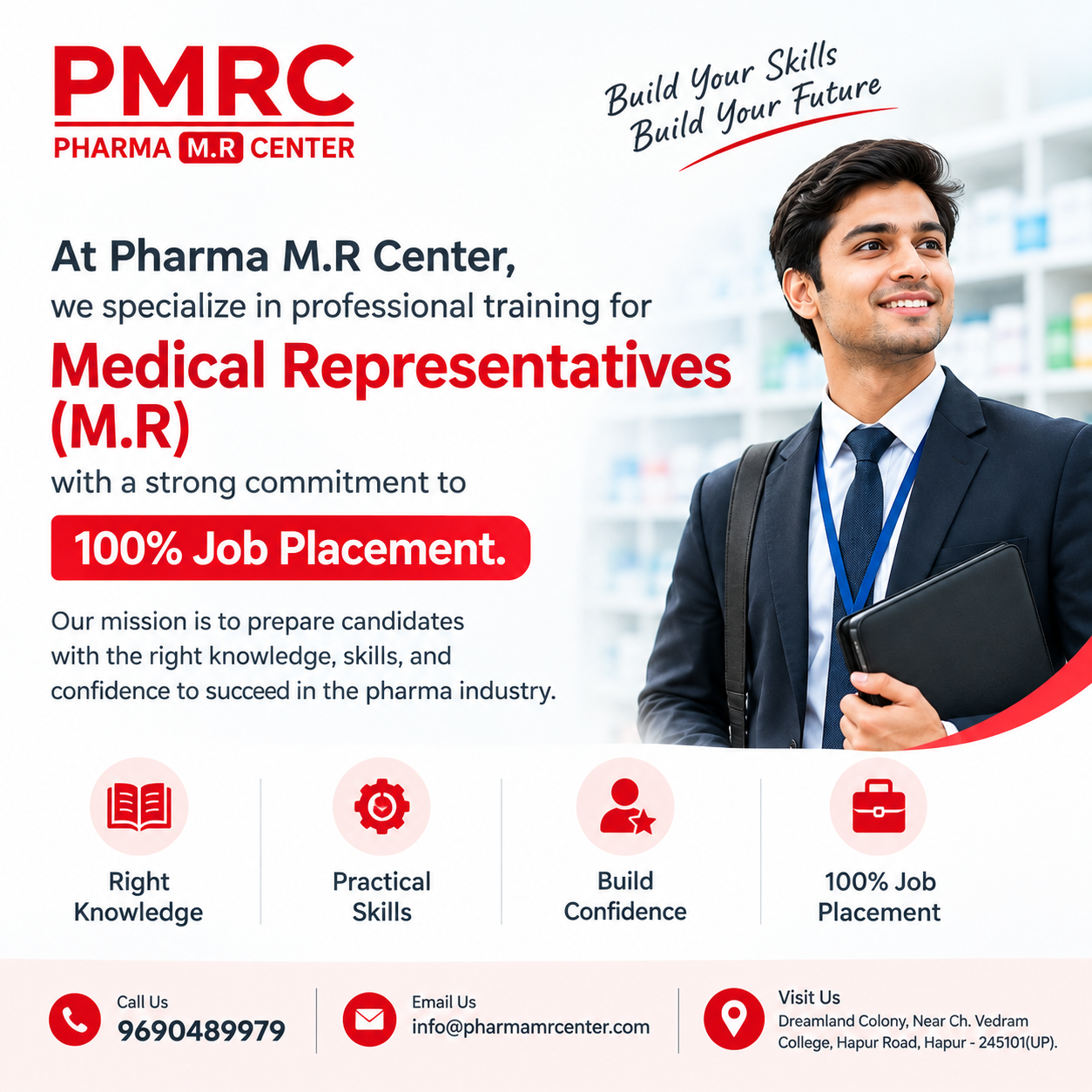
Choosing a career is one thing, but knowing how to grow in that career is equally important. Many graduates enter the pharmaceutical industry looking for their first opportunity, and a Medical Representative (MR) position can provide a starting point for learning about sales, product communication and the healthcare market.
An MR's work involves regular interaction with doctors and other healthcare professionals, explaining approved product information, understanding market conditions and maintaining professional relationships. These responsibilities help employees gain practical experience that may become useful when exploring future opportunities in the pharmaceutical sector.
However, long-term growth does not happen simply by completing a few years in the same position. It requires continuous learning, good work habits and the ability to take on new responsibilities.
If you are considering a Medical Representative Job MR Job, it is helpful to understand how to turn your first role into a longer professional journey. A suitable medical representative development course can help you prepare for the basics, while your attitude and performance at work will influence how you develop further.
1. Treat Your First MR Job as a Learning Opportunity
Your first medical representative job is an opportunity to understand how the pharmaceutical industry works outside the classroom. During the initial months, you may need to learn about company products, assigned customers, reporting procedures and territory expectations.
Do not focus only on completing daily visits. Pay attention to how the organisation operates and how experienced representatives manage their responsibilities.
Try to understand:
-
How the company organises its sales activities.
-
How product information is communicated.
-
How daily and monthly targets are planned.
-
How field reports are prepared.
-
How managers review performance.
-
How professional relationships are maintained.
These observations can help you understand the business side of pharmaceutical sales. The knowledge you gain during your first role can become a foundation for future career decisions.
2. Develop Knowledge Beyond Your Assigned Products
Product knowledge is essential for a medical representative, but long-term professional development also requires a broader understanding of the industry.
Learn about the pharmaceutical market, different product categories and the way companies organise their sales operations. Understand basic terminology and become familiar with the approved information relevant to your responsibilities.
You can improve your knowledge by:
-
Reviewing company-approved product materials.
-
Attending internal product training sessions.
-
Asking experienced colleagues for clarification.
-
Keeping notes about important product information.
-
Following relevant industry developments through reliable sources.
Remember that medical representatives must communicate accurately and follow approved promotional guidelines. They should not make unsupported medical claims or provide independent treatment advice.
A representative who continues learning can become better prepared for changing responsibilities and new professional opportunities.
3. Make Communication One of Your Strongest Skills
Communication is not just about speaking confidently during a doctor visit. It also includes listening, understanding questions, presenting information clearly and responding professionally.
As you gain experience, you may interact with different healthcare professionals, distributors, managers and team members. Each interaction can require a slightly different communication approach.
Work on becoming someone who can explain information without unnecessary complexity. Learn to listen carefully before responding and avoid making commitments that are outside your authority.
Good communication can help you:
-
Present approved product information clearly.
-
Handle professional conversations respectfully.
-
Share market feedback with managers.
-
Participate effectively in team discussions.
-
Prepare for future responsibilities involving coordination.
These skills can remain useful even if you later move into another department or position within the pharmaceutical industry.
4. Understand Your Territory and the Market
A medical representative gradually becomes familiar with the area assigned by the company. This experience can help you understand customer requirements, travel patterns, market conditions and local business challenges.
Instead of treating territory visits as a routine task, learn from the information you collect.
For example, pay attention to product availability, customer feedback and the practical challenges of managing your assigned area. Record relevant information accurately and share it through the company's reporting process.
Good territory understanding can help you improve visit planning and make better use of your working time.
As you become more experienced, you may also be able to assist new team members in understanding territory-related responsibilities, depending on your company's policies.
5. Learn to Use Digital Tools in Your Daily Work
Technology has become an important part of many sales operations. Pharmaceutical companies may use mobile applications, CRM platforms, digital reporting systems and other tools to organise field activities.
Freshers should become comfortable using the systems provided by their employer.
Useful digital skills include:
-
Updating visit records.
-
Preparing digital reports.
-
Organising schedules.
-
Reviewing company communications.
-
Managing approved product information.
-
Using basic spreadsheet and presentation tools.
You do not need to become an expert in every software application. Start by learning the tools required for your current responsibilities.
Digital confidence can make everyday work more organised and may also be useful when applying for future roles that involve reporting or team coordination.
6. Build a Professional Reputation Through Consistency
Your reputation at work develops through everyday actions. Managers and colleagues notice whether you complete responsibilities on time, communicate honestly and follow company procedures.
Meeting expectations consistently is more valuable than making promises that you cannot fulfil.
Build habits such as:
-
Arriving on time for planned activities.
-
Maintaining accurate reports.
-
Following professional conduct guidelines.
-
Respecting healthcare professionals' schedules.
-
Communicating problems honestly.
-
Completing assigned work responsibly.
A good professional reputation can help create trust within your organisation. It may also support future opportunities when managers consider employees for additional responsibilities.
7. Learn How to Handle Changes and Difficult Situations
The pharmaceutical sales environment can change for different reasons. A territory may be reorganised, product priorities may change or company expectations may be updated.
Representatives also face everyday challenges such as unavailable customers, travel delays and demanding schedules.
Long-term career development requires the ability to adjust without losing focus.
When a problem occurs, first understand the situation. Discuss important issues with your manager, follow company procedures and consider what can be improved.
Avoid reacting emotionally to every difficult interaction. Instead, learn from the experience and make practical adjustments.
Being adaptable does not mean accepting unclear or unreasonable conditions without discussion. It means developing the ability to respond professionally while understanding your responsibilities.
8. Take Initiative and Prepare for Greater Responsibilities
Once you understand your current role, look for opportunities to develop additional skills.
For example, you may improve your reporting abilities, become more familiar with territory planning or help a new colleague understand basic work procedures.
Taking initiative should always remain within your role and company guidelines.
You can also discuss your career interests with your manager. Ask what skills and experience are generally expected for higher positions in your organisation.
This conversation can help you understand whether you need additional training, stronger performance or experience in a particular area.
Do not assume that promotion will happen automatically after a fixed number of years. Career progression depends on the organisation, available positions, performance and individual suitability.
9. Explore Different Career Directions in the Pharma Industry
A Medical Representative Job can provide experience that may be relevant to other positions in pharmaceutical sales and marketing.
Depending on the company structure, qualifications and experience, possible career directions may include:
Senior Medical Representative: Experienced employees may take on additional responsibilities within their assigned territory.
Area Sales Manager: This position may involve supervising representatives and coordinating sales activities across an area.
Regional Sales Manager: Some organisations have regional management roles that involve wider business and team responsibilities.
Sales Training: Representatives with strong product knowledge and communication abilities may explore training-related responsibilities where suitable opportunities exist.
Marketing and Product Coordination: Additional experience and relevant skills may help candidates explore product marketing or sales coordination roles.
These are possible career paths, not guaranteed promotions. Each employer has its own requirements for experience, qualifications and performance.
10. How a Medical Representative Development Course Can Support Career Preparation
Freshers often need help understanding the practical expectations of pharmaceutical sales before entering the workplace.
A medical representative development course can introduce candidates to the basic knowledge and professional skills associated with the MR role.
Depending on the training programme, it may cover:
-
Introduction to the pharmaceutical industry.
-
Medical representative responsibilities.
-
Basic pharmaceutical terminology.
-
Product knowledge and presentation.
-
Communication and personality development.
-
Interview preparation.
-
Professional behaviour.
-
Fieldwork and time management.
Practical activities, such as mock interviews and presentation exercises, can help candidates become more familiar with common workplace situations.
When choosing a course, check its syllabus, training method, duration and fees. Ask what practical activities are included and whether placement assistance is available.
Training can support preparation, but it cannot guarantee a job, promotion or a particular salary. Actual career growth depends on your performance, experience and employer requirements.
11. Maintain a Healthy Approach to Work and Personal Development
A long-term career should be sustainable. Medical representatives may spend considerable time travelling, meeting customers and completing reports. Managing these responsibilities alongside personal commitments is important.
Organise your schedule, allow time for proper rest and avoid leaving all reporting tasks until the last minute.
If workload or travel expectations become difficult to manage, discuss the situation through the appropriate company channels.
You should also continue developing skills outside your daily responsibilities. Learning basic computer applications, improving presentation abilities and understanding sales management can help you prepare for future opportunities.
12. Create Your Own Career Growth Plan
A simple career plan can help you understand what to focus on at different stages.
At the beginning of your career:
-
Understand your products and company policies.
-
Improve communication and presentation skills.
-
Learn the assigned territory.
-
Become comfortable with reporting and fieldwork.
After gaining practical experience:
-
Strengthen product and market knowledge.
-
Improve planning and time management.
-
Take feedback seriously.
-
Learn from experienced colleagues.
When preparing for future roles:
-
Develop leadership and coordination skills.
-
Understand the requirements of higher positions.
-
Explore relevant professional training.
-
Discuss career goals with your manager.
Review your progress periodically. You may discover that your interests change as you gain experience, and your career plan can change with them.
Conclusion
A medical representative position can be more than a first job in the pharmaceutical industry. It can help you develop product knowledge, communication abilities, market understanding and professional discipline. These skills may become useful when exploring future responsibilities within pharmaceutical sales and marketing.
For freshers, a medical representative development course can provide a starting point for understanding the industry and preparing for interviews. After joining, consistent performance, practical learning and a willingness to improve become important parts of career development.
If you are planning to start a Medical Representative Job MR Job, think about the skills you want to build over the next few years rather than focusing only on getting selected. A clear understanding of the medical representative job, combined with practical experience and professional commitment, can help you work towards a more rewarding future in the pharma industry.
- Managerial Effectiveness!
- Future and Predictions
- Motivatinal / Inspiring
- Fitness and Wellness
- Medical & Health
- Manufacturing
- Educação
- Real-Estate
- Food Industry
- Hospitality
- Online Games
- Sports
- Home Services
- Civil Engineering
- Safety and Protection
- Software Products & Services
- Fashion and Jewellery
- Artificial Intelligence
- Entrepreneurship
- Mentoring & Guidance
- Marketing
- Networking
- HR & Recruiting
- Literature
- Shopping
- Career Management & Advancement