

 SkillClick
Why Do Shower Glass Doors Develop Stains and How Can They Be Prevented?
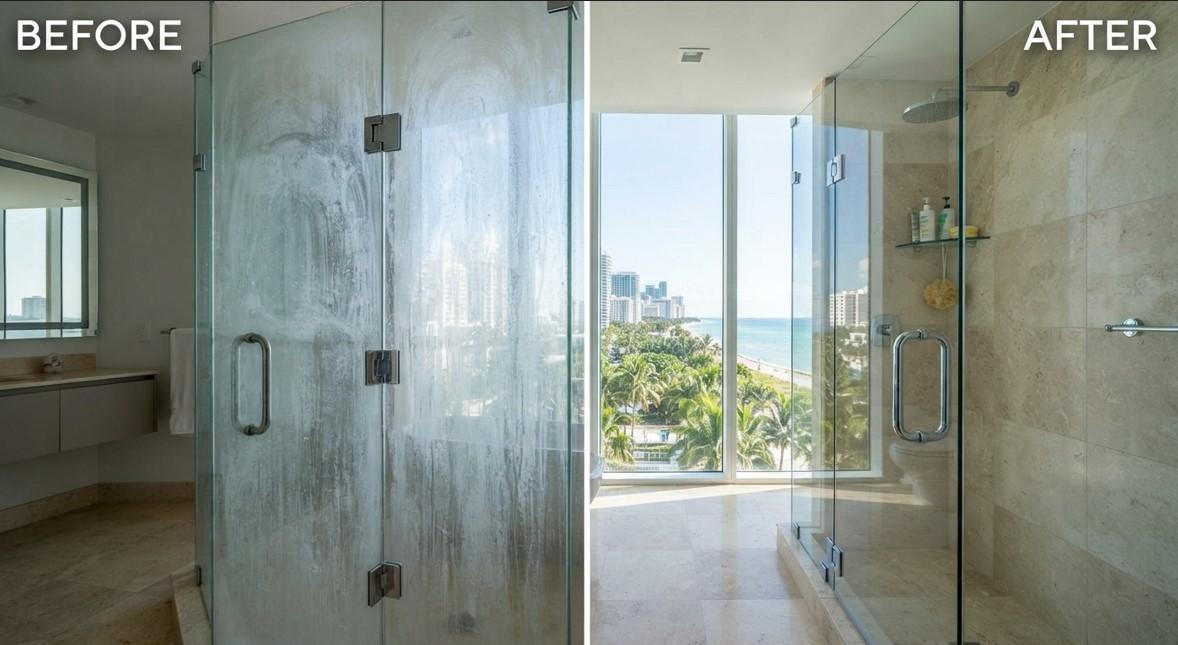
Glass shower doors can make a bathroom feel open, bright, and spacious. Their transparent surfaces allow natural and artificial light to move through the room while creating a clean, modern appearance. However, regular contact with water, soap, and personal care products can gradually affect the clarity of the glass. Spots, cloudy patches, and mineral deposits may become noticeable even when the bathroom is cleaned frequently.
Regular shower glass maintenance and suitable bathroom cleaning methods can help reduce these problems. The type of water, cleaning routine, ventilation, and glass surface all influence how quickly stains develop. Knowing what causes these marks makes it easier to choose appropriate cleaning methods and protect the appearance of shower doors.
What Causes Marks on Shower Glass?
Shower glass is exposed to several substances during everyday use. Water droplets, soap residue, shampoo, body wash, and minerals can remain on the surface after bathing. When these materials are not removed regularly, they may create visible deposits.
Different types of stains require different cleaning approaches. A light soap film may respond to ordinary cleaning, while mineral deposits can require more attention. Identifying the source of a mark before selecting a product helps avoid unnecessary scrubbing or damage.
Mineral Deposits From Water
Water naturally contains dissolved minerals. When droplets dry on glass, some of these minerals can remain behind and create white spots or cloudy areas.
Hard water contains higher concentrations of minerals such as calcium and magnesium. Repeated exposure can cause deposits to build up, particularly around the lower sections of shower doors and areas where water collects.
These marks may become more difficult to remove when they remain on the glass for long periods.
Soap and Shampoo Residue
Soap, shampoo, conditioner, and body wash can leave a thin film on shower surfaces. This residue may combine with minerals in the water and form a cloudy layer.
Unlike individual water spots, soap buildup can cover larger sections of glass. It may also collect around handles, edges, and areas that receive frequent splashes.
Regular rinsing and cleaning can help prevent the residue from becoming thick.
Moisture and Poor Air Circulation
Bathrooms with limited airflow may remain damp long after a shower. Although moisture alone does not always create mineral stains, it can contribute to the conditions that allow residue and other deposits to remain on surfaces.
Poor ventilation may also encourage mold and mildew growth around seals, corners, and other areas where moisture collects.
An effective cleaning routine should therefore include attention to airflow as well as the glass itself.
How Can Shower Glass Be Cleaned Safely?
Cleaning methods should match the type of buildup and the manufacturer's recommendations for the glass and its coating. Using an unsuitable chemical or abrasive material may leave scratches, dull the surface, or affect protective treatments.
Start With a Gentle Cleaning Method
For light dirt and fresh soap residue, a soft microfiber cloth and a suitable glass-safe cleaner may be sufficient.
Apply the product according to its instructions and avoid allowing cleaning solutions to dry on the glass. Rinse the surface when required and remove remaining moisture with a clean cloth or squeegee.
Gentle cleaning is generally preferable to aggressive scrubbing, especially when the glass has a protective coating.
Avoid Abrasive Tools
Steel wool, rough scouring pads, and abrasive powders can damage certain glass finishes. Scratches may become visible under bathroom lighting and can make the surface more difficult to maintain.
Soft microfiber cloths, non-abrasive sponges, and tools designed for glass surfaces are safer options for routine care.
If a deposit does not respond to gentle cleaning, it is better to identify the stain type rather than increase scrubbing pressure.
Follow Product Instructions
Cleaning products vary in their ingredients and intended uses. Some are designed for ordinary glass, while others are formulated for mineral deposits or soap residue.
Read the label before applying any product. Check whether it is suitable for shower glass, protective coatings, metal hardware, and nearby sealants.
Never mix household cleaning chemicals. Combining products can create dangerous reactions, even when each product is normally used for bathroom cleaning.
Develop a Routine to Reduce Water Spots
Preventive care can reduce the amount of time needed for deeper cleaning. Small actions after each shower help limit the accumulation of minerals and soap residue.
Remove Water From the Glass
A shower squeegee can remove much of the water remaining on the surface. Moving it across the glass after bathing helps reduce the number of droplets left to dry naturally.
Pay attention to lower corners and edges, where water may collect. A clean microfiber towel can be used to dry areas that the squeegee cannot easily reach.
Rinse Away Personal Care Products
Soap and shampoo residue can remain on the glass after a shower. Rinsing the doors with clean water helps remove some of this material before it dries.
This simple step is particularly useful in households where several people use the same shower throughout the day.
Keep Bathroom Air Moving
An exhaust fan can help remove humid air after bathing. If the bathroom has a suitable window, opening it when outdoor conditions allow may provide additional ventilation.
The goal is to reduce the time that moisture remains in the room. Ventilation can also support the condition of surrounding surfaces, including walls, ceilings, and sealants.
Understand the Role of Glass Protection
Some shower doors have factory-applied protective treatments, while others may be treated after installation. These products are designed to change how water interacts with the glass surface.
Hydrophobic treatments encourage water to form droplets and move more easily across the surface. This may reduce the amount of water that remains attached to the glass, although results depend on the product, installation quality, and maintenance routine.
Protective coatings do not make glass completely resistant to staining. Soap residue, minerals, and other deposits can still accumulate if the surface is not cleaned regularly.
Check Whether the Glass Already Has a Coating
Before applying a new treatment, check the shower door documentation or ask the manufacturer about its existing finish. Some cleaning products and coatings may not be compatible with every glass treatment.
Applying an additional product without checking compatibility could affect the original finish or produce uneven results.
Apply Treatments According to Their Instructions
Protective products may require a clean, dry surface before application. Some also have specific curing periods or restrictions on when the shower can be used again.
Following the manufacturer's directions is essential. Poor preparation or incorrect application may reduce the effectiveness of the treatment.
How Can a Shower Glass Stain Remover in Miami, FL Help With Mineral Buildup?
Choosing a suitable shower glass stain remover in Miami, FL depends on the type and severity of the deposits. Some products are intended for light soap residue, while others are formulated to address mineral buildup left by hard water. The correct choice should be compatible with the glass surface and any protective coating already present.
Before treating the entire door, follow the product instructions and test it on a small, less noticeable area if the manufacturer recommends doing so. Avoid combining different cleaners or using rough tools to force stubborn deposits away. If the glass remains cloudy after appropriate cleaning, professional assessment may help determine whether the issue is surface buildup or permanent surface damage.
Which Cleaning Habits Help Maintain Clear Glass?
A consistent schedule is often more effective than waiting until stains become difficult to remove. Cleaning frequency can depend on how often the shower is used, the water quality, and the amount of ventilation available.
Perform Light Cleaning Regularly
Removing fresh water spots and soap residue is generally easier than dealing with deposits that have accumulated over several weeks.
A quick rinse, squeegee, and microfiber wipe can form part of the regular bathroom routine. These steps do not require intensive cleaning products and can help maintain the appearance of the glass.
Inspect Corners and Door Edges
The edges of shower doors can collect residue because water and cleaning products often remain in these areas.
Check around hinges, handles, seals, and bottom tracks. Clean these sections with suitable tools and products, taking care not to damage metal finishes or flexible seals.
Maintain the Shower Hardware
Handles, hinges, tracks, and seals also need regular care. Mineral deposits can collect around metal components, while dirt may accumulate in sliding-door tracks.
Use cleaning products that are suitable for each material. Glass cleaners should not automatically be used on every metal or rubber component.
When Should Stubborn Stains Receive Professional Attention?
Some stains remain visible even after suitable cleaning. This may happen when mineral deposits have accumulated for a long time or when the glass surface has been affected by scratches or chemical damage.
A professional assessment can help distinguish removable residue from permanent surface changes. This is useful because repeated cleaning with stronger products may not solve the problem and could create additional damage.
If the glass has visible scratches, etched patches, or an uneven appearance, its condition should be evaluated before attempting further treatment.
Conclusion
Clear shower glass depends on regular care, suitable cleaning products, and effective moisture management. Removing fresh water droplets, rinsing away soap residue, and maintaining proper ventilation can help reduce visible buildup. By identifying the cause of stains and using compatible cleaning methods, homeowners can keep shower doors looking cleaner while protecting their surface.
- Managerial Effectiveness!
- Future and Predictions
- Motivatinal / Inspiring
- Fitness and Wellness
- Medical & Health
- Manufacturing
- Education
- Real-Estate
- Food Industry
- Hospitality
- Online Games
- Sports
- Home Services
- Civil Engineering
- Safety and Protection
- Software Products & Services
- Fashion and Jewellery
- Artificial Intelligence
- Entrepreneurship
- Mentoring & Guidance
- Marketing
- Networking
- HR & Recruiting
- Literature
- Shopping
- Career Management & Advancement