

 SkillClick
Steel Detailing Company in Pennsylvania: What to Look For Before You Sign a Contract
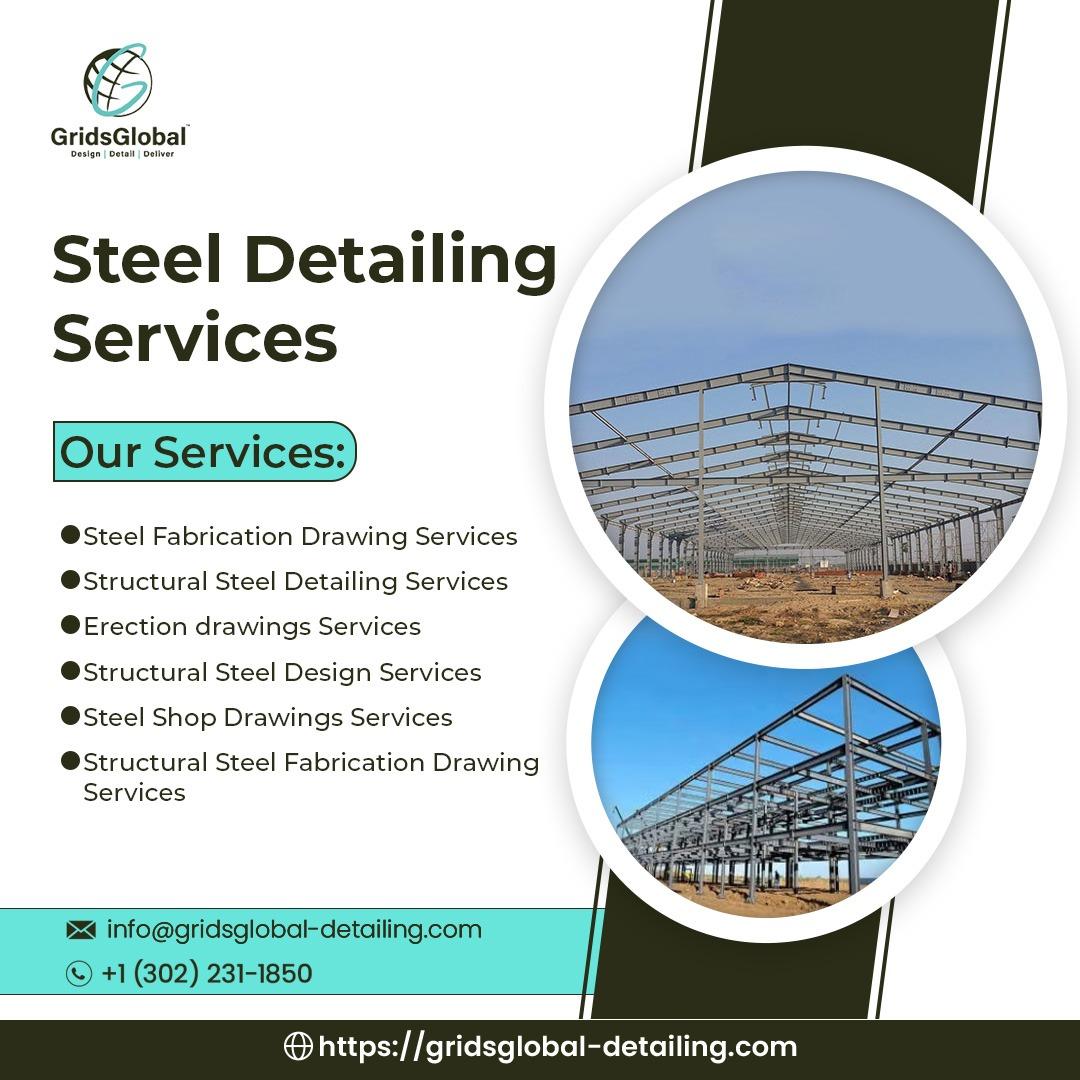
Accurate drawings and on-time delivery do not happen by accident. Learn how to vet a steel detailing company in Pennsylvania before you commit your next project.
Every fabricator has lived through a project that went sideways because a drawing set was thin on detail or late out of the gate. The shop floor stalls, crews stand around, and the schedule bleeds money. Avoiding that scenario starts long before steel hits the saw, with the partner you choose to turn design intent into fabrication-ready documentation. The right detailing team catches problems while they are still on a screen rather than in the yard, keeps everyone working from the same information, and gives you a schedule you can actually trust. Pennsylvania carries a heavy and varied construction load, from commercial work and industrial plants to warehouses and public infrastructure, and each of those project types places different demands on detailing. If you are hiring a steel detailing company in Pennsylvania for an upcoming package, the following criteria will help you separate a genuine partner from a vendor who simply bids low and hopes for the best.
Start With Their Body of Work
Ask what they have actually detailed, not what they say they can detail. A firm that has spent years in the trade has built up instincts that show in the drawings: they read structural sheets quickly, they recognize where fabricators tend to struggle, and they know how a connection detail translates on the shop floor. Request a portfolio that includes the kind of work you do, whether that means commercial buildings, industrial structures, warehouses, or more intricate frameworks. Then go a step further and ask for redacted sample sets from projects similar to yours. A company that hesitates to share its output is telling you something. A company that hands over clean, well-organized examples is telling you something too.
Look at the Tools They Actually Use
Detailing lives or dies on the modeling platform. Tekla Structures and SDS/2 have become the working standard for a reason: they support detailed three-dimensional modeling, generate drawings directly from the model, and make coordination between disciplines far more manageable. If a firm is working in outdated software or relying on manual drafting habits, the downstream risk lands on you. Ask which platform they use, how long they have used it, and whether they can deliver native model files along with PDF and DWG outputs. A capable team will also be able to walk you through how they resolve clashes inside the model before anything is released for fabrication. That single habit, catching interferences early, saves more money than almost any other part of the process.
Read the Drawings, Not Just the Portfolio
Shop drawings and erection drawings are the products you are actually buying, so treat them as the primary evidence. A strong shop drawing set gives the shop everything it needs without guesswork: dimensions that close, material callouts that match the specification, weld symbols applied correctly, bolt and connection information that is complete, and assembly notes that a fitter can follow without calling the office. Erection drawings should give the field crew a clear sequence and clear piece marks. When you review samples, look past the cover sheet and flip to a busy connection area. That is where weak detailing shows itself.
Ask How They Catch Mistakes
Nobody produces perfect drawings on the first pass at volume, and any firm claiming otherwise is either not checking or not being honest. What matters is the checking system. Ask what their internal review looks like, who performs it, and how many sets of eyes see a drawing before it leaves the building. Ask how they track revisions and how they reconcile a changed model against drawings that have already been issued. A company with a defined quality process can describe it plainly and consistently. Vague answers here are a warning sign, because quality control is the one area where cutting corners is invisible until it becomes expensive.
Confirm They Know the Codes
Detailing in Pennsylvania means working within American steel construction standards, and familiarity with AISC requirements is not optional. The team should be comfortable with structural steel terminology, welding symbols, bolting conventions, and the documentation practices that fabricators and engineers expect. That said, keep the boundaries clear. Detailers interpret and document approved design information. Structural engineering decisions and the final approval of connection designs belong to licensed professionals unless your contract explicitly places those services with the detailing firm. A good detailing partner understands this distinction and respects it, which is a mark of professionalism rather than a limitation.
See How They Communicate
Communication is where most detailing relationships succeed or fail. You need a partner who answers technical questions the same day, flags ambiguities instead of quietly assuming, and keeps a clean record of RFIs, submittals, revisions, and approval comments. Ask how they structure project communication, who your point of contact will be, and how they handle a question that comes up mid-review. Then pay attention to how they respond during the sales process itself. If the pre-contract communication is slow or disorganized, the project phase will not improve.
Compare Quotes Properly
Price matters, but the lowest number on a page tells you very little on its own. Compare proposals line by line and confirm what each one actually covers: three-dimensional modeling, shop drawings, erection drawings, material take-offs, connection detailing, and revision allowances all need to be spelled out. Ask how many revision rounds are included and what happens after those are used. Ask about turnaround times and whether they are committed or aspirational. A transparent quote with realistic dates is worth more than a bargain that leaves scope gaps you will pay to fill later.
Find Out If They Understand Your Shop
Detailing that ignores how a fabrication shop actually operates creates friction that shows up as rework. A partner who knows the realities of material preparation, cutting, drilling, welding, and assembly will sequence information in a way that suits your production flow, group pieces sensibly, and avoid details that look fine on paper but are awkward to build. During your conversations, ask how they approach piece marking and assembly grouping. Their answer will tell you quickly whether they have spent time around a shop floor or only around a computer screen.
Gauge Whether They Can Scale
Project size varies enormously, from a handful of miscellaneous steel sheets to a structural package with thousands of components. Before you commit, understand the team assigned to your work, their availability, and what happens if your scope expands or your schedule compresses. Ask about backup resources and how many active projects the firm typically runs at once. A partner with genuine capacity can absorb a surge without letting quality slip, and they will be upfront about their limits rather than overpromising to win the job.
Talk to Their Past Clients
References remain one of the most reliable signals available to you. Ask for contacts from projects comparable to yours and actually call them. Useful questions go beyond general satisfaction: Did drawings arrive on schedule? How were revisions handled? Did the detailer catch issues before they reached the shop? Would you hire them again? Request sample drawing sets and model excerpts alongside the references so you can judge the work directly rather than relying only on someone else's impression.
What All of This Adds Up To
Taken together, these criteria form a practical checklist. Industry experience, demonstrated through real structural steel projects, ensures the technical foundation is there. Software fluency in platforms such as Tekla and SDS/2 supports accurate modeling. Drawing quality across shop and erection sets is the clearest predictor of fabrication error rates. A defined quality control process with genuine internal checking improves accuracy over time. Adherence to AISC standards and project specifications supports compliance. Clear communication through structured RFIs and regular updates keeps coordination tight. Transparent pricing protects your budget, and realistic delivery timelines protect your schedule. Practical fabrication knowledge improves workflow on the floor, and sufficient project capacity supports larger packages without quality erosion.
Why the Relationship Matters Beyond the Drawings
Choosing a detailing partner is not a one-time purchase of drawing files. It is a working relationship that either strengthens your operation or quietly drains it. A dependable team improves accuracy, reduces coordination friction, limits rework, and helps you hit dates. For Pennsylvania fabricators juggling multiple jobs, an experienced partner also offers flexibility when a new package lands or an existing one grows. If you are sourcing comprehensive Structural Steel Detailing Services, prioritize a partner whose habits around precision and coordination match the standard your shop already holds itself to.
Final Word
Finding the right steel detailing company in Pennsylvania comes down to disciplined evaluation rather than a gut feeling or a low bid. Look closely at technical expertise, software capability, drawing quality, quality control, communication, and delivery history. Fabricators get the best results when they choose a partner who understands how their shop runs and what their clients expect. That partner will reduce errors, improve fabrication throughput, and help bring projects in cleanly. For specialized scopes, it also helps to understand what Structural Steel Connection Design Services involve so responsibilities are clear from the outset. And as you compare providers, note their experience across different regional markets, including demand for Structural Steel Detailing Services in Texas, which can indicate how well they adapt to varying project conditions and codes.
Corporate Contact Information
United States Operations
GRIDSGLOBAL STEEL DETAILING LLC
Address: 1207 Delaware Ave, Unit 2877, Wilmington, DE 19806
Phone: +1 (302) 231-1850
Email: info@gridsglobal-detailing.com
Website: https://gridsglobal-detailing.com/
- Managerial Effectiveness!
- Future and Predictions
- Motivatinal / Inspiring
- Fitness and Wellness
- Medical & Health
- Manufacturing
- Education
- Real-Estate
- Food Industry
- Hospitality
- Online Games
- Sports
- Home Services
- Civil Engineering
- Safety and Protection
- Software Products & Services
- Fashion and Jewellery
- Artificial Intelligence
- Entrepreneurship
- Mentoring & Guidance
- Marketing
- Networking
- HR & Recruiting
- Literature
- Shopping
- Career Management & Advancement