

 SkillClick
BPC-157 Explained: What Researchers Are Discovering About This Experimental Peptide
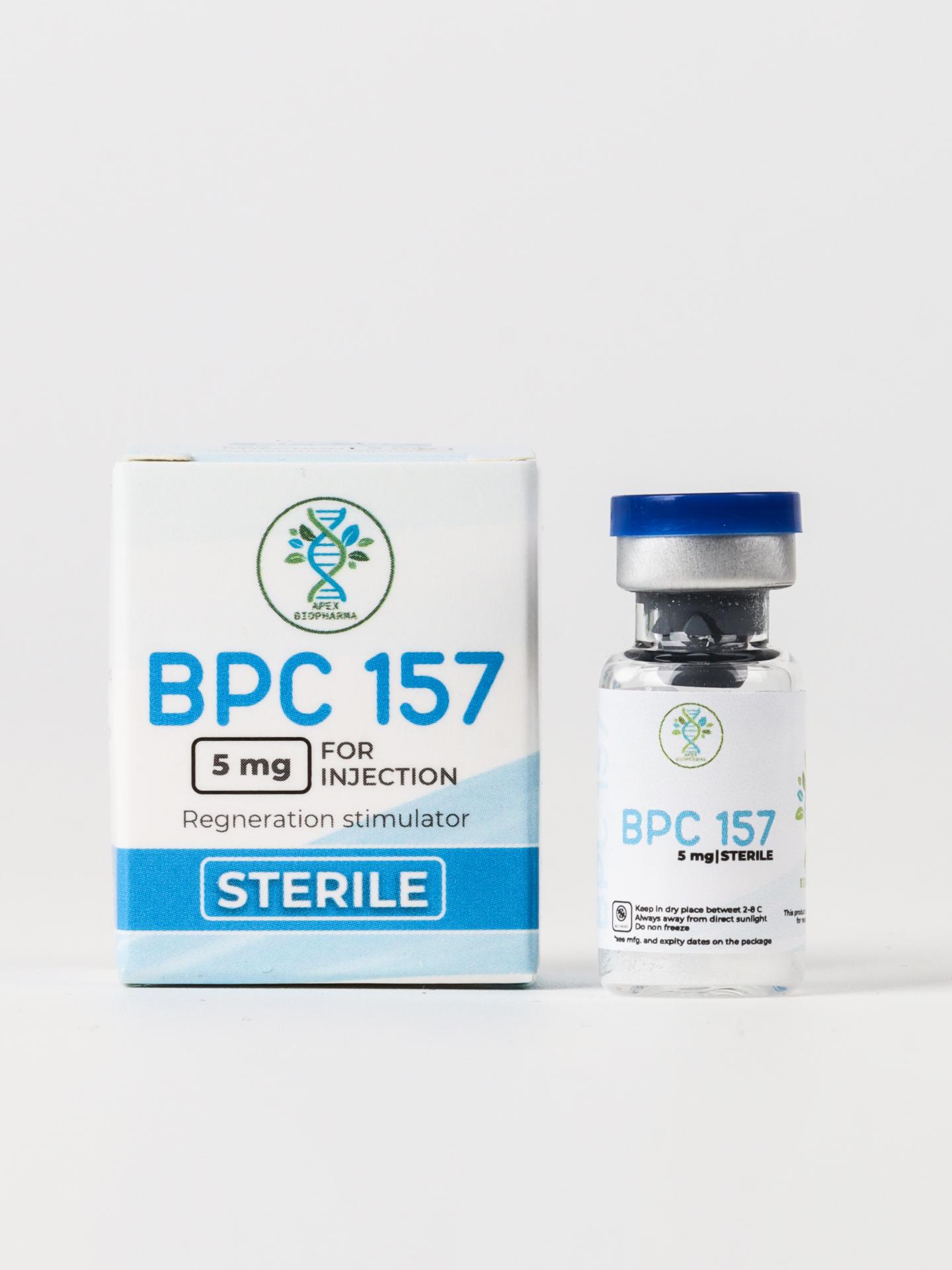
Scientific research continues to explore different compounds that may contribute to tissue repair, cellular activity, and the body's natural recovery processes. Among the experimental compounds receiving attention is a peptide known as BPC-157. It has attracted interest because early laboratory studies suggest that it may influence several biological processes associated with healing and tissue protection.
Although much of the discussion focuses on muscles, tendons, ligaments, and the digestive system, it is important to understand that research is still developing. Most available findings come from animal experiments and laboratory investigations rather than large, well-controlled human clinical trials.
Understanding what scientists are investigating, how this compound is studied, and what limitations remain can help readers distinguish scientific evidence from marketing claims.
What Is BPC-157?
BPC-157 is a synthetic peptide consisting of 15 amino acids. It is associated with research into a protective protein compound found in gastric juice. Its name refers to Body Protection Compound, reflecting the original research interest in protective biological processes.
Researchers have investigated its potential influence on tissue responses, blood vessel formation, inflammatory pathways, and cellular activity. These areas are important because the body relies on coordinated biological mechanisms to maintain tissues and respond to physical damage.
Unlike established medications, this experimental peptide does not have a well-established clinical role in routine medical treatment. Its potential applications remain subjects of scientific investigation, and findings from laboratory studies should not be interpreted as proof of effectiveness in humans.
Why Are Researchers Interested in This Experimental Peptide?
One reason scientists are interested in BPC-157 is its reported activity across several biological pathways. Instead of focusing on a single type of tissue, experimental investigations have examined different systems within the body.
Some preclinical studies suggest possible interactions with mechanisms involved in tissue repair, cellular communication, and vascular development. These observations have encouraged further scientific discussion about whether the compound could eventually contribute to a better understanding of recovery processes.
However, promising laboratory observations are only an early stage of scientific discovery. A compound that produces interesting results in animals may behave differently in humans. Researchers must establish appropriate dosing, safety, effectiveness, and potential long-term effects before any medical application can be considered reliable.
Potential Role in Tissue Repair Research
Tissue repair is a complicated biological process involving inflammation, cellular activity, collagen production, and the development of new blood vessels. Different tissues also recover at different rates depending on their structure, location, and blood supply.
Scientists studying BPC-157 have explored whether it may influence certain mechanisms involved in these processes. Particular attention has been given to experimental models involving muscles, tendons, ligaments, and other connective tissues.
Tendons and ligaments are especially interesting research areas because these structures generally receive less blood supply than many other tissues. Their recovery can therefore be challenging and requires coordinated biological activity.
Some animal studies have reported encouraging observations involving tendon and ligament injury models. Nevertheless, these findings do not establish that the peptide can accelerate recovery or repair injuries in people. More rigorous human research is necessary to determine whether these experimental observations have clinical significance.
Understanding Its Connection to Blood Vessel Formation
Blood vessels deliver oxygen and nutrients that support normal tissue function. The development of new blood vessels, known as angiogenesis, is an important part of several biological processes, including wound healing.
Researchers have investigated possible connections between BPC-157 and pathways involved in vascular development. Some preclinical findings suggest interactions with biological signaling mechanisms associated with blood vessel formation.
This research area is particularly interesting because adequate blood circulation plays an important role in maintaining healthy tissues. However, angiogenesis is a complex process, and its effects depend on the specific tissue and biological circumstances.
Scientists must also investigate whether influencing these pathways could produce unwanted effects. More research is needed before any conclusions about its safety or therapeutic value can be established.
Exploring Digestive System Research
Another area of scientific interest involves the digestive system. The compound's research history is connected to gastric protective mechanisms, which has encouraged investigations into gastrointestinal tissues.
Laboratory and animal studies have examined its possible relationship with stomach and intestinal tissue responses. Researchers are interested in understanding how certain protective pathways may influence the body's response to irritation or injury.
The digestive system contains a complex network of cells, protective barriers, and signaling molecules. Understanding how experimental compounds interact with these components may contribute to future research into gastrointestinal biology.
However, early experimental findings do not establish an effective treatment for ulcers, inflammatory conditions, or other digestive disorders. Human clinical evidence remains insufficient to support such claims.
What Does Current Scientific Evidence Show?
The scientific evidence surrounding BPC 157 includes numerous preclinical investigations and a much smaller number of human studies.
Animal research has produced interesting observations involving tissue repair and biological signaling. However, a systematic review published in 2026 identified only three small human studies involving 30 participants. The researchers rated the overall certainty of evidence as very low because of methodological limitations and the lack of controlled trials.
This distinction is important when evaluating claims about experimental peptides. Scientific findings must be tested through carefully designed clinical trials before researchers can determine whether a compound provides meaningful benefits to people.
For now, BPC 157 remains an interesting subject for further investigation rather than an established recovery treatment.
Safety, Limitations, and Regulatory Considerations
Safety is one of the most important unanswered questions in peptide research. Even when laboratory experiments produce promising results, researchers must investigate possible side effects, interactions, immune responses, and long-term consequences.
The US Food and Drug Administration (FDA) has highlighted concerns involving the potential for immunogenicity, peptide-related impurities, and insufficient safety information for certain proposed routes of administration.
About adoniselitepeptides
adoniselitepeptides is a brand associated with the peptide research and product-information space. As interest in experimental peptides continues to grow, access to clear information about individual compounds, their research backgrounds, and their limitations becomes increasingly important.
Readers exploring products associated with this category should prioritize transparent product information, quality considerations, and responsible research practices. Brand availability or product descriptions should not be interpreted as evidence of regulatory approval, clinical effectiveness, or established safety.
Conclusion
Experimental peptide research continues to create opportunities for scientists to investigate complex biological processes associated with tissue maintenance, cellular activity, and recovery. BPC 157 has attracted attention because early laboratory and animal studies have identified several interesting areas for further investigation.
Nevertheless, promising preclinical findings do not guarantee successful outcomes in humans. Important questions about clinical effectiveness, appropriate dosing, product quality, and long-term safety remain unanswered.
- Managerial Effectiveness!
- Future and Predictions
- Motivatinal / Inspiring
- Fitness and Wellness
- Medical & Health
- Manufacturing
- Education
- Real-Estate
- Food Industry
- Hospitality
- Online Games
- Sports
- Home Services
- Civil Engineering
- Safety and Protection
- Software Products & Services
- Fashion and Jewellery
- Artificial Intelligence
- Entrepreneurship
- Mentoring & Guidance
- Marketing
- Networking
- HR & Recruiting
- Literature
- Shopping
- Career Management & Advancement