

 SkillClick
How Does Tajmeels Clinic Evaluate Ear Shape Before Cosmetic Correction?
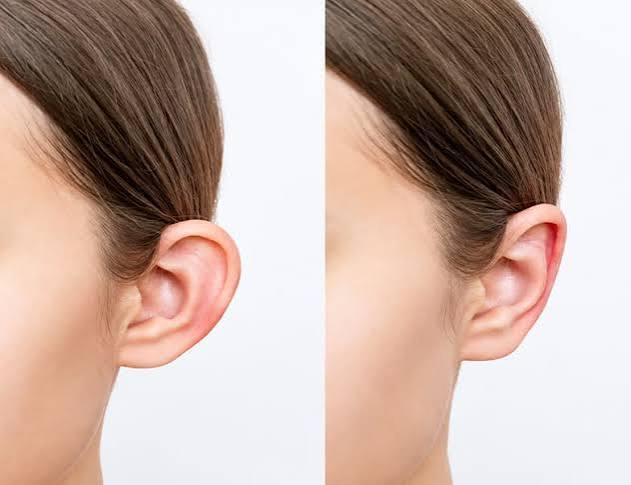
Ear shape plays an important role in overall facial appearance and balance. Although ears may not always be the first facial feature people notice, their size, position, projection, and symmetry can influence how the face looks from different angles. Some individuals naturally have prominent ears, while others may experience uneven ear shapes, large earlobes, or differences in cartilage development.
Before considering cosmetic ear correction, it is important to understand the existing ear structure and identify the concerns that a patient wants to address. A detailed evaluation helps determine whether Ear Reshaping in Dubai, also known as otoplasty, may be appropriate. It also allows the treatment plan to consider individual anatomy rather than following a standard approach.
Examining Ear Size and Proportions
One of the first aspects of an ear assessment is evaluating its overall size and proportions. The specialist considers the height, width, and general shape of each ear in relation to the surrounding facial features.
Some people feel their ears appear larger because they project outward, while others have naturally longer or wider ears. These concerns require different considerations during cosmetic planning.
The assessment may include examining:
-
Overall ear height and width.
-
Distance between the ears and the head.
-
Earlobe size and shape.
-
Position of the ears in relation to the face.
-
Differences between the left and right ears.
Understanding these proportions helps identify which features contribute to the patient's cosmetic concerns.
Assessing Ear Projection and Position
Prominent ears are among the common reasons people explore cosmetic ear correction. This condition occurs when one or both ears extend farther from the head than an individual would prefer.
During an evaluation, the specialist examines how much the ears project outward and whether the appearance is related to cartilage structure, the shape of the ear folds, or the position of the ear.
The angle between the ear and the side of the head may also be considered. This helps establish whether the concern involves excessive projection or another structural feature.
The purpose of this examination is to understand the anatomical reason behind the appearance rather than assuming that every prominent ear requires the same correction.
Evaluating Cartilage Structure and Natural Folds
Cartilage provides the underlying framework that gives the external ear its shape. Its development, flexibility, and natural folds can influence the overall appearance of the ears.
An evaluation may focus on the antihelical fold, which is an important curved structure inside the ear. If this fold is underdeveloped, the ear may appear more prominent.
The conchal bowl, another part of the external ear, may also contribute to outward projection when its shape or depth is a factor.
Understanding these anatomical structures helps the specialist consider which areas may require attention during otoplasty. The assessment also considers the surrounding skin and soft tissue to support appropriate surgical planning.
Checking Ear Symmetry and Facial Balance
Perfectly identical ears are uncommon. Small differences in size, height, projection, and shape are natural. However, noticeable asymmetry may cause some individuals to feel uncomfortable with their appearance.
A cosmetic ear assessment involves comparing both ears from different angles. The specialist may examine their position, upper and lower contours, and relationship with the eyes, nose, and other facial features.
Facial balance is an important consideration because changing one ear without understanding the other may not produce the desired overall appearance.
The aim is to develop a realistic treatment plan that considers natural proportions and individual differences rather than promising complete symmetry.
Understanding the Patient's Cosmetic Concerns
A successful cosmetic consultation involves more than examining physical features. Understanding what the patient wants to improve is equally important.
Some individuals are concerned about ears that stick out, while others may want to address uneven contours, prominent earlobes, or previous changes in ear shape.
During consultation, patients should explain their expectations and discuss the specific features they find concerning.
The specialist may ask about:
-
When the ear shape concern first became noticeable.
-
Whether one or both ears are affected.
-
Any previous ear surgery or injury.
-
Desired changes in ear appearance.
-
Relevant medical history and current medications.
This discussion helps establish whether the patient's expectations are realistic and whether cosmetic correction may be suitable.
Reviewing Medical History and Surgical Suitability
Before recommending otoplasty, a comprehensive review of medical history is essential. Previous procedures, existing health conditions, allergies, medication use, and healing-related concerns may influence surgical planning.
The specialist also evaluates the condition of the ear skin and surrounding tissues. Any signs of infection, inflammation, or other concerns may require attention before considering surgery.
Age can also be relevant because ear development and individual suitability vary. Children and adults may have different considerations when discussing ear correction.
The decision to proceed should be based on an appropriate clinical assessment, not simply on a patient's preferred cosmetic outcome.
Creating an Individualised Ear Correction Plan
Once the examination is complete, the specialist can discuss possible treatment approaches. Otoplasty techniques may involve reshaping cartilage, creating or improving natural folds, or adjusting the position of the ears closer to the head.
The appropriate technique depends on the anatomical findings and the patient's goals.
The consultation should also cover important details such as anaesthesia, expected recovery, possible risks, scarring, and realistic outcomes. Patients should understand that swelling and temporary discomfort can occur after surgery, and final results may take time to become apparent.
An individualised plan helps ensure that decisions are based on medical suitability, natural ear anatomy, and informed patient expectations.
Ear Shape Evaluation at Tajmeels Clinic in Dubai
At tajmeels clinic dubai, ear reshaping consultations focus on understanding each patient's individual ear structure and cosmetic concerns. The evaluation considers ear size, projection, cartilage formation, symmetry, and facial proportions before discussing potential correction options.
The clinic-based assessment also provides an opportunity for patients to explain their expectations, discuss relevant medical history, and understand the available approaches to otoplasty. Treatment recommendations should be based on professional evaluation and individual suitability.
By considering both anatomical characteristics and personal goals, Tajmeels Clinic aims to support informed decisions about ear reshaping in Dubai.
Conclusion
Evaluating ear shape before cosmetic correction is an important step in achieving a suitable and natural-looking outcome. Factors such as cartilage structure, ear projection, facial proportions, symmetry, and personal expectations all contribute to surgical planning.
A detailed consultation helps identify the underlying concerns, assess suitability, and explain realistic treatment possibilities. Anyone considering ear reshaping should seek an individual clinical assessment and understand the potential benefits, limitations, and risks before making a decision.
- Managerial Effectiveness!
- Future and Predictions
- Motivatinal / Inspiring
- Fitness and Wellness
- Medical & Health
- Manufacturing
- Education
- Real-Estate
- Food Industry
- Hospitality
- Online Games
- Sports
- Home Services
- Civil Engineering
- Safety and Protection
- Software Products & Services
- Fashion and Jewellery
- Artificial Intelligence
- Entrepreneurship
- Mentoring & Guidance
- Marketing
- Networking
- HR & Recruiting
- Literature
- Shopping
- Career Management & Advancement