

 SkillClick
The Science Behind Freckles and Blemishes Treatment in Dubai
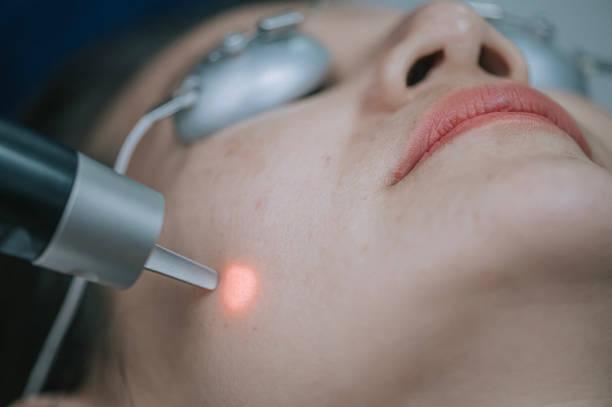
The efficacy of modern dermatological devices rests upon a foundational principle of laser medicine: selective photothermolysis. First established by Harvard dermatologists, this principle dictates that specific wavelengths of light can be tuned to target a specific chromophore—such as melanin—while leaving surrounding water-rich tissue unharmed.
During Freckles and Blemishes Treatment in Dubai, advanced dermatological lasers apply this precise scientific mechanism to clear unwanted surface discoloration safely and predictably.
How Selective Photothermolysis Targets Melanin
Melanin absorbs light across a wide spectrum of wavelengths more aggressively than normal skin cells. When a calibrated laser pulse is directed at a pigmented lesion:
-
Selective Energy Absorption: The dark melanin pigment within the freckle or blemish rapidly absorbs the laser light energy.
-
Photoacoustic or Photothermal Disruption: The absorbed energy instantly converts into heat or high-speed acoustic waves, shattering the dense melanin granules without burning the outer epidermis.
-
Phagocytosis and Clearance: The body's immune cells (macrophages) recognize the shattered pigment fragments as cellular waste, engulfing them and clearing them naturally through the lymphatic system over the following days.
Understanding Laser Wavelengths and Pulse Durations
Different pigment depths require specific laser settings to achieve optimal clearance:
-
Nanosecond vs. Picosecond Pulses: Pico lasers deliver energy in trillionths of a second, creating a powerful photoacoustic shockwave that pulverizes pigment particles into tiny dust-like fragments, reducing thermal side effects.
-
Wavelength Selection: Shorter wavelengths (such as 532 nm) target superficial epidermal freckles and sun spots, while longer wavelengths (such as 1064 nm) penetrate deeper to address stubborn dermal pigmentation safely.
Clinical Efficacy and Safety Parameters
Clinical trials demonstrate high patient satisfaction and predictable clearance rates when proper protocols are followed. Temporary side effects—such as immediate frosting (whitening of the treated spot) or mild erythema—confirm that the laser has successfully engaged the melanin target.
Frequently Asked Questions
Does laser pigmentation treatment destroy surrounding skin cells?
No. Because of selective photothermolysis, energy is absorbed exclusively by melanin-rich cells, sparing healthy surrounding tissue.
Why do treated spots temporarily darken before fading?
Following laser absorption, shattered melanin rises to the skin's surface as microscopic micro-crusts, appearing darker before sloughing off naturally within a week.
Are laser settings adjusted for different skin phototypes?
Yes. Dermatologists modify wavelengths, fluence, and pulse durations to accommodate darker skin tones safely and prevent post-inflammatory hyperpigmentation.
Evidence-Based Dermatology at Tajmeels Clinic
Understanding the clinical science behind pigmentation clearance ensures treatments are both safe and effective. At Tajmeels Clinic in Dubai, our dermatological procedures are grounded in proven medical science to deliver clear, balanced skin.
- Managerial Effectiveness!
- Future and Predictions
- Motivatinal / Inspiring
- Fitness and Wellness
- Medical & Health
- Manufacturing
- Education
- Real-Estate
- Food Industry
- Hospitality
- Online Games
- Sports
- Home Services
- Civil Engineering
- Safety and Protection
- Software Products & Services
- Fashion and Jewellery
- Artificial Intelligence
- Entrepreneurship
- Mentoring & Guidance
- Marketing
- Networking
- HR & Recruiting
- Literature
- Shopping
- Career Management & Advancement