

 SkillClick
How Does Tajmeels Clinic Assess Skin Concerns Before HydraFacial Treatment?
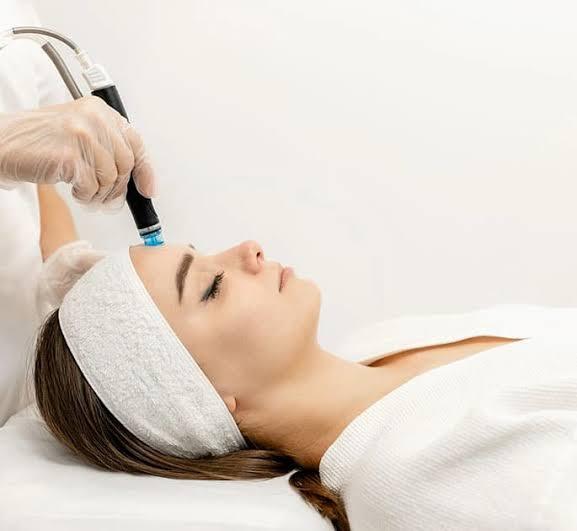
Healthy-looking skin starts with understanding its individual needs. Although HydraFacial is a popular non-invasive skincare treatment, every person has different skin characteristics and concerns. Some individuals experience dryness and dehydration, while others struggle with enlarged pores, uneven skin texture, excess oil, or dullness.
A skin assessment before HydraFacial Treatment in Dubai helps identify these concerns and determine which treatment approach may be suitable. Rather than following the same procedure for everyone, professional evaluation allows skincare providers to consider individual requirements.
In Dubai, environmental factors such as heat, humidity, sun exposure, and air conditioning can also influence skin condition. Understanding these factors can help create a more appropriate skincare plan.
Evaluating Individual Skin Types and Conditions
The first step in a HydraFacial assessment is understanding the patient's skin type. Skin can generally be classified as oily, dry, combination, normal, or sensitive. However, skin type alone does not explain every concern.
For example, someone with oily skin may still experience dehydration, while a person with dry skin may have clogged pores or uneven texture.
During an assessment, skincare professionals may consider:
-
Oil production: Identifying areas with excessive oil or shine.
-
Skin hydration: Checking whether the skin appears dry or dehydrated.
-
Sensitivity: Understanding how the skin responds to skincare products and treatments.
-
Texture: Evaluating roughness, visible pores, and uneven skin surfaces.
-
Complexion: Observing dullness and uneven-looking skin tone.
These observations help determine whether HydraFacial may address the patient's concerns and whether any additional precautions are necessary.
Identifying Specific Skin Concerns
Different skin concerns require different considerations when planning a facial treatment. A detailed evaluation helps identify the primary issues a patient wants to improve.
1. Dehydrated Skin
Dehydrated skin may appear dull, feel tight, or show temporary fine lines. It can affect people with different skin types, including oily skin. The assessment helps determine whether hydration-focused skincare may be beneficial.
2. Enlarged and Congested Pores
Excess oil, dead skin cells, and accumulated impurities can contribute to clogged pores. A skincare professional may examine areas around the nose, forehead, and chin to understand the level of congestion.
3. Uneven Skin Texture
Roughness and irregular skin texture can develop due to dead skin cell accumulation, environmental exposure, and other skin-related factors. Evaluating these areas helps determine whether gentle exfoliation is appropriate.
4. Dull-Looking Skin
Environmental stress, inconsistent skincare routines, and dehydration can contribute to a tired-looking complexion. Identifying these factors helps establish realistic treatment expectations.
Reviewing Skincare Routines and Lifestyle Factors
A professional skin assessment should consider more than visible skin concerns. Daily habits and existing skincare routines can influence how the skin responds to HydraFacial.
Patients may be asked about their current cleansers, moisturisers, exfoliating products, and active skincare ingredients. Previous cosmetic procedures, allergies, skin sensitivities, and recent treatments may also be relevant.
Lifestyle factors such as sun exposure, sleep habits, hydration, and environmental conditions can provide additional information.
For individuals living in Dubai, frequent exposure to sunlight and air-conditioned environments may contribute to dryness or changes in skin condition. Understanding these factors allows skincare professionals to consider suitable treatment precautions and aftercare recommendations.
Determining Whether HydraFacial Is Suitable
HydraFacial generally combines cleansing, exfoliation, extraction, and hydration-focused skincare steps. However, it may not be appropriate for every skin condition or situation.
During the evaluation, professionals consider whether the patient's skin can tolerate the planned treatment. Active irritation, open wounds, certain infections, severe inflammatory acne, or recent skin procedures may require postponement or medical assessment.
Patients should also disclose any known allergies or previous reactions to skincare ingredients.
The purpose of this step is to prioritise skin safety rather than simply proceeding with a treatment. If HydraFacial is not appropriate at the time of consultation, an alternative skincare approach may be recommended.
Creating a Personalised HydraFacial Treatment Plan
After evaluating the skin, the next step is developing a treatment plan based on individual concerns and expectations.
For example, someone experiencing dehydration may benefit from a hydration-focused approach, while a person concerned about clogged pores may require greater attention to cleansing and extraction.
A personalised plan may consider:
-
Current skin condition and sensitivity.
-
Main concerns and desired improvements.
-
Suitable treatment steps and skincare ingredients.
-
Previous reactions to facial treatments.
-
Appropriate treatment frequency.
-
Post-treatment skincare and sun protection.
It is also important to understand that HydraFacial results vary between individuals. The treatment may improve temporary dryness, congestion, and dullness, but it cannot permanently eliminate pores, reverse all signs of ageing, or treat every underlying skin condition.
How Tajmeels Clinic Approaches Skin Assessment Before HydraFacial
At tajmeels clinic dubai, the approach to HydraFacial treatment in Dubai begins with understanding the patient's individual skin concerns and expectations. The assessment considers factors such as skin type, hydration levels, visible congestion, texture, sensitivity, and existing skincare habits.
This evaluation helps determine whether HydraFacial is a suitable option and which treatment considerations may be relevant. The clinic-based approach focuses on individual skin requirements rather than applying an identical treatment plan to every patient.
Patients can also discuss their skincare goals, previous facial treatments, and any concerns they may have before proceeding. Clear communication about expected improvements, treatment limitations, and aftercare helps patients make informed decisions about their skincare journey.
What Should Patients Do After a HydraFacial Assessment?
Following the assessment, patients should understand the recommended treatment approach and any necessary precautions. If HydraFacial is considered suitable, following professional aftercare guidance can help maintain skin comfort and support the treatment outcome.
General recommendations may include:
-
Using a gentle cleanser.
-
Applying a suitable moisturiser.
-
Wearing broad-spectrum sunscreen.
-
Avoiding excessive sun exposure.
-
Following professional advice about exfoliating products.
-
Avoiding harsh skincare ingredients for the period recommended by the provider.
Patients should also communicate any unusual irritation or unexpected skin reactions following treatment.
Conclusion
A proper skin assessment is an important part of planning HydraFacial treatment. Evaluating skin type, hydration, texture, sensitivity, and individual concerns helps determine whether the treatment is appropriate and how it should be approached.
With a personalised evaluation at Tajmeels Clinic, patients in Dubai can better understand their skin requirements, treatment suitability, and realistic expectations before beginning their HydraFacial experience.
- Managerial Effectiveness!
- Future and Predictions
- Motivatinal / Inspiring
- Fitness and Wellness
- Medical & Health
- Manufacturing
- Education
- Real-Estate
- Food Industry
- Hospitality
- Online Games
- Sports
- Home Services
- Civil Engineering
- Safety and Protection
- Software Products & Services
- Fashion and Jewellery
- Artificial Intelligence
- Entrepreneurship
- Mentoring & Guidance
- Marketing
- Networking
- HR & Recruiting
- Literature
- Shopping
- Career Management & Advancement