

 SkillClick
Laser Scar Removal in Dubai: Treatments and Results
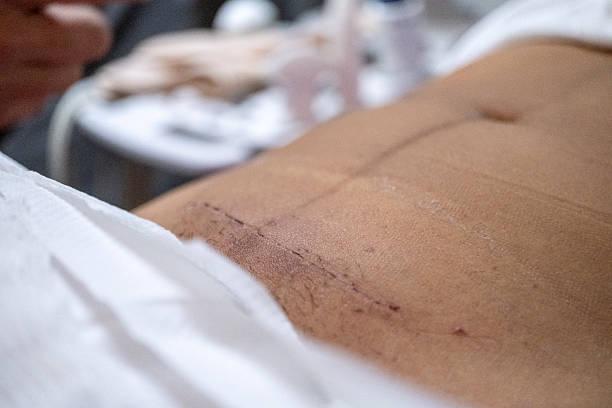
Scars can remain visible long after an injury, surgery, burn, or acne breakout has healed. Their appearance may affect skin texture, colour, confidence, and sometimes physical comfort. Modern dermatology offers several approaches to improving scar appearance, including treatments that use focused light energy. For people exploring Laser Scar Removal in Dubai, understanding scar types, available laser technologies, and realistic treatment outcomes is an important first step.
Understanding How Scars Develop
A scar forms as part of the skin's natural healing process. When the deeper layers of skin are damaged, the body produces collagen and other repair materials to close the affected area. The resulting tissue may look or feel different from the surrounding skin.
The appearance of a scar depends on several factors:
-
The depth and severity of the original injury
-
The location of the scar
-
Individual healing characteristics
-
Skin type and pigmentation
-
Genetic tendency to develop raised scars
-
Infection or delayed wound healing
Some scars gradually become less noticeable, while others remain raised, depressed, discoloured, or uncomfortable.
Different Types of Scars That May Be Treated
Identifying the type of scar is essential because different scars respond to different treatments. A dermatologist should examine the affected area before recommending laser therapy.
Atrophic scars
Atrophic scars appear sunken or indented because of a loss of supporting tissue. They are commonly associated with acne and may create uneven skin texture.
Common examples include:
-
Ice-pick scars: narrow, deep indentations
-
Boxcar scars: wider depressions with more defined edges
-
Rolling scars: shallow depressions that create an uneven surface
Some atrophic scars may respond to fractional laser resurfacing, although deep or tethered scars can require a combination of treatments.
Hypertrophic scars
Hypertrophic scars are raised because excess collagen develops during healing. They generally remain within the boundaries of the original wound.
Their appearance may include redness, firmness, itching, or tenderness. Depending on the scar, treatment may involve laser therapy, silicone products, injections, or a combination of approaches.
Keloid scars
Keloids extend beyond the original injury and may continue growing over time. They can develop after acne, piercings, surgery, burns, or minor skin injuries.
Keloids require particular care because they can return after treatment. Laser therapy may form part of a broader treatment plan, but it is not necessarily suitable as a standalone solution.
Post-inflammatory discolouration
Some marks left after acne, inflammation, or injury are changes in pigmentation rather than true scars. These marks may appear darker or redder than the surrounding skin.
A dermatologist should distinguish pigmentation from structural scarring because the treatment approach can be different.
How Laser Scar Removal in Dubai Works
Laser scar treatment uses focused light energy to target specific features of scar tissue. Depending on the technology, the aim may be to improve surface texture, reduce redness, address pigmentation, or encourage remodelling within the skin.
The laser does not simply erase the original scar. Instead, treatment may make it less noticeable by improving selected characteristics.
Fractional CO2 laser resurfacing
Fractional CO2 technology creates controlled microscopic treatment zones in the skin. The surrounding untreated tissue supports the healing process.
It may be considered for selected depressed scars, including certain types of acne scarring. The treatment can improve texture over a series of sessions, but it may involve redness, swelling, peeling, and a longer recovery period than some non-ablative options.
Non-ablative fractional lasers
Non-ablative fractional systems deliver energy into deeper skin layers while leaving much of the surface intact.
They may be considered when the treatment goal involves improving texture with a different recovery profile from ablative resurfacing. Multiple sessions may be recommended, depending on the scar and device.
Pulsed dye laser
Pulsed dye laser technology targets blood vessels and may be used for selected red, vascular, or raised scars.
The aim is often to reduce redness and improve certain scar characteristics, rather than resurface the skin. Suitability depends on the scar's appearance and clinical assessment.
Other laser technologies
Other systems may be considered for particular pigmentary or textural concerns. The choice should depend on the scar's characteristics, the patient's skin type, and the treatment goal—not simply on which device is available.
Choosing the Right Laser for Your Scar Type
There is no single laser that works equally well for every scar. A treatment plan should match the technology to the specific concern.
| Scar concern | Possible treatment approach | Main treatment goal |
|---|---|---|
| Depressed acne scars | Fractional resurfacing | Improve uneven texture |
| Red or vascular scars | Pulsed dye laser in selected cases | Reduce visible redness |
| Raised scars | Laser as part of a combined plan | Improve selected scar features |
| Pigmented marks | Appropriate pigment-focused treatment | Address uneven colour |
| Deep or tethered scars | Combination treatment or specialist procedures | Address structural irregularities |
The table describes possible clinical approaches, not guaranteed outcomes. A dermatologist must assess whether a particular option is appropriate.
Who May Be Suitable for Laser Scar Treatment?
A person with a visible scar who wants to improve its appearance may be considered for treatment after a medical assessment.
Potential candidates may include people with:
-
Depressed acne scars
-
Selected surgical scars
-
Certain traumatic scars
-
Red or visibly vascular scars
-
Uneven skin texture following healed injuries
-
Some raised scars that need a combined treatment approach
The age, depth, colour, location, and stability of the scar all matter. Active acne, infection, inflammation, or an unhealed wound may need attention before scar treatment is considered.
Skin tone and pigmentation considerations
Skin tone is an important part of laser planning. Some laser procedures carry a higher risk of post-inflammatory hyperpigmentation, particularly in darker skin types.
A dermatologist should consider the patient's natural pigmentation, history of dark marks after inflammation, and response to previous treatments. In selected cases, a test spot or a more conservative treatment approach may be appropriate.
What Happens During a Laser Scar Removal Consultation?
A consultation helps determine whether laser treatment is suitable and which approach may offer a reasonable improvement.
The assessment may include:
Medical history: The clinician reviews previous skin conditions, medications, allergies, healing problems, and earlier scar treatments.
Scar examination: The scar is assessed for depth, colour, thickness, texture, location, and any associated symptoms.
Skin assessment: Skin tone and pigmentation history help guide device selection and treatment settings.
Treatment discussion: The clinician explains suitable options, possible alternatives, expected recovery, and potential complications.
Treatment planning: If laser therapy is appropriate, the proposed session schedule and aftercare requirements are discussed.
What to Expect During the Treatment Session
The exact experience depends on the device and treatment area. Some laser procedures may involve topical numbing, while others may use different comfort measures.
A typical appointment may involve:
-
Reviewing the treatment plan and confirming consent.
-
Cleansing the treatment area.
-
Applying an appropriate comfort measure when needed.
-
Delivering laser energy to the selected scar.
-
Providing immediate aftercare instructions.
Patients may experience warmth, tingling, or temporary discomfort. The clinician should explain what sensations are expected with the specific technology and how unexpected discomfort will be managed.
Recovery and Aftercare Following Laser Treatment
Recovery varies according to whether the laser is ablative or non-ablative, the intensity of treatment, and individual healing characteristics.
Some patients experience temporary redness, swelling, sensitivity, or dryness. Ablative treatments may also involve peeling, small crusts, and a longer period of visible healing.
Essential aftercare practices
After treatment, patients should follow the clinician's instructions. General care may include:
-
Keeping the treated area clean as directed
-
Using only recommended skincare products
-
Avoiding picking, scratching, or removing peeling skin
-
Applying suitable moisturising products when advised
-
Protecting the area from direct sunlight
-
Using broad-spectrum sunscreen once appropriate for the healing stage
-
Avoiding irritating active ingredients until cleared by the clinician
Patients should contact their provider if they develop worsening pain, increasing swelling, blistering, signs of infection, or unexpected changes in skin colour.
How Many Laser Sessions Are Needed?
The number of sessions depends on the scar type, treatment technology, depth, and desired degree of improvement.
Some scars may show a visible response after one treatment, while others require a planned series of sessions. Fractional and non-ablative approaches often involve multiple appointments because improvement develops gradually.
The interval between treatments should allow sufficient recovery and should be determined by the treating clinician.
Patients should also understand that scar remodelling takes time. Changes may continue for several months, so immediate appearance is not always a reliable measure of the final result.
Benefits and Limitations of Laser Scar Treatment
Laser therapy may offer several advantages when appropriately selected:
-
Improvement in selected scar textures
-
Reduction in redness for certain vascular scars
-
Less noticeable depressed acne scars
-
Improvement in some raised scar characteristics
-
Treatment tailored to individual scar features
-
Potential improvement in symptoms such as itching or discomfort for selected scars
However, laser treatment has limitations. It cannot guarantee complete scar removal, and some scars respond better to combined approaches.
The skin may remain visibly different from the surrounding area even after successful treatment. Patients should discuss realistic improvement rather than expecting perfectly scar-free skin.
Possible Risks and Side Effects
Laser scar treatment is a medical procedure and can cause side effects. The risk profile depends on the device, treatment settings, skin type, and practitioner's experience.
Possible effects include:
-
Redness and swelling
-
Temporary sensitivity or discomfort
-
Blistering or crusting
-
Infection
-
Changes in skin pigmentation
-
Burns or additional scarring
-
Reactivation of cold sores in susceptible patients
Patients with a history of abnormal scarring, pigmentation changes, or cold sores should mention this during consultation. The clinician can assess whether preventive measures or an alternative treatment approach is needed.
Laser Scar Removal in Dubai Compared With Other Treatments
Laser therapy is one part of scar management. Other treatments may be more appropriate depending on whether the scar is raised, depressed, discoloured, or associated with symptoms.
| Treatment | Common purpose |
|---|---|
| Silicone gel or sheets | Selected raised scars and scar prevention |
| Corticosteroid injections | Reducing the thickness and symptoms of some raised scars |
| Microneedling | Improving selected depressed scars and texture |
| Subcision | Releasing certain tethered depressed scars |
| Chemical peels | Addressing selected surface pigmentation and texture concerns |
| Scar revision surgery | Reshaping or reducing selected scars |
| Laser therapy | Addressing selected texture, redness, and scar features |
A combination of treatments may be more suitable than relying on one procedure. The dermatologist should explain why a particular approach is recommended.
Clinic Note
Scar treatment should begin with an accurate diagnosis. A raised keloid, a depressed acne scar, and a dark post-inflammatory mark are different concerns. A personalised assessment helps determine whether laser therapy, another treatment, or a combination approach is appropriate. Laser treatment can improve the appearance of selected scars, but it does not guarantee complete removal.
Frequently Asked Questions
Can laser treatment completely remove scars?
No. Laser treatment can make some scars less noticeable by improving colour, texture, or thickness, but it cannot guarantee that a scar will disappear completely.
Is laser scar removal suitable for acne scars?
It may be suitable for selected acne scars, particularly certain depressed scars. The best approach depends on scar depth, type, skin tone, and whether active acne is present.
Can raised scars be treated with lasers?
Some raised scars may benefit from laser treatment, often as part of a combined plan. Keloids and hypertrophic scars require careful assessment because they may need additional therapies.
Is laser scar treatment painful?
The experience varies by technology and treatment intensity. Some procedures involve warmth or discomfort, and suitable numbing or other comfort measures may be discussed.
How long does it take to see results?
Improvement is generally gradual. Some changes may become noticeable after initial healing, while further remodelling can continue over several months.
Can laser treatment cause dark spots?
Yes. Temporary or persistent pigmentation changes are possible, particularly in people with a higher tendency toward post-inflammatory hyperpigmentation. Skin tone and treatment settings should be considered carefully.
Can old scars be treated?
Some mature scars can be treated, although their response depends on their type, depth, and characteristics. A dermatologist can assess whether laser treatment or another approach is more suitable.
Is one session enough for scar improvement?
Not always. Some scars require several sessions or a combination of treatments. The treatment plan should be based on clinical assessment rather than a fixed number of appointments.
Explore Personalised Scar Treatment at Tajmeels Clinic
Every scar has its own characteristics, and treatment should reflect the skin's condition, the scar's structure, and the patient's goals. If you are considering Laser Scar Removal in Dubai, Tajmeels Clinic can be approached for a consultation to discuss your concerns and available treatment options. A personalised assessment can help establish realistic expectations, explain potential risks, and identify an approach suited to your skin.
- Managerial Effectiveness!
- Future and Predictions
- Motivatinal / Inspiring
- Fitness and Wellness
- Medical & Health
- Manufacturing
- Education
- Real-Estate
- Food Industry
- Hospitality
- Online Games
- Sports
- Home Services
- Civil Engineering
- Safety and Protection
- Software Products & Services
- Fashion and Jewellery
- Artificial Intelligence
- Entrepreneurship
- Mentoring & Guidance
- Marketing
- Networking
- HR & Recruiting
- Literature
- Shopping
- Career Management & Advancement